Roof Box Loading Techniques: Maximize Space, Safety, and Efficiency
Planning a road trip, camping adventure, or ski vacation? A roof box is your trusty companion for hauling extra gear, freeing up precious space inside your vehicle. But simply throwing your belongings into the box won’t cut it. Proper loading is crucial for safety, fuel efficiency, and preventing damage to your gear and vehicle. This guide dives deep into the art and science of roof box loading, ensuring a smooth and stress-free journey. A study found that improperly loaded roof boxes can increase fuel consumption by up to 25% and compromise vehicle handling. This guide can help you avoid those pitfalls.
Understanding Roof Boxes
What is a Roof Box and How Does it Work?
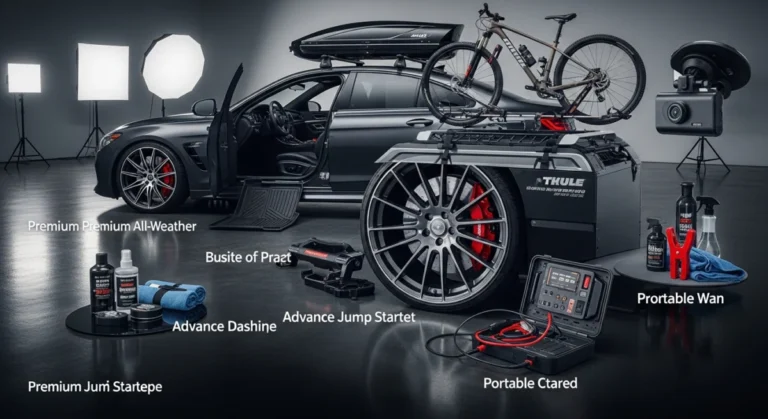
A roof box, also known as a cargo box or roof carrier, is an enclosed container designed to be mounted on the roof of a vehicle using a roof rack system. It provides weatherproof storage for a variety of items, including luggage, sporting equipment, camping gear, and more. It works by providing a secure, aerodynamic, and lockable space above your car, truck, or SUV. Roof boxes typically feature a hinged lid that opens to allow loading and unloading. They are secured to the roof rack using clamps or mounting hardware. The design aims to minimize wind resistance and noise while maximizing storage capacity.
Benefits and Key Features
Roof boxes offer a plethora of advantages:
- Increased Cargo Capacity: Significantly expands your vehicle’s storage space, allowing you to bring more gear.
- Weather Protection: Keeps your belongings dry and protected from rain, snow, dust, and sun.
- Security: Many roof boxes feature locking mechanisms to deter theft.
- Organization: Helps keep your vehicle interior clutter-free and organized.
- Aerodynamics: Designed to minimize wind resistance and noise, although some impact is unavoidable.
- Versatility: Suitable for a wide range of activities, from family road trips to outdoor adventures.
- Space Saving Storage: Frees up interior space to improve comfort in the vehicle.
Key features to look for include:
- Size and Capacity: Measured in liters or cubic feet, choose a size that meets your specific needs.
- Material: ABS plastic is common, offering a balance of durability and affordability. Premium boxes may use more robust materials or reinforced construction.
- Mounting System: Consider the ease of installation and compatibility with your roof rack. “Quick-mount” systems are especially convenient.
- Opening Mechanism: Dual-side opening allows access from either side of the vehicle, adding convenience.
- Locking System: Ensure a secure and reliable locking mechanism to protect your valuables.
- Aerodynamic Design: Look for features like a tapered front and streamlined shape to reduce wind resistance and noise.
- Weight Capacity: Be aware of the maximum weight the box can safely carry, and adhere to the manufacturer’s guidelines.
Installation Tips
Installing a roof box correctly is essential for safety and stability:
1. Read the Instructions: Carefully review the manufacturer’s instructions before starting. 2. Check Roof Rack Compatibility: Ensure your roof rack is compatible with your vehicle and the roof box. Check the maximum weight capacity of both. 3. Positioning: Center the roof box on your roof rack, ensuring it’s evenly spaced and securely attached. Adjust position to minimize hatch/trunk interference 4. Tighten Hardware: Use the appropriate tools to tighten all mounting hardware securely. Don’t overtighten, as this can damage the roof rack or box. 5. Double-Check: Once installed, double-check all connections to ensure they are secure. 6. Test Drive: Take a short test drive to check for any unusual noise or movement.
Maintenance and Care
Proper maintenance will extend the life of your roof box:
- Cleaning: Regularly clean the roof box with mild soap and water to remove dirt, grime, and insect debris.
- UV Protection: Apply a UV protectant spray to prevent fading and cracking from sun exposure.
- Hardware Inspection: Periodically inspect the mounting hardware for rust or damage. Replace any worn or damaged parts.
- Lock Maintenance: Lubricate the locking mechanism with a silicone-based lubricant to ensure smooth operation.
- Storage: Store the roof box in a dry, covered area when not in use. This will protect it from the elements and prevent damage.
- Weight Awareness: Always be mindful of the total weight you’re loading into the box and onto the roof rack, staying within the specified limits.
Top Buying Factors
Choosing the right roof box involves considering several factors:
- Size and Capacity: Choose a size that meets your typical needs. Consider the length of skis, snowboards, or other equipment you plan to transport.
- Budget: Roof boxes range in price from affordable to premium. Set a budget and look for the best value within that range.
- Vehicle Compatibility: Ensure the roof box is compatible with your vehicle and roof rack.
- Features: Consider features like dual-side opening, quick-mount systems, and aerodynamic design.
- Durability: Look for a roof box made from durable materials that can withstand the elements.
- Reviews: Read online reviews from other users to get an idea of the roof box’s performance and reliability.
- Brand Reputation: Opt for a reputable brand with a proven track record. Thule and Yakima are top-tier options.
- Installation Ease: Select a box that you can easily install and remove on your own.
Essential Roof Box Loading Techniques
Now, let’s dive into the core of this guide: how to load your roof box effectively.
1. Weight Distribution: The golden rule is to distribute weight evenly throughout the box. Place heavier items in the center, over the roof rack crossbars. This minimizes stress on the roof and improves stability. Never overload one side. Aim for roughly equal weight distribution on both sides. 2. Secure Loose Items: Use straps, bungee cords, or cargo nets to secure loose items and prevent them from shifting during transit. This is particularly important for items that could potentially damage the box or other gear if they were to move around. 3. Utilize Soft-Sided Items: Pack soft-sided items like sleeping bags, clothing, and pillows around rigid items to cushion them and fill empty spaces. This helps prevent items from shifting and reduces noise. 4. Protect Fragile Items: Wrap fragile items in blankets, towels, or bubble wrap to protect them from damage. Consider placing them in a padded container or bag. 5. Maximize Space: Utilize every inch of space in the roof box. Roll clothing instead of folding it to save space. Use packing cubes to organize smaller items. 6. Consider Aerodynamics: While the roof box is designed to be aerodynamic, you can further improve fuel efficiency by arranging items to minimize wind resistance. Keep the front of the box as streamlined as possible. Try to fill any large gaps that might increase drag. 7. Loading Order: Think about what items you’ll need access to during your trip and load them last for easy access. Things you’ll need immediately should be at the top. Things you won’t need until you arrive should be loaded first. 8. Avoid Overpacking: Do not overpack the roof box. Leave some space at the top to allow for expansion and contraction due to temperature changes. Overpacking can put stress on the box and potentially damage it. Additionally, it could impair the locking mechanism. 9. Check Clearance: Before driving, double-check the height of your vehicle with the roof box installed. Be aware of low bridges, parking garages, and other overhead obstructions. 10. Consider the Weather: If expecting rain, place items that are sensitive to moisture in waterproof bags before loading them into the roof box.
FAQ
- Q: How much weight can my roof box hold?
A: Check the manufacturer’s specifications for the maximum weight capacity of both the roof box and your roof rack. Never exceed these limits.
- Q: Can I leave my roof box on year-round?
A: While you can, it’s generally recommended to remove it when not in use to improve fuel efficiency and prevent wear and tear.
- Q: Will a roof box affect my gas mileage?
A: Yes, a roof box will typically reduce gas mileage due to increased wind resistance. However, proper loading and driving habits can help minimize the impact.
- Q: How do I prevent my roof box from leaking?
A: Ensure the lid is properly closed and locked. Inspect the seals around the lid for any damage and replace them if necessary. Storing your items in waterproof bags also adds an extra layer of protection.
- Q: Can I use any type of roof rack with a roof box?
A: No, you need a roof rack that is compatible with your vehicle and the roof box. Check the manufacturer’s specifications for compatibility information.
Conclusion
Mastering roof box loading techniques is essential for a safe, efficient, and enjoyable journey. By following these guidelines, you can maximize space, protect your gear, and minimize the impact on your vehicle’s performance. Remember to prioritize safety, distribute weight evenly, secure loose items, and maintain your roof box regularly. With a little planning and attention to detail, your roof box will become an indispensable asset for all your adventures.