Roof Box Locking Mechanisms: A Comprehensive Guide
Have you ever driven down the highway, nervously glancing at the roof of your car, wondering if your cargo is still safe and secure in your roof box? You’re not alone. Millions of road trips are undertaken each year with roof boxes strapped on top, carrying everything from skis and snowboards to camping gear and luggage. According to recent surveys, a significant percentage of roof box owners worry about the security of their belongings. The key to peace of mind lies in understanding and properly utilizing the locking mechanism of your roof box. This guide dives deep into the world of roof box locks, providing you with the knowledge to choose, maintain, and confidently rely on them.
Understanding Roof Box Locking Mechanisms
What is a Roof Box Locking Mechanism / How it Works
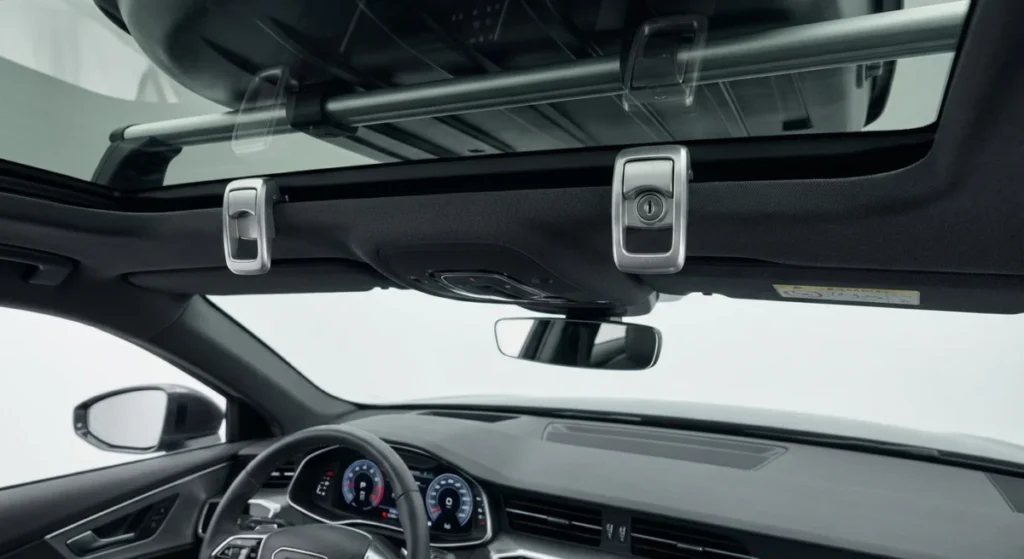
A roof box locking mechanism is a system designed to secure the lid of a roof box to the base, preventing unauthorized access to its contents and ensuring it remains closed during transit. These mechanisms typically consist of several key components working in unison:
- Lock Cylinder (or Core): This is the heart of the system, accepting a key and controlling the unlocking process.
- Locking Points (or Latches): These are strategically positioned around the perimeter of the box lid and engage with corresponding points on the base. The more locking points, the more secure the box.
- Locking Bars (or Rods): These connect the lock cylinder to the locking points. When the key is turned, the bars move to engage or disengage the latches.
- Key: The key is uniquely cut to match the lock cylinder, allowing only authorized users to open the box.
- Central Locking System (Common Feature): Many modern roof boxes feature a central locking system. This means that when the key is turned in the lock, all locking points engage or disengage simultaneously. This provides added security and convenience.
The operational principle is relatively straightforward. When the box is closed, the lid rests against the base, and the locking points are aligned. Inserting and turning the key activates the locking mechanism. The bars move, causing the locking points to engage with the corresponding points on the base, effectively securing the lid. When the key is turned in the opposite direction, the bars retract, releasing the locking points and allowing the lid to be opened. Simpler, older models may only have one central locking point, where newer versions often have 2-6.
Benefits and Key Features
The benefits of a robust roof box locking mechanism are numerous:
- Theft Deterrence: A secure lock is a significant deterrent to thieves, protecting your valuable belongings.
- Cargo Security: Ensures your cargo remains safely inside the box during transit, even in windy conditions or during sudden braking.
- Peace of Mind: Knowing your belongings are secure provides peace of mind while traveling.
- Weather Protection: A properly sealed and locked roof box helps keep your cargo protected from rain, snow, and dust.
- Ease of Use: Modern locking mechanisms are designed to be user-friendly, allowing for quick and easy opening and closing.
Key features to look for include:
- Central Locking System: Ensures all locking points engage simultaneously for maximum security and convenience.
- Multiple Locking Points: The more locking points, the harder it is for someone to force the box open.
- Durable Construction: The locking mechanism should be made from high-quality materials that can withstand wear and tear, as well as attempts at forced entry.
- Keyed-Alike Systems: Some manufacturers offer keyed-alike systems, allowing you to use the same key for multiple roof boxes or other accessories.
- Lock Indicator: Some premium boxes have indicators showing if all locks are properly engaged.
- UV Resistant Materials: The lock housing and components should be resistant to UV degradation to ensure long-term durability.
Installation Tips (If Applicable – more relevant to lock replacements)
While most roof boxes come with the locking mechanism pre-installed, you might need to replace it at some point. Here are some general tips:
- Read the Manual: Always consult the roof box manufacturer’s manual for specific instructions on removing and installing the locking mechanism.
- Gather Tools: Have the necessary tools on hand, such as screwdrivers, pliers, and potentially a socket set.
- Disassemble Carefully: When removing the old locking mechanism, pay close attention to how the components are assembled. Take pictures if necessary.
- Clean the Area: Before installing the new mechanism, clean the area around the lock cylinder and locking points.
- Lubricate Moving Parts: Apply a small amount of lubricant to the moving parts of the new locking mechanism.
- Test the Lock: After installation, test the lock to ensure it functions smoothly and that all locking points engage properly.
- Professional Assistance: If you’re uncomfortable performing the installation yourself, seek professional assistance from a qualified technician.
- OEM Parts: Whenever possible, use original equipment manufacturer (OEM) replacement parts to ensure proper fit and function.
Maintenance and Care
Proper maintenance and care are essential to keep your roof box locking mechanism functioning smoothly:
- Regular Cleaning: Clean the lock cylinder and locking points regularly to remove dirt, dust, and debris.
- Lubrication: Lubricate the lock cylinder and locking points with a silicone-based lubricant. Avoid using oil-based lubricants, as they can attract dirt and grime.
- Key Care: Keep your key clean and dry. Avoid bending or damaging it.
- Winter Precautions: In cold climates, prevent the lock from freezing by applying a de-icer or lubricant specifically designed for locks.
- Check for Damage: Regularly inspect the locking mechanism for signs of damage, such as cracks, bends, or corrosion.
- Tighten Fasteners: Check and tighten any screws or bolts that secure the locking mechanism to the roof box.
- Avoid Overloading: Overloading the roof box can put excessive strain on the locking mechanism.
Top Buying Factors
When purchasing a roof box, consider the following factors related to the locking mechanism:
- Number of Locking Points: Opt for a box with multiple locking points for enhanced security.
- Central Locking System: A central locking system is a must-have for convenience and added security.
- Lock Cylinder Quality: Choose a box with a high-quality lock cylinder that is resistant to picking and drilling.
- Material Construction: The locking mechanism should be made from durable materials such as stainless steel or hardened plastic.
- Brand Reputation: Choose a roof box from a reputable brand known for quality and reliability.
- Warranty: Check the warranty offered by the manufacturer. A longer warranty typically indicates a higher level of confidence in the product.
- Customer Reviews: Read customer reviews to get an idea of the real-world performance and reliability of the locking mechanism.
- Price Point: While price shouldn’t be the only determining factor, it’s important to consider your budget. Look for a box that offers a good balance of features, quality, and price.
- Ease of Use: The locking mechanism should be easy to operate, even with gloves on.
- Key Duplication: Consider the ease with which you can duplicate the key in case of loss.
Essential FAQs
Here are some frequently asked questions about roof box locking mechanisms:
1. Can roof boxes be easily broken into? While no lock is completely impenetrable, a roof box with a robust locking mechanism and multiple locking points is a significant deterrent to thieves. 2. What should I do if I lose my roof box key? Contact the roof box manufacturer or a locksmith specializing in automotive locks. They may be able to provide a replacement key based on the lock cylinder code. 3. How often should I lubricate my roof box lock? Lubricate the lock cylinder and locking points every few months, or more frequently in harsh weather conditions. 4. Are all roof box locks the same? No, roof box locks vary in quality, design, and security level. It’s important to choose a box with a locking mechanism that meets your needs and security concerns. 5. Can I replace the lock on my roof box? Yes, you can replace the lock on your roof box if it becomes damaged or if you want to upgrade to a more secure system. Be sure to choose a compatible replacement lock.
Conclusion
A reliable roof box locking mechanism is an essential component for safe and secure travel. By understanding how these mechanisms work, their key features, and how to properly maintain them, you can ensure that your belongings are protected during your next road trip. When choosing a roof box, prioritize a locking system with multiple locking points, a central locking system, and durable construction. With proper care and attention, your roof box locking mechanism will provide you with years of reliable service and peace of mind.