Roof box loading safety is paramount for any vehicle owner venturing out on road trips or needing extra cargo space. Mishaps due to improper loading can lead to dangerous situations. Imagine this: You’re cruising down the highway, enjoying the scenery, when suddenly your roof box lid flies open, scattering your belongings across the road. Not only is this incredibly disruptive and potentially damaging to your belongings, but it poses a significant safety risk to yourself and other drivers. Studies show that improperly secured loads contribute to thousands of accidents each year. This guide is designed to equip you with the knowledge and best practices to ensure your roof box is loaded safely and securely, providing peace of mind on every journey.
Understanding Roof Boxes and Their Function
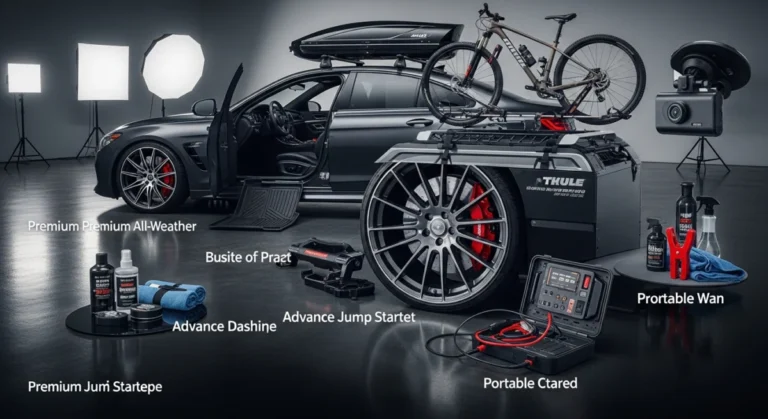
A roof box, also known as a cargo carrier, is an enclosed container designed to be mounted on the roof of a vehicle. It provides additional storage space for luggage, sporting equipment, camping gear, and other items that won’t fit inside the car’s cabin or trunk. Roof boxes are typically made from durable, weather-resistant materials like ABS plastic or a blend of polymers.
How it Works
The roof box attaches to the vehicle’s roof rack system, which consists of crossbars spanning the width of the roof. The box is then secured to these crossbars using various mounting mechanisms, such as clamps, U-bolts, or quick-release systems. These mechanisms ensure a tight and secure connection between the box and the roof rack, preventing it from shifting or detaching during transit. The box opens usually from the side, or sometimes both sides for easy access. Inside, straps and nets will usually be present to help secure the load.
Benefits and Key Features of Roof Boxes
Roof boxes offer a range of benefits that make them an attractive option for anyone needing extra cargo space:
- Increased Storage Capacity: The primary benefit is the significant increase in storage capacity, allowing you to carry more gear without compromising passenger comfort.
- Weather Protection: Roof boxes protect your belongings from the elements, keeping them dry and clean in rain, snow, or dust.
- Improved Fuel Efficiency (Potentially): While adding weight, some aerodynamic roof box designs can minimize wind resistance and have a negligable impact on fuel efficiency and can improve handling in some cases. It will allow you to keep more items from inside the car, reducing clutter.
- Security: Roof boxes can be locked, providing a secure storage space for valuable items when you’re away from your vehicle.
Key features to consider include:
- Capacity: Measured in liters or cubic feet, the capacity determines how much cargo the box can hold.
- Dimensions: Consider the length, width, and height of the box to ensure it fits your vehicle and can accommodate your gear.
- Weight Limit: The maximum weight the box can safely carry.
- Mounting System: The type of mounting mechanism used to attach the box to the roof rack.
- Opening Mechanism: Side opening, dual-side opening, or rear opening.
- Material: The type of plastic or polymer used in the box’s construction.
- Aerodynamics: A streamlined design can reduce wind resistance and noise.
- Locking System: The type of lock used to secure the box.
Roof Box Installation Tips
Proper installation is crucial for roof box safety. Here’s a step-by-step guide:
1. Read the Instructions: Carefully read the manufacturer’s instructions before starting the installation process. 2. Assemble the Roof Rack: Ensure your roof rack is properly assembled and securely attached to your vehicle’s roof. Consult your vehicle’s owner’s manual for roof rack weight limits. 3. Position the Roof Box: Carefully lift the roof box onto the roof rack, centering it between the crossbars. Make sure it’s positioned in a way that doesn’t obstruct the vehicle’s rear hatch. 4. Attach the Mounting Hardware: Use the appropriate mounting hardware (clamps, U-bolts, etc.) to secure the box to the crossbars. Follow the manufacturer’s instructions for tightening the hardware. 5. Double-Check the Security: After tightening the hardware, double-check that the box is securely attached to the roof rack. Try to wiggle it gently; it should not move. 6. Test Drive: Take a short test drive to ensure the box is secure and doesn’t generate excessive noise.
Important Considerations:
- Weight Distribution: Distribute the weight evenly inside the box. Place heavier items in the center of the box, above the crossbars.
- Overloading: Never exceed the roof box’s weight limit or the vehicle’s roof load capacity.
- Torque Wrench: Use a torque wrench to tighten the mounting hardware to the manufacturer’s specifications.
- Professional Installation: If you’re unsure about installing the roof box yourself, consider having it professionally installed by a qualified technician.
Maintenance and Care for Longevity
Proper maintenance and care will extend the life of your roof box and ensure its continued safety.
- Regular Cleaning: Clean the roof box regularly with soap and water to remove dirt, grime, and road salt.
- Inspect for Damage: Periodically inspect the box for cracks, dents, or other damage. Repair any damage promptly.
- Lubricate Locks: Lubricate the locking mechanism with a silicone-based lubricant to prevent corrosion and ensure smooth operation.
- Store Properly: When not in use, store the roof box in a dry, protected environment. Cover it to protect it from dust and UV damage.
- Check Mounting Hardware: Regularly check the mounting hardware for corrosion or damage. Replace any worn or damaged parts.
- UV Protection: Consider using a UV protectant spray designed for plastics to help prevent fading and cracking.
Top Buying Factors for Choosing the Right Roof Box
Selecting the right roof box requires careful consideration. Here are the top factors to keep in mind:
- Vehicle Compatibility: Ensure the roof box is compatible with your vehicle’s roof rack system. Consider the size and shape of your roof.
- Storage Needs: Choose a box with sufficient capacity to meet your storage needs. Think about the types of items you’ll be carrying.
- Budget: Roof boxes range in price from a few hundred dollars to over a thousand. Set a budget and stick to it.
- Brand Reputation: Choose a reputable brand known for quality and reliability. Research customer reviews and ratings.
- Material Quality: Opt for a roof box made from durable, weather-resistant materials. ABS plastic and polymer blends are common choices.
- Ease of Use: Consider the ease of installation, loading, and unloading. Look for features like quick-release mounting systems and side-opening designs.
- Aerodynamics: A streamlined design can reduce wind resistance and noise, improving fuel efficiency.
- Locking Mechanism: Choose a roof box with a secure locking mechanism to protect your belongings from theft.
- Warranty: Check the warranty offered by the manufacturer. A longer warranty provides peace of mind.
- Safety Certifications: Look for boxes that meet relevant safety standards.
Essential FAQ Section
Here are some frequently asked questions about roof box loading safety:
Q1: What is the maximum weight I can put in my roof box?
A: The maximum weight capacity is usually printed on a sticker inside the roof box and in the owner’s manual. However, you also need to check your vehicle’s roof load capacity in your vehicle owner’s manual, and use the *lower* of the two numbers. Never exceed either weight limit.
Q2: How should I distribute the weight inside the roof box?
A: Distribute the weight evenly, with heavier items placed in the center, directly above the crossbars. This helps maintain stability and prevents the box from shifting.
Q3: Can I drive in any weather conditions with a roof box?
A: Yes, roof boxes are designed to be weather-resistant. However, reduce your speed in high winds or heavy rain to maintain control. Inspect the box after driving in severe weather to ensure it’s still securely attached.
Q4: How often should I check the roof box’s mounting hardware?
A: Check the mounting hardware before each trip and after driving on rough roads. Ensure all connections are tight and secure.
Q5: Will a roof box significantly affect my fuel efficiency?
A: While it can have some impact, modern aerodynamic roof boxes are designed to minimize wind resistance. The impact depends on factors like driving speed, wind conditions, and the shape of the box. Drive at moderate speeds and pack efficiently to minimize any negative effect.
In conclusion, understanding and adhering to roof box loading safety guidelines is crucial for a secure and enjoyable journey. By following these tips and best practices, you can ensure your belongings are transported safely and protect yourself and others on the road. Happy travels!