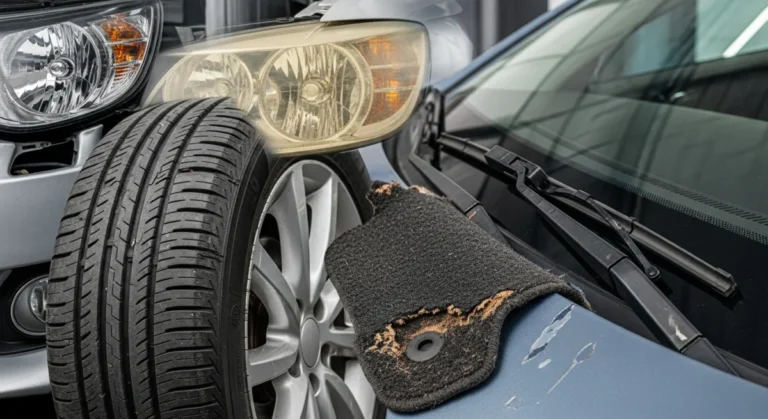
Road debris. It’s the bane of every driver’s existence. Imagine cruising down the highway when *WHAM!* a rock kicks up and cracks your windshield, or worse, dents your precious paint job. According to recent studies, road debris causes billions of dollars in vehicle damage annually, not to mention the potential safety hazards. But fear not, fellow motorists! There’s a simple, yet incredibly effective solution: mud flaps and undercarriage protection. Let’s dive into everything you need to know to safeguard your vehicle and keep it looking its best.
Understanding Mud Flaps and Undercarriage Protection
What are Mud Flaps?
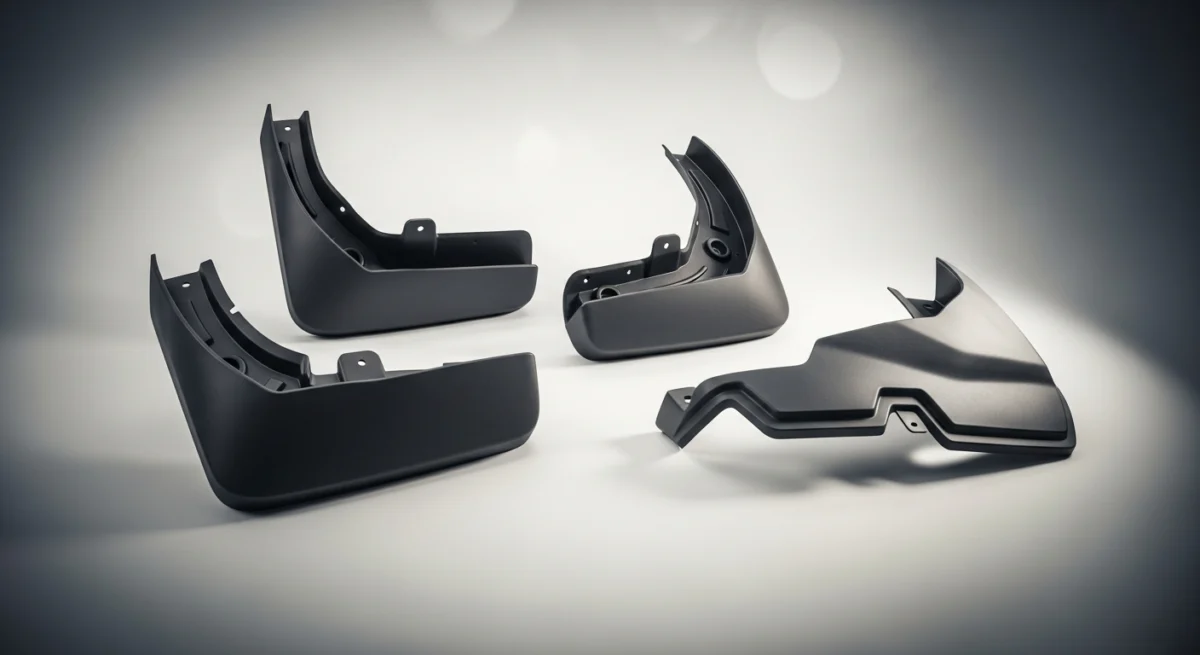
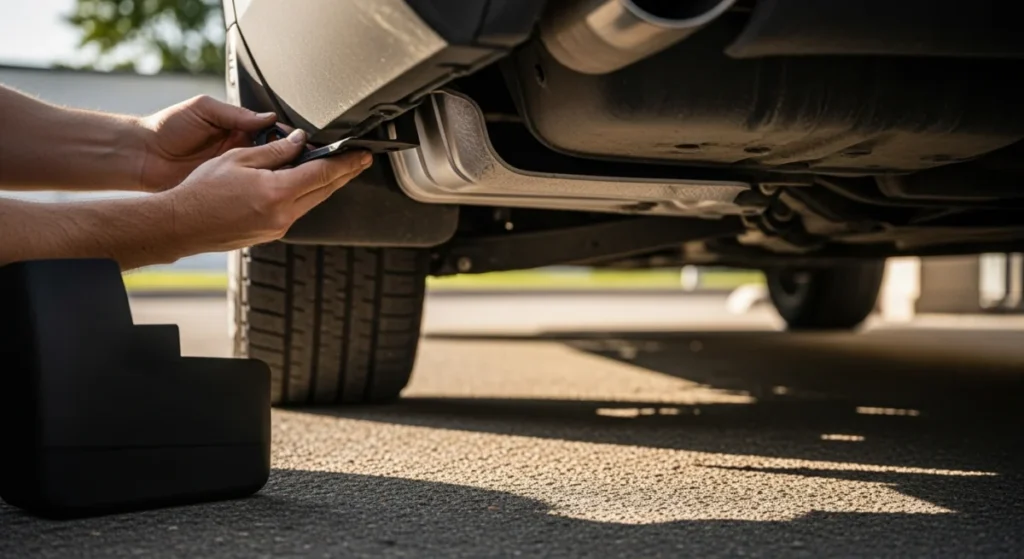
Mud flaps, also known as splash guards, are protective barriers positioned behind your vehicle’s tires. Their primary function is to deflect rocks, mud, water, snow, and other debris kicked up by the tires, preventing them from damaging your vehicle’s body, other vehicles, or even pedestrians. Think of them as your vehicle’s personal bodyguard against the elements and road hazards.
How Mud Flaps Work
The mechanics are simple, yet effective. As your tires rotate, they inevitably fling debris backward. Mud flaps act as a physical shield, intercepting this debris before it has a chance to impact vulnerable areas like the lower body panels, bumpers, and even the windshield of vehicles behind you. They redirect the momentum of the projectiles downwards, mitigating their damaging potential.
What is Undercarriage Protection?
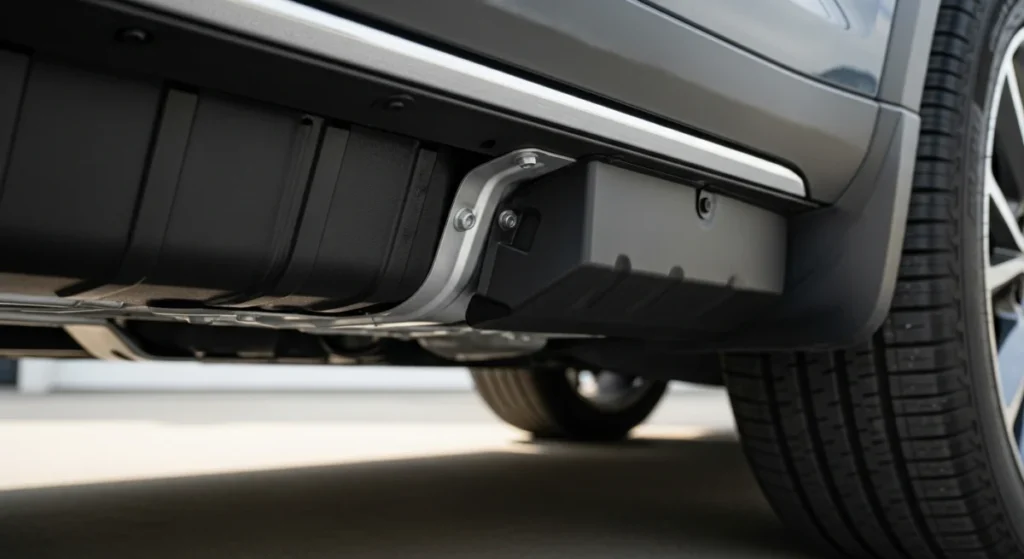
Undercarriage protection is a broader term encompassing various components designed to shield the sensitive parts located underneath your vehicle. This includes elements like skid plates, rock sliders (for off-road vehicles), and underbody panels. These protective layers safeguard critical components such as the engine, transmission, fuel tank, exhaust system, and suspension from impacts with rocks, debris, and even road salt.
How Undercarriage Protection Works
Undercarriage protection works by providing a durable barrier against physical damage. Skid plates, for instance, are typically made of thick steel or aluminum and are mounted to the frame of the vehicle. When you encounter an obstacle, the skid plate absorbs the impact, preventing it from directly damaging the vulnerable components behind it. Underbody panels, often made of durable plastic or composite materials, help to protect against corrosion and abrasion from road spray and debris.
Benefits and Key Features
Mud Flaps: Benefits and Features
- Paint Protection: Prevents chipping and scratches from road debris.
- Reduced Rust: Minimizes exposure to water, salt, and other corrosive elements.
- Enhanced Safety: Improves visibility for following vehicles by reducing spray.
- Aesthetic Appeal: Can enhance the look of your vehicle with various styles and finishes.
- Legal Compliance: In some regions, mud flaps are legally required for certain vehicles.
- Material Diversity: Offered in rubber, plastic, and even metal options, each with varying levels of durability and flexibility.
- Contoured Design: Many mud flaps are contoured to match the vehicle’s body lines for a seamless look.
- Customization Options: Available with logos, designs, or even lighting for added personalization.
Undercarriage Protection: Benefits and Features
- Engine Protection: Shields the engine oil pan and other critical components from damage.
- Transmission Protection: Safeguards the transmission from impacts and debris.
- Fuel Tank Protection: Prevents punctures and leaks in the fuel tank.
- Suspension Protection: Reduces the risk of damage to suspension components.
- Corrosion Resistance: Minimizes exposure to road salt and other corrosive elements.
- Robust Materials: Typically constructed from heavy-duty steel, aluminum, or composite materials.
- Strategic Placement: Designed to protect the most vulnerable areas of the undercarriage.
- Off-Road Capability: Rock sliders and skid plates enhance off-road performance and durability.
- Aerodynamic Benefits: Some underbody panels can improve aerodynamics and fuel efficiency.
Installation Tips
Mud Flap Installation
- Gather Your Tools: You’ll typically need a socket set, wrench, screwdriver, drill (for some installations), and safety glasses.
- Read the Instructions: Carefully review the installation instructions provided with your mud flaps.
- Clean the Area: Thoroughly clean the area where the mud flaps will be installed.
- Proper Alignment: Ensure the mud flaps are properly aligned with the wheel well.
- Secure Fasteners: Tighten all fasteners securely to prevent the mud flaps from coming loose.
- Avoid Over-Tightening: Over-tightening can damage the mud flaps or the vehicle’s body.
- Drilling May Be Required: Some mud flaps may require drilling holes in the wheel well for installation. If so, use caution and follow the instructions carefully.
Undercarriage Protection Installation
- Professional Installation Recommended: Due to the complexity and weight of some undercarriage protection components, professional installation is often recommended.
- Proper Lifting Equipment: You’ll need a vehicle lift or jack stands to safely access the undercarriage.
- Torque Specifications: Follow the manufacturer’s torque specifications for all fasteners.
- Wiring Considerations: If installing components with integrated lighting, ensure proper wiring and connections.
- Safety First: Always wear safety glasses and gloves when working under a vehicle.
- Consult a Professional: If you’re not comfortable with the installation process, consult a qualified mechanic.
Maintenance and Care
Mud Flap Maintenance
- Regular Cleaning: Wash your mud flaps regularly with soap and water to remove dirt and debris.
- Inspect for Damage: Periodically inspect your mud flaps for cracks, tears, or loose fasteners.
- Tighten Fasteners: Tighten any loose fasteners to prevent the mud flaps from flapping or falling off.
- Replace Damaged Mud Flaps: Replace any damaged mud flaps promptly to maintain their effectiveness.
Undercarriage Protection Maintenance
- Rinse After Off-Roading: Rinse the undercarriage with water after off-roading to remove mud and debris.
- Inspect for Damage: Regularly inspect skid plates and other undercarriage protection components for dents, scratches, or corrosion.
- Lubricate Moving Parts: Lubricate any moving parts, such as hinges or sliders, to prevent corrosion and ensure smooth operation.
- Apply Rust Inhibitor: Apply a rust inhibitor to exposed metal surfaces to prevent corrosion.
- Professional Inspection: Have a mechanic inspect your undercarriage protection components periodically to ensure they are in good condition.
Top Buying Factors
Mud Flaps: Key Considerations
- Vehicle Compatibility: Ensure the mud flaps are specifically designed for your vehicle’s make and model.
- Material Quality: Choose mud flaps made from durable materials that can withstand the elements and road debris.
- Size and Coverage: Select mud flaps that provide adequate coverage for your tires.
- Style and Aesthetics: Consider the style and aesthetics of the mud flaps to ensure they complement your vehicle’s appearance.
- Ease of Installation: Look for mud flaps that are easy to install, preferably with pre-drilled holes and included hardware.
- Price: Balance cost with quality and durability to find the best value for your needs.
Undercarriage Protection: Key Considerations
- Vehicle Type: Choose undercarriage protection components that are appropriate for your vehicle type and driving conditions.
- Material Strength: Select components made from high-strength materials that can withstand impacts and abrasion.
- Coverage Area: Ensure the components provide adequate coverage for the most vulnerable areas of the undercarriage.
- Ease of Installation: Consider the ease of installation, especially if you plan to install the components yourself.
- Weight: Keep in mind that adding undercarriage protection can increase your vehicle’s weight, which may affect fuel efficiency and handling.
- Price: Compare prices from different manufacturers and retailers to find the best deal.
- Intended Use: Consider how you use your vehicle and the level of protection required. Street use will require less rugged protection than serious off-roading.
Essential FAQs
1. Are mud flaps required by law? The legal requirements for mud flaps vary by state and province. Check your local regulations to ensure compliance. 2. Can undercarriage protection affect my vehicle’s ground clearance? Yes, adding skid plates and other undercarriage protection components can slightly reduce your vehicle’s ground clearance. 3. What materials are best for skid plates? Steel offers the best strength and protection, while aluminum is lighter and more corrosion-resistant. 4. How often should I inspect my mud flaps and undercarriage protection? It’s a good idea to inspect these components at least twice a year, or more frequently if you drive in harsh conditions. 5. Can I install undercarriage protection myself? Some simpler components can be installed by DIYers, but more complex installations are best left to professionals.
Conclusion
Investing in mud flaps and undercarriage protection is a smart way to protect your vehicle from the damaging effects of road debris, corrosion, and impacts. By understanding the benefits, features, and installation tips outlined in this guide, you can make informed decisions and choose the right products to safeguard your investment and enjoy a safer, more enjoyable driving experience. So, go ahead and armor up your ride! Your vehicle (and your wallet) will thank you.