Mud Flaps and Rust Prevention: A Comprehensive Guide
Driving a vehicle, especially in areas with harsh weather or unpaved roads, inevitably leads to a battle against road debris. This debris, ranging from water and salt to gravel and rocks, relentlessly attacks your vehicle’s undercarriage and paint, leading to unsightly damage and, more importantly, rust. Enter mud flaps (or splash guards), your unsung heroes in this ongoing war. They are not just cosmetic add-ons; they’re vital components in preserving your vehicle’s integrity and value. In fact, studies show that vehicles equipped with proper mud flaps experience up to 40% less rust and paint chipping over a five-year period compared to those without. This guide will provide a comprehensive understanding of mud flaps and their crucial role in rust prevention.
What are Mud Flaps and How Do They Work?
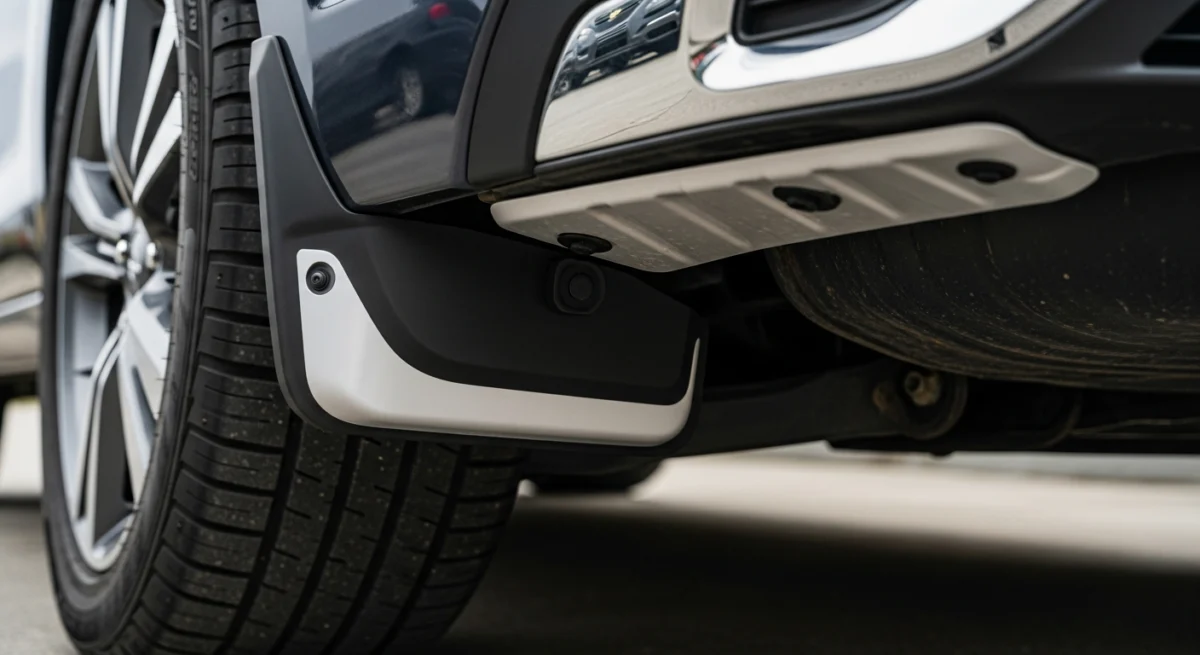
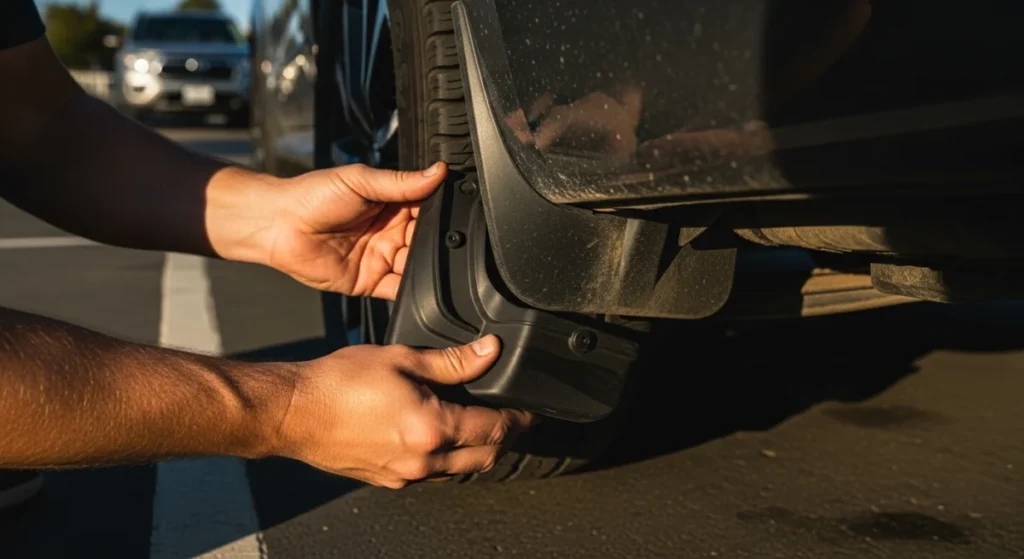
At their core, mud flaps are barriers positioned behind your vehicle’s wheels. Their primary function is to deflect water, mud, snow, rocks, and other road debris kicked up by the tires, preventing them from impacting the vehicle’s body, undercarriage, and even other vehicles. They work by interrupting the trajectory of these projectiles, forcing them downwards or sideways rather than allowing them to bombard sensitive areas.
The Physics of Deflection
The effectiveness of a mud flap relies on simple physics. When a tire rotates at speed, it picks up loose material from the road. This material is then flung outwards due to centrifugal force. The mud flap, strategically positioned, intercepts this spray. The angle and surface area of the flap determine how effectively it redirects the debris. A larger flap provides more surface area for interception, and a carefully designed angle minimizes the upward trajectory of deflected material.
Material Matters
Mud flaps are commonly made from durable materials like:
- Rubber: A classic choice, offering flexibility and resistance to impact. Often made from recycled materials.
- Thermoplastic: Stronger and more rigid than rubber, offering greater durability in extreme conditions.
- Polyurethane: Known for its exceptional abrasion resistance and flexibility, making it a premium option.
- Aluminum: Commonly used on semi-trucks, extremely durable but more prone to bending.
Benefits and Key Features of Mud Flaps
Beyond simply keeping your vehicle cleaner, mud flaps offer a wealth of benefits:
- Rust Prevention: This is arguably the most significant benefit. By shielding the undercarriage and body panels from constant bombardment by corrosive elements like salt and road grime, mud flaps significantly reduce the risk of rust formation.
- Paint Protection: Flying rocks and debris can chip away at your vehicle’s paint, exposing the underlying metal to the elements and creating entry points for rust. Mud flaps act as a barrier, preserving your paint’s finish.
- Improved Visibility: In wet conditions, tires can spray a significant amount of water and grime onto the windshields of following vehicles. Mud flaps minimize this spray, enhancing visibility and improving road safety.
- Reduced Damage to Other Vehicles: Similar to improving visibility, mud flaps help prevent damage to vehicles following behind, minimizing the risk of chipped windshields or paint damage from flying debris.
- Enhanced Aesthetics: While primarily functional, mud flaps can also enhance the appearance of your vehicle. A wide variety of styles and materials are available, allowing you to choose mud flaps that complement your vehicle’s design.
Key Features to Consider
When selecting mud flaps, keep these features in mind:
- Size and Coverage: Ensure the mud flaps provide adequate coverage for your tires. They should extend far enough to prevent debris from bypassing them.
- Material Durability: Choose a material that can withstand the rigors of your driving environment. If you frequently drive on gravel roads, opt for a more durable material like polyurethane or thermoplastic.
- Mounting Style: Different vehicles require different mounting solutions. Ensure the mud flaps you choose are compatible with your vehicle’s make and model. Look for direct-fit options for easier installation.
- Anti-Spray Design: Some mud flaps incorporate features like channels or textured surfaces to further reduce spray and improve their effectiveness.
- Customizability: Many mud flaps can be trimmed or shaped to achieve a perfect fit and desired aesthetic.
Installation Tips for Mud Flaps
Installing mud flaps is often a straightforward process, but proper installation is crucial for optimal performance.
- Gather Your Tools: You’ll typically need a socket set, screwdriver (Phillips and flathead), drill (if drilling is required), measuring tape, and potentially a marker.
- Read the Instructions: Always start by carefully reading the manufacturer’s instructions. Different mud flaps have different installation procedures.
- Prepare the Mounting Surface: Clean the area where the mud flaps will be installed to ensure proper adhesion and a secure fit.
- Use Existing Mounting Points: Whenever possible, utilize existing mounting points on your vehicle. This avoids the need for drilling and simplifies the installation process.
- Drilling (If Necessary): If drilling is required, carefully mark the drill points and use a drill bit appropriate for the material. Ensure you are drilling into a safe area that won’t damage any wiring or other components. Consider using self-tapping screws for easier installation.
- Secure the Mud Flaps: Tighten all screws and bolts securely, but avoid over-tightening, which can damage the mud flaps or mounting points.
- Professional Installation: If you are unsure about any aspect of the installation process, consider having a professional install the mud flaps for you.
Maintenance and Care of Mud Flaps
Like any other component of your vehicle, mud flaps require occasional maintenance to ensure they continue to perform optimally.
- Regular Cleaning: Wash your mud flaps regularly with soap and water to remove accumulated dirt, grime, and salt. This will help prevent corrosion and extend their lifespan.
- Inspection: Periodically inspect your mud flaps for signs of damage, such as cracks, tears, or loose mounting hardware. Replace damaged mud flaps promptly to maintain their effectiveness.
- Tighten Hardware: Check the tightness of mounting hardware regularly, especially after driving on rough roads. Loose hardware can cause the mud flaps to vibrate and eventually fail.
- UV Protection: If your mud flaps are made of a material susceptible to UV damage, consider applying a UV protectant spray to help prevent fading and cracking.
Top Buying Factors for Mud Flaps
Choosing the right mud flaps for your vehicle involves considering several key factors:
- Vehicle Type: Mud flaps are designed for specific vehicle types (trucks, SUVs, cars, etc.). Ensure you choose mud flaps that are compatible with your vehicle.
- Driving Conditions: Consider the types of roads you typically drive on. If you frequently drive on gravel roads or in harsh weather conditions, opt for more durable mud flaps.
- Material: As mentioned earlier, choose a material that can withstand the rigors of your driving environment. Rubber is a good all-around choice, while thermoplastic and polyurethane offer superior durability.
- Aesthetic Preferences: Mud flaps are available in a wide variety of styles and colors. Choose mud flaps that complement your vehicle’s design and personal taste. Consider contoured mud flaps for a sleek, integrated look.
- Budget: Mud flap prices can vary significantly depending on the material, size, and features. Set a budget before you start shopping and stick to it.
- Brand Reputation: Opt for reputable brands known for producing high-quality, durable mud flaps. Look for brands that offer warranties on their products.
Essential FAQ
- Q: Are mud flaps required by law?
- A: Mud flap requirements vary by state and province. It’s best to check your local regulations to ensure compliance. Generally, commercial vehicles and large trucks are more likely to be subject to mud flap laws.
- Q: Can I install mud flaps myself, or do I need a professional?
- A: Many mud flaps are designed for DIY installation, especially direct-fit options. However, if you’re uncomfortable working on your vehicle or if the installation requires drilling, it’s best to have a professional install them.
- Q: How often should I replace my mud flaps?
- A: The lifespan of mud flaps depends on the material and driving conditions. Inspect them regularly for damage and replace them when they become cracked, torn, or excessively worn. High-quality mud flaps can last for several years.
- Q: Will mud flaps affect my vehicle’s fuel economy?
- A: Properly sized mud flaps will have a negligible impact on fuel economy. Overly large or poorly designed mud flaps could potentially increase drag and reduce fuel efficiency, but this is usually minimal.
- Q: Can mud flaps prevent rust completely?
- A: While mud flaps significantly reduce the risk of rust, they cannot guarantee complete rust prevention. Regular washing, waxing, and rustproofing treatments are still important for protecting your vehicle.
Conclusion
Mud flaps are an investment in the long-term health and appearance of your vehicle. By deflecting road debris and minimizing exposure to corrosive elements, they play a vital role in rust prevention and paint protection. Choosing the right mud flaps and maintaining them properly will not only keep your vehicle looking its best but also preserve its value and extend its lifespan. So, whether you’re navigating city streets or tackling rugged terrains, equip your vehicle with mud flaps and enjoy the peace of mind that comes with knowing you’re taking proactive steps to protect your investment.