Mud flaps. They’re often overlooked, relegated to the realm of purely functional accessories. But the truth is, a well-chosen set of mud flaps can do more than just protect your vehicle from road debris; they can significantly enhance its overall appearance, contributing to a rugged, refined, or even sporty aesthetic. Think of them as the unsung heroes of automotive style, quietly working to keep your ride looking its best while simultaneously shielding it from the harsh realities of the road. So, are you ready to explore the surprisingly stylish world of mud flaps? Let’s dive in.
Mud Flaps: Protection and Panache
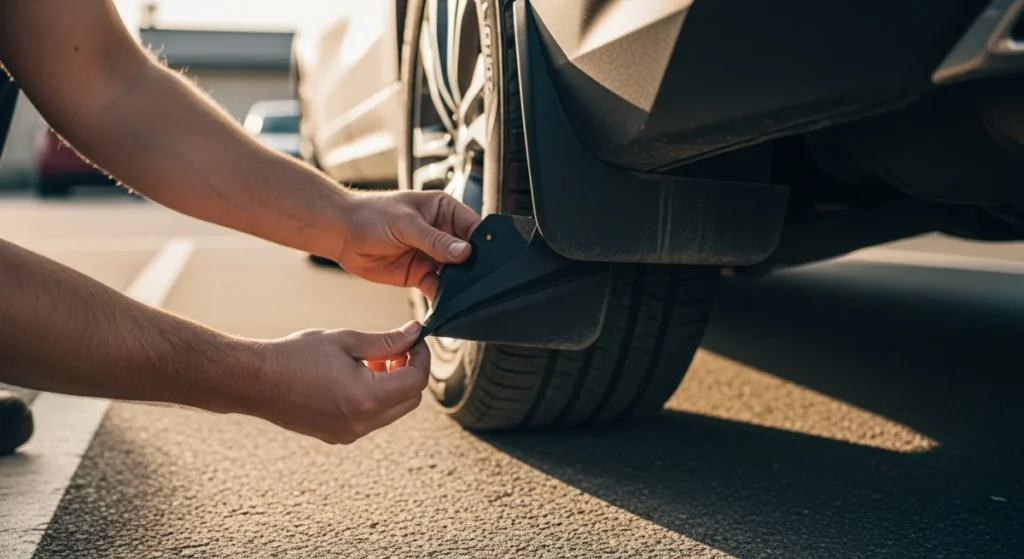
Mud flaps, also known as splash guards or stone deflectors, are protective panels installed behind a vehicle’s tires. Their primary function is to prevent water, mud, rocks, and other road debris from being thrown into the air by the rotating tires. This debris can damage the vehicle’s paint, undercarriage, and even pose a hazard to other vehicles. While functionality is paramount, modern mud flaps come in a variety of materials, designs, and finishes, allowing you to customize your vehicle’s look. From sleek, molded designs that blend seamlessly with the vehicle’s body lines to robust, textured flaps that exude off-road toughness, the options are vast.
Understanding the Mechanics
The principle behind mud flaps is simple: to intercept and redirect the trajectory of debris flung upward and outward by the tires. As the tires rotate, they pick up moisture, dirt, and small rocks. Without mud flaps, this material would be launched into the air, potentially impacting the vehicle itself or vehicles behind it. Mud flaps act as a barrier, catching the debris and directing it downward, minimizing the risk of damage and improving visibility for following drivers. The size and shape of the mud flap, as well as its distance from the tire, are crucial factors in its effectiveness.
The Multifaceted Benefits of Mud Flaps
Beyond their primary function of protection, mud flaps offer a range of benefits that contribute to both the longevity and appearance of your vehicle:
- Paint Protection: Prevents chips, scratches, and corrosion caused by flying debris, preserving your vehicle’s paint job.
- Undercarriage Protection: Shields the undercarriage from rust and damage caused by salt, water, and rocks, extending the life of critical components.
- Enhanced Safety: Reduces spray and debris kicked up behind the vehicle, improving visibility for other drivers and reducing the risk of accidents.
- Improved Aesthetics: Adds a touch of style and customization to your vehicle, complementing its overall design.
- Compliance with Regulations: In some jurisdictions, mud flaps are legally required for certain types of vehicles, particularly trucks and commercial vehicles.
Key Features to Consider
When selecting mud flaps, consider the following features:
- Material: Options include rubber, thermoplastic, and metal. Rubber flaps are flexible and durable, while thermoplastic flaps offer a balance of durability and affordability. Metal flaps are typically used for heavy-duty applications.
- Size and Shape: Choose a size and shape that complements your vehicle’s design and provides adequate coverage. Larger flaps offer better protection, while smaller flaps may be more aesthetically pleasing.
- Finish: Mud flaps are available in a variety of finishes, including smooth, textured, and embossed. Select a finish that matches your vehicle’s style.
- Mounting System: Ensure that the mud flaps are compatible with your vehicle’s mounting points. Some mud flaps require drilling, while others can be installed using existing hardware.
- Anti-Spray Design: Some mud flaps feature special designs that minimize spray, further enhancing visibility for other drivers.
Installation: A Practical Guide
Installing mud flaps is generally a straightforward process that can be done at home with basic tools. However, the specific steps will vary depending on the type of mud flaps and your vehicle.
1. Gather Your Tools: You’ll typically need a screwdriver, wrench, drill (if required), and measuring tape. 2. Prepare the Vehicle: Clean the area where the mud flaps will be installed. 3. Position the Mud Flaps: Align the mud flaps with the mounting points on your vehicle. 4. Secure the Mud Flaps: Use the provided hardware to attach the mud flaps to the vehicle. If drilling is required, be sure to drill pilot holes first to prevent damage. 5. Torque Specifications: Always consult the manufacturer’s installation guide for recommended torque specifications to avoid over-tightening. 6. Double-Check: Ensure that the mud flaps are securely fastened and properly aligned.
Pro Tip: Consider No-Drill Options
If you’re hesitant to drill into your vehicle’s body, look for mud flaps that utilize existing mounting points or feature a no-drill design. These options are often easier to install and minimize the risk of damaging your vehicle.
Maintaining Your Mud Flaps: Longevity and Looks
Proper maintenance can significantly extend the life of your mud flaps and keep them looking their best.
- Regular Cleaning: Wash your mud flaps regularly with soap and water to remove dirt, mud, and road salt.
- Inspection: Periodically inspect your mud flaps for cracks, tears, or loose hardware. Replace damaged mud flaps promptly to maintain their effectiveness.
- Protective Coating: Apply a protective coating, such as a rubber protectant or UV protectant, to prevent fading and cracking.
- Winter Care: In winter regions where salt is prevalent, rinse your mud flaps frequently to prevent salt buildup that can accelerate corrosion on mounting hardware.
Repairing Minor Damage
Small tears or cracks in rubber mud flaps can sometimes be repaired using a rubber repair kit. For thermoplastic mud flaps, consider using a plastic adhesive designed for automotive applications. However, heavily damaged mud flaps should be replaced for optimal performance and safety.
Key Buying Factors for Style and Substance
Choosing the right mud flaps involves balancing functionality with aesthetics. Here are some key factors to consider:
- Vehicle Type: Select mud flaps that are specifically designed for your vehicle’s make and model to ensure a proper fit and appearance.
- Driving Conditions: Consider the types of roads you typically drive on. If you frequently encounter rough terrain or gravel roads, opt for heavy-duty mud flaps that can withstand the abuse.
- Desired Aesthetic: Choose mud flaps that complement your vehicle’s overall style. Do you want a rugged, off-road look, or a sleek, refined appearance?
- Budget: Mud flaps range in price from affordable to premium. Set a budget and choose mud flaps that offer the best value for your money.
- Brand Reputation: Opt for reputable brands known for producing high-quality, durable mud flaps. Reading online reviews can provide valuable insights into product performance and customer satisfaction.
Material Matters: Understanding the Tradeoffs
The material of your mud flaps significantly impacts their durability, flexibility, and appearance. Rubber offers excellent flexibility and resistance to impacts, making it ideal for off-road vehicles. Thermoplastic is a cost-effective option that provides good durability and a range of finish options. Metal, typically aluminum or stainless steel, is the most durable but can be more prone to bending in severe impacts.
Essential Mud Flap FAQs
Here are some frequently asked questions about mud flaps:
Q: Are mud flaps required by law? A: In many jurisdictions, mud flaps are required for trucks and commercial vehicles to prevent debris from being thrown onto other vehicles. Check your local regulations for specific requirements.
Q: Can I install mud flaps myself? A: Yes, most mud flaps can be installed at home with basic tools. However, if you’re not comfortable with DIY projects, you can have them professionally installed.
Q: How do I choose the right size mud flaps? A: Measure the distance between your tire and the wheel well to determine the appropriate size. Generally, the mud flap should extend slightly beyond the width of the tire.
Q: What’s the difference between molded and universal mud flaps? A: Molded mud flaps are designed to fit specific vehicle makes and models, while universal mud flaps can be installed on a wider range of vehicles. Molded mud flaps typically offer a more seamless and integrated look.
Q: How often should I replace my mud flaps? A: Replace your mud flaps as needed, based on their condition. Look for signs of cracking, tearing, or excessive wear. Damaged mud flaps are less effective at protecting your vehicle and can pose a safety hazard.
Conclusion: Elevating Your Ride, One Flap at a Time
Mud flaps are more than just functional accessories; they’re an investment in your vehicle’s longevity and appearance. By choosing the right mud flaps and maintaining them properly, you can protect your vehicle from damage, enhance its style, and improve safety on the road. So, whether you’re seeking a rugged, off-road look or a sleek, refined aesthetic, remember that the right set of mud flaps can make all the difference. Happy driving!