Roof Racks: Unlock the Potential of Your Vehicle
Imagine this: You’re packing for a family road trip. The trunk is overflowing, the back seats are crammed with luggage, and your carefully planned vacation feels like it’s about to be swallowed by chaos. Sound familiar? You’re not alone. Millions of drivers face the space crunch when hauling gear for adventures, work, or even everyday tasks. Roof racks offer a simple yet incredibly effective solution, transforming your vehicle into a true cargo-carrying champion. In fact, the roof rack market is projected to reach billions of dollars in the coming years, demonstrating its widespread appeal and utility. This comprehensive guide will equip you with the knowledge to confidently navigate the world of roof racks and choose the perfect system to maximize your vehicle’s capabilities.
What is a Roof Rack and How Does it Work?
A roof rack is a system designed to securely attach cargo to the roof of a vehicle. It provides a sturdy and stable platform for transporting items that are too large, bulky, or dirty to fit inside the passenger compartment. The core of a roof rack system typically consists of two or more crossbars that span the width of the vehicle’s roof. These crossbars are supported by towers or feet, which attach to specific points on the vehicle, such as factory-installed mounting points, door frames, or existing roof rails.
The fundamental principle behind a roof rack is load distribution. By spreading the weight of the cargo across multiple points on the roof, the rack minimizes stress on any single area and ensures safe and stable transportation. Different types of racks use varying attachment methods to suit different vehicle designs. Some racks clamp onto the door frames using specialized brackets, while others utilize existing roof rails or dedicated mounting points integrated into the vehicle’s roof structure.
Components of a Roof Rack System
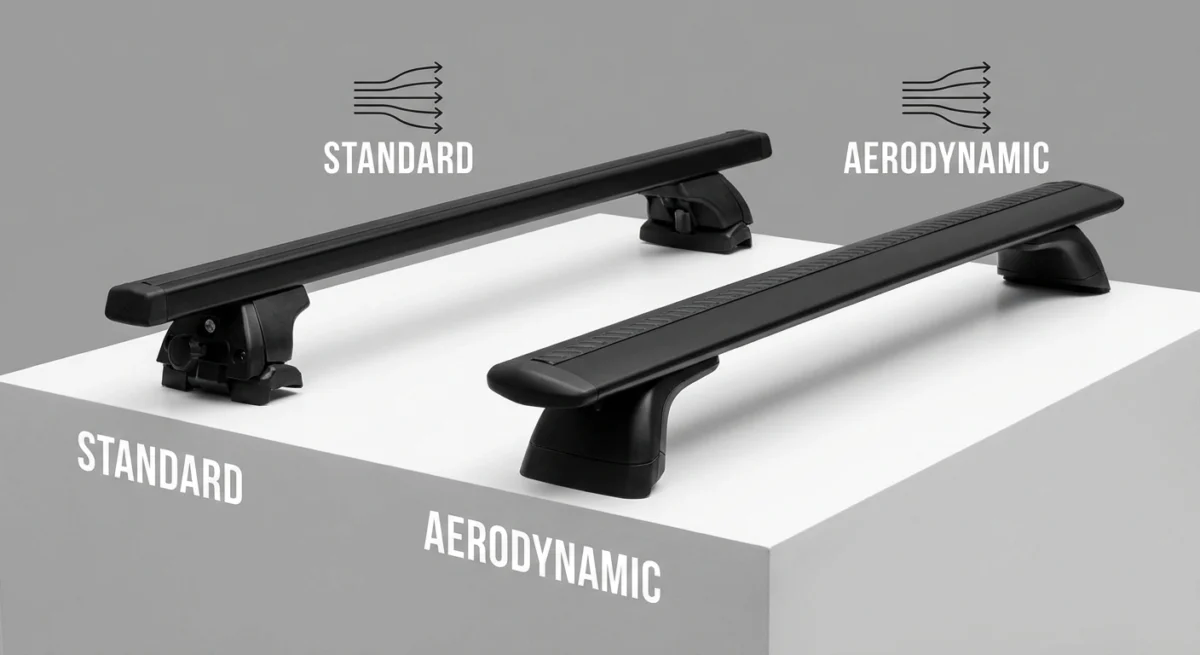
- Crossbars: The horizontal bars that carry the load. They come in various shapes (square, round, aerodynamic) and materials (steel, aluminum, composite).
- Towers/Feet: The vertical supports that connect the crossbars to the vehicle. Their design depends on the vehicle’s roof type.
- Mounting Hardware: The specific bolts, clamps, and adapters needed to securely attach the rack to the vehicle.
- Accessories: Optional additions such as fairings (to reduce wind noise), load stops, and tie-down straps for securing cargo.
Benefits and Key Features of Roof Racks
The advantages of using a roof rack extend far beyond simply creating more space. They offer increased versatility, convenience, and even improve fuel efficiency in some cases.
Increased Cargo Capacity
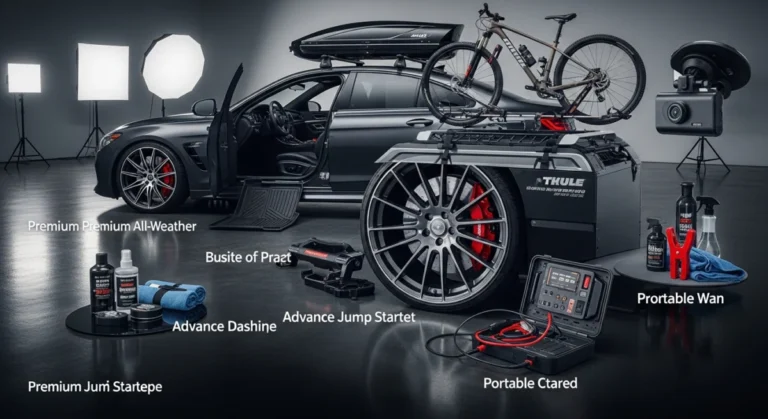
This is the most obvious benefit. A roof rack dramatically increases the carrying capacity of your vehicle, allowing you to transport oversized items like:
- Kayaks and canoes
- Surfboards and paddleboards
- Bicycles
- Roof boxes and cargo carriers
- Lumber and construction materials
- Camping gear
Vehicle Interior Preservation
By storing dirty or bulky items on the roof, you protect the interior of your vehicle from damage, dirt, and unpleasant odors. Think muddy hiking boots, wet camping equipment, or construction materials – all safely stowed away from your pristine upholstery.
Improved Fuel Efficiency (Aerodynamic Designs)
While early roof racks often had a negative impact on fuel economy due to increased drag, modern aerodynamic designs minimize wind resistance. Streamlined crossbars and fairings help to deflect air around the cargo, reducing turbulence and improving fuel efficiency compared to older, less aerodynamic designs.
Versatility and Customization
Roof racks are incredibly versatile. You can adapt them to carry a wide range of items by adding different accessories. Whether you’re hauling bikes, skis, or luggage, there’s a roof rack accessory designed to make the job easier and safer.
Key Features to Consider
- Load Capacity: Always check the manufacturer’s specifications for the maximum weight the rack can safely carry. Exceeding this limit can be dangerous and damage your vehicle.
- Durability: Look for racks made from high-quality materials that can withstand the elements and heavy use. Powder-coated steel and anodized aluminum are excellent choices.
- Aerodynamics: Choose racks with a streamlined design and consider adding a fairing to reduce wind noise and improve fuel efficiency.
- Ease of Installation: Some racks are easier to install than others. If you’re not mechanically inclined, look for racks with a simple, intuitive installation process.
- Compatibility: Ensure the rack is compatible with your specific vehicle make, model, and year. Use the manufacturer’s fit guide to verify compatibility.
- Security: Consider racks with locking mechanisms to deter theft of the rack itself or any accessories attached to it.
Installation Tips (If Applicable)
The installation process varies depending on the type of roof rack and the vehicle. However, here are some general tips to ensure a successful and safe installation:
- Read the Instructions: This seems obvious, but it’s crucial. Follow the manufacturer’s instructions carefully, step-by-step.
- Gather Your Tools: Make sure you have all the necessary tools before you begin. This may include wrenches, screwdrivers, measuring tapes, and torque wrenches.
- Clean the Mounting Surfaces: Before attaching the rack, clean the areas where the towers or feet will contact the vehicle’s roof. This will ensure a secure and stable connection.
- Proper Torque: Use a torque wrench to tighten the bolts to the manufacturer’s specified torque. Overtightening can damage the rack or your vehicle’s roof.
- Test and Re-tighten: After installing the rack, test its stability by gently shaking it. Re-tighten any bolts that feel loose after a short test drive.
- Professional Installation: If you’re not comfortable installing the rack yourself, consider having it professionally installed by a qualified mechanic or roof rack specialist.
Maintenance and Care
Proper maintenance will extend the life of your roof rack and ensure it performs reliably for years to come.
- Regular Cleaning: Wash the rack regularly with soap and water to remove dirt, grime, and road salt. This will prevent corrosion and maintain its appearance.
- Inspect for Damage: Periodically inspect the rack for any signs of damage, such as cracks, rust, or loose bolts. Repair or replace any damaged components promptly.
- Tighten Bolts: Check the tightness of all bolts and fasteners regularly, especially after long trips or carrying heavy loads.
- Lubricate Moving Parts: Lubricate any moving parts, such as hinges or locking mechanisms, with a silicone-based lubricant to keep them functioning smoothly.
- Remove When Not in Use (Optional): While not always necessary, removing the rack when it’s not in use can improve fuel economy and reduce wind noise. This is especially beneficial for non-aerodynamic racks.
Top Buying Factors for Roof Racks
Choosing the right roof rack depends on your individual needs, vehicle type, and budget. Here are the key factors to consider when making your purchase:
- Vehicle Compatibility: This is the most important factor. Ensure the rack is specifically designed to fit your vehicle’s make, model, and year. Use the manufacturer’s fit guide to verify compatibility.
- Intended Use: What type of cargo will you be carrying most often? Consider the size, weight, and shape of the items you’ll be transporting.
- Load Capacity: Choose a rack with a load capacity that meets or exceeds your needs. Never exceed the manufacturer’s recommended weight limit.
- Rack Type: Select the rack type that is most suitable for your vehicle’s roof type and your needs (e.g., naked roof, raised rails, fixed points).
- Budget: Roof racks range in price from a few hundred dollars to over a thousand dollars. Set a budget and stick to it, but don’t sacrifice quality for price.
- Brand Reputation: Choose a reputable brand with a proven track record of quality and reliability. Read reviews and compare different brands before making your decision.
- Aesthetics: Consider the appearance of the rack and how it will look on your vehicle. Choose a style that complements your vehicle’s design.
- Security Features: If you’re concerned about theft, choose a rack with locking mechanisms and security features.
- Warranty: Check the manufacturer’s warranty for coverage against defects in materials and workmanship.
Essential FAQ
Q: How much weight can my roof rack carry?
A: This depends on the specific roof rack model and your vehicle’s roof load capacity. Always consult the manufacturer’s specifications for both the rack and your vehicle.
Q: Will a roof rack damage my car?
A: If installed correctly and used within its weight capacity, a roof rack should not damage your car. However, improper installation or overloading can cause damage to the roof or mounting points.
Q: Can I install a roof rack myself?
A: Many roof racks can be installed by the owner, but some require professional installation. The complexity of the installation depends on the rack type and your vehicle’s roof type. If you’re not comfortable with DIY projects, it’s best to have a professional install the rack.
Q: How do I choose the right size roof rack for my car?
A: Consult the roof rack manufacturer’s fit guide. These guides are typically available online and provide specific recommendations for your vehicle’s make, model, and year.
Q: Does a roof rack affect fuel economy?
A: Older, less aerodynamic roof racks can negatively affect fuel economy. However, modern aerodynamic designs minimize wind resistance and may have a minimal impact on fuel consumption. Adding a fairing can also help to improve fuel efficiency.
Conclusion
Investing in a roof rack is an investment in versatility, convenience, and the ability to tackle any adventure that comes your way. By understanding the different types of racks, their benefits, and the key buying factors, you can choose the perfect system to transform your vehicle into a true cargo-carrying machine. So, take the plunge, explore the possibilities, and unlock the full potential of your vehicle with the right roof rack.