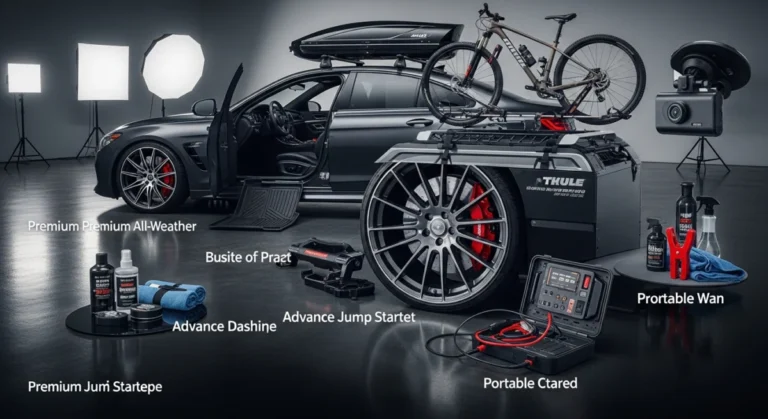
Have you ever been cruising down the highway, enjoying the scenery, only to be assaulted by a persistent, annoying whistling or roaring sound seemingly coming from your roof? Chances are, if you have a roof rack, you’re experiencing roof rack wind noise. Millions of drivers use roof racks for everything from carrying kayaks and bikes to luggage and lumber. However, the design of these racks, while functional, often disrupts airflow, leading to significant aerodynamic turbulence and, consequently, that dreaded noise. The good news? Understanding the causes of this noise is the first step towards mitigating it and restoring peace and quiet to your driving experience. Let’s dive deep into the world of roof rack aerodynamics and explore how to silence the wind.
Understanding Roof Rack Wind Noise
What is Roof Rack Wind Noise and How it Works?
Roof rack wind noise is the sound generated by air flowing around and through a roof rack system mounted on a vehicle. It’s not just a simple whistle; it can manifest in various forms, including whistling, roaring, humming, or even a rattling sound. The phenomenon is rooted in basic aerodynamic principles. When air encounters an object, like a roof rack, it must divert its path. This diversion creates areas of high and low pressure. These pressure differences, combined with the shape of the rack components, can cause the air to separate from the surface, creating vortices – swirling pockets of air.
These vortices are not stable; they shed or break off, creating fluctuating pressure waves that propagate as sound. The frequency of these pressure waves determines the pitch and intensity of the noise. Factors like vehicle speed, wind direction, the shape and design of the roof rack components (crossbars, towers, accessories), and even the type of vehicle all contribute to the frequency and intensity of the sound. Aerodynamic drag is also increased by this turbulence, leading to slightly diminished fuel economy.
Common Culprits: Crossbars, Fairings, and Accessories
Different parts of the roof rack system contribute to wind noise in unique ways:
- Crossbars: These are the primary horizontal bars that span the roof of the vehicle. Their shape is crucial. Square or rectangular crossbars, while strong, tend to create more turbulence than aerodynamically shaped bars (e.g., oval, wing-shaped). The sharp edges of square bars disrupt airflow significantly.
- Towers (Feet): These are the mounting points that attach the crossbars to the vehicle. Their shape and positioning can also impact airflow, especially where they connect to the crossbars. Gaps and sharp angles around the towers can generate noise.
- Roof Rack Fairings: Fairings are designed to deflect air up and over the roof rack, reducing turbulence and noise. They are typically mounted at the front of the rack. However, if they are poorly designed or improperly installed, they can sometimes *increase* noise rather than decrease it.
- Accessories (Bike Racks, Cargo Boxes, etc.): Anything attached to the roof rack will disrupt airflow. Bike racks, cargo boxes, kayak carriers, and even tie-down straps can create significant turbulence, adding to the overall noise level. Even adding a thin bungee cord creates a vibration.
Understanding Vortex Shedding
Vortex shedding is a critical concept in understanding roof rack wind noise. It’s the process where alternating vortices are created behind an object (like a crossbar) in a flow of fluid (air). These vortices detach (shed) from the object, creating pressure fluctuations that propagate as sound. The frequency of vortex shedding depends on the shape and size of the object and the speed of the airflow. Aerodynamic crossbars are designed to minimize vortex shedding, either by streamlining the airflow or disrupting the formation of stable vortices.
Solutions and Mitigation Strategies
Aerodynamic Crossbars: A Quieter Ride
Choosing the right crossbars is the single most effective way to reduce roof rack wind noise. Aerodynamic crossbars, such as those with an oval or wing-shaped profile, are designed to minimize turbulence and vortex shedding. These bars are typically more expensive than square bars, but the investment is often worth it for the significant reduction in noise and improved fuel efficiency.
Roof Rack Fairings: Deflecting the Wind
A roof rack fairing is a shield mounted in front of the first crossbar that deflects the wind up and over the rack, smoothing the airflow. Fairings come in various shapes and sizes, and choosing the right one for your vehicle and roof rack system is essential. A properly installed fairing can significantly reduce wind noise, especially at higher speeds.
Important Note: Improperly installed fairings can *increase* noise. Ensure the fairing is securely mounted and that there are no large gaps between the fairing and the roof of the vehicle. Follow the manufacturer’s instructions carefully.
Crossbar Spacing and Positioning
The spacing and position of the crossbars on the roof can influence wind noise. Experiment with different spacing configurations to see if you can minimize the noise. Generally, wider spacing can reduce noise, but this depends on the vehicle and the specific roof rack system. Also, ensuring that the bars are perpendicular to the vehicle’s direction of travel helps reduce wind resistance.
Strategic Accessory Placement
The placement of accessories on the roof rack can also affect wind noise. Try to position accessories in a way that minimizes airflow disruption. For example, placing a cargo box as far back as possible can sometimes reduce noise. When not in use, remove accessories from the roof rack to minimize wind resistance and noise.
Using Crossbar Pads or Spoilers
Crossbar pads, usually made of foam or rubber, can be attached to the crossbars to dampen vibrations and reduce noise. They also provide protection for the items being carried on the roof rack. Additionally, aftermarket spoilers can be attached to the crossbars to further disrupt airflow and reduce turbulence.
Taping or Wrapping Crossbars
A temporary solution for reducing wind noise is to wrap the crossbars with tape. This can help to smooth out the surface and reduce turbulence. Electrical tape or heavy-duty duct tape can be used for this purpose. However, this is a temporary fix, and the tape may need to be replaced periodically.
Maintenance and Care
Maintaining your roof rack system is crucial for both safety and noise reduction. Regularly inspect all components for damage or wear. Tighten any loose bolts or screws. Clean the roof rack regularly to remove dirt and debris that can disrupt airflow. Proper maintenance will ensure that your roof rack is functioning optimally and minimizing wind noise.
Pro Tip: Use a silicone-based lubricant on the threads of bolts and screws to prevent corrosion and ensure easy tightening.
Top Buying Factors for a Quiet Roof Rack
When purchasing a roof rack system, consider the following factors to minimize wind noise:
- Aerodynamic Design: Choose crossbars with an aerodynamic profile (oval, wing-shaped).
- Material: Aluminum crossbars are generally lighter and more resistant to corrosion than steel crossbars.
- Compatibility: Ensure the roof rack system is compatible with your vehicle.
- Noise Reduction Features: Look for roof rack systems that are specifically designed to reduce wind noise, such as those with integrated fairings or aerodynamic crossbars.
- Customer Reviews: Read customer reviews to get an idea of the noise levels associated with different roof rack systems.
- Installation Ease: Easy installation means fewer potential errors that can create whistling points.
- Budget: Balance features with cost to find the best value.
Essential FAQs
Q: Will a roof rack always create wind noise? A: Generally, yes. Any obstruction on the roof will generate some level of noise. However, choosing the right roof rack system and implementing noise reduction strategies can significantly minimize it.
Q: Is it safe to drive with a noisy roof rack? A: Yes, the noise itself is not a safety issue. However, the increased drag from a poorly designed or improperly installed roof rack can affect fuel efficiency and vehicle handling, especially in strong winds.
Q: Can I use any fairing with any roof rack? A: No. It’s crucial to choose a fairing that is specifically designed for your roof rack system. Universal fairings may not fit properly or provide adequate noise reduction.
Q: How often should I inspect my roof rack? A: Inspect your roof rack before each trip and at least once a month if you use it frequently. Check for loose bolts, damage, and wear.
Q: Are more expensive roof racks always quieter? A: Not necessarily. While more expensive roof racks often have better aerodynamic designs, proper installation and accessory placement are also critical factors in reducing wind noise.
Conclusion
Roof rack wind noise can be a frustrating issue, but it’s often manageable with the right knowledge and strategies. By understanding the causes of the noise and implementing the solutions discussed in this guide, you can significantly reduce or even eliminate the noise and enjoy a quieter, more pleasant driving experience. Remember to prioritize aerodynamic design, proper installation, and regular maintenance to keep your roof rack functioning optimally and minimizing unwanted noise. Now go forth and conquer the wind!