Roof rack installation – it seems simple enough, right? Slap it on, tighten some bolts, and hit the road! But skipping over the crucial step of achieving the correct roof rack torque specifications can lead to catastrophic consequences. We’re talking about gear tumbling off your roof at highway speeds, damaged vehicle bodies, or even serious accidents. Studies have shown that a significant percentage of roof rack failures are directly attributed to improper installation, specifically, incorrect torque. This guide dives deep into the world of roof rack torque specifications, arming you with the knowledge to install and maintain your rack safely and effectively. We’ll cover everything from understanding what torque *is* to essential maintenance practices, ensuring your adventures remain secure and enjoyable.
Understanding Roof Rack Torque Specifications
What is Torque and How Does It Work?
Torque, in the context of roof racks, is the rotational force applied when tightening a fastener (like a bolt or screw). It’s not just about how tight you *think* something is. It’s a precise measurement of the twisting force applied. Torque is usually measured in Newton-meters (Nm) or foot-pounds (ft-lbs).
Imagine trying to open a stubborn jar lid. You apply force to the lid to rotate it. That force, multiplied by the distance from the center of the lid to where you’re applying force, is torque.
When you tighten a roof rack bolt to the specified torque, you’re achieving a specific clamping force between the rack’s components and your vehicle’s roof. This clamping force is what prevents the rack from shifting, loosening, or even flying off while you’re driving. Under-torquing can lead to loosening, vibration, and eventual failure. Over-torquing, on the other hand, can stretch the bolts, damage the threads in the vehicle’s roof, or even crack the rack components.
Why Proper Torque Matters: The Consequences of Getting It Wrong
Ignoring torque specifications can lead to a host of problems, ranging from minor annoyances to serious safety hazards:
- Loose Rack: Under-torquing allows the bolts to loosen over time due to vibration and road shock. This can lead to the entire rack shifting, increasing wind noise, and potentially damaging the roof of your vehicle.
- Lost Cargo: A loose rack is a liability. Your gear (bikes, kayaks, luggage, etc.) is at risk of shifting and falling off, potentially causing damage to your belongings and posing a severe danger to other drivers.
- Damaged Threads: Over-torquing can strip the threads in your vehicle’s roof or the rack’s mounting points. This creates a weak point that’s difficult and costly to repair.
- Deformed Components: Excessive torque can deform the rack’s components, weakening its structure and reducing its load-carrying capacity.
- Accident Risk: In the worst-case scenario, a severely compromised rack can detach completely, causing a serious accident.
Finding the Right Torque Specifications
Locating the correct torque specifications is paramount. Here’s where to look:
- Roof Rack Manufacturer’s Instructions: This is the most important source. Always consult the installation manual that came with your roof rack. It will provide the specific torque values for each fastener.
- Vehicle Owner’s Manual: Some vehicle manufacturers provide torque specifications for roof racks compatible with their vehicles.
- Manufacturer’s Website: Many manufacturers have online resources, including downloadable manuals and FAQs, where you can find torque information.
- Customer Support: If you’re unsure or can’t find the specifications, contact the roof rack manufacturer’s customer support. They can provide you with the correct information.
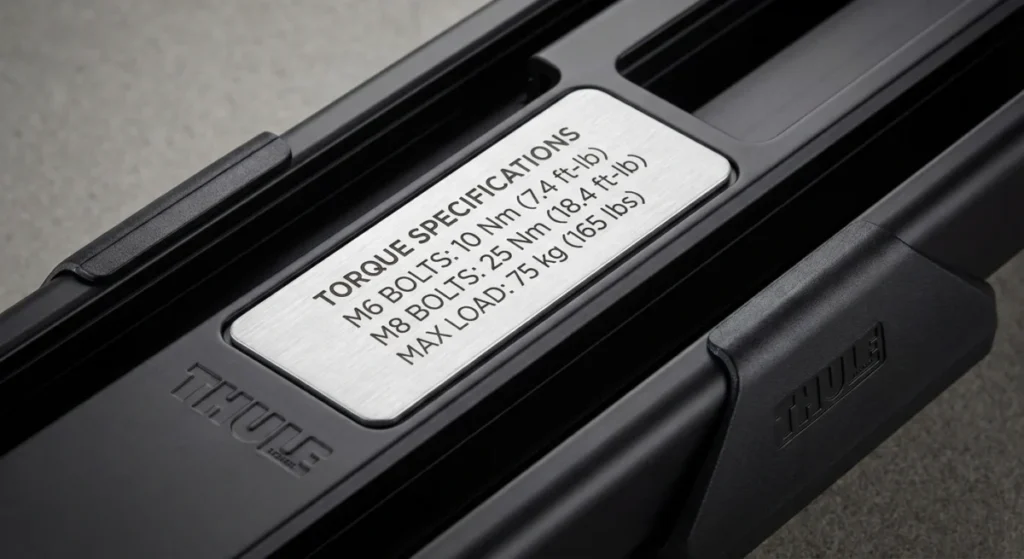
- Torque Wrench Markings: Some roof rack components may have the recommended torque value stamped directly onto them.
Never guess at torque specifications. Always refer to reliable sources to ensure you’re applying the correct force.
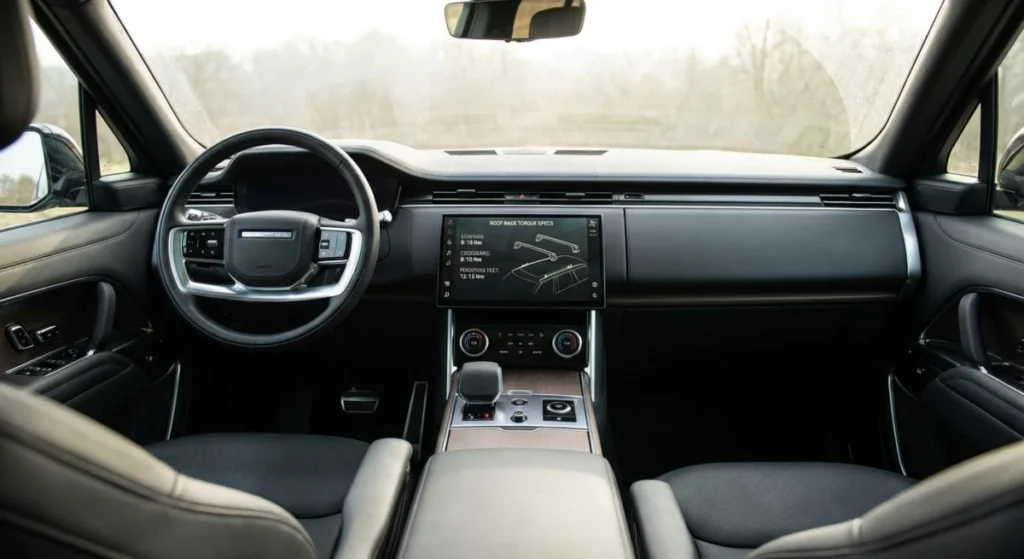
Roof Rack Installation: Torque is Key
Preparing for Installation
Before you even touch a wrench, preparation is key:
- Gather Your Tools: You’ll need a torque wrench (more on that later), sockets that fit your rack’s fasteners, and any other tools specified in the installation manual (e.g., Allen wrenches, screwdrivers).
- Clean Mounting Surfaces: Make sure the roof of your vehicle and the rack’s mounting points are clean and free of dirt, debris, and rust.
- Read the Instructions Carefully: Thoroughly read and understand the installation manual before you start.
- Double-Check Compatibility: Ensure the roof rack is compatible with your vehicle’s make and model.
The Torque Wrench: Your Best Friend
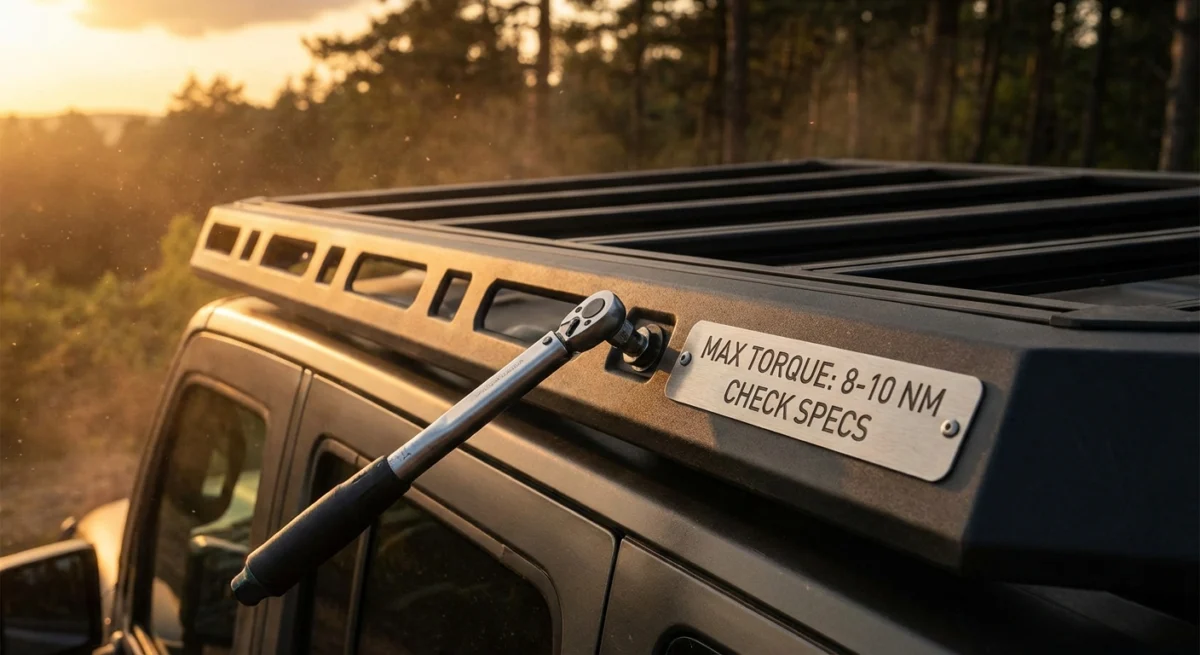
A torque wrench is an essential tool for installing roof racks. It allows you to accurately measure and apply the specified torque.
- Types of Torque Wrenches: There are several types, including:
- Click-Type: This type clicks audibly when the desired torque is reached. It’s the most common type for automotive applications.
- Beam-Type: This type has a pointer that indicates the torque on a scale. It’s less precise than a click-type wrench.
- Digital: This type displays the torque value on a digital screen and often has an audible alarm. It’s the most accurate but also the most expensive.
- Choosing the Right Torque Wrench: Select a torque wrench with a torque range that encompasses the specifications for your roof rack.
- Calibrating Your Torque Wrench: Torque wrenches can lose their accuracy over time. It’s recommended to have them calibrated periodically by a professional.
Step-by-Step Installation with Proper Torque Application
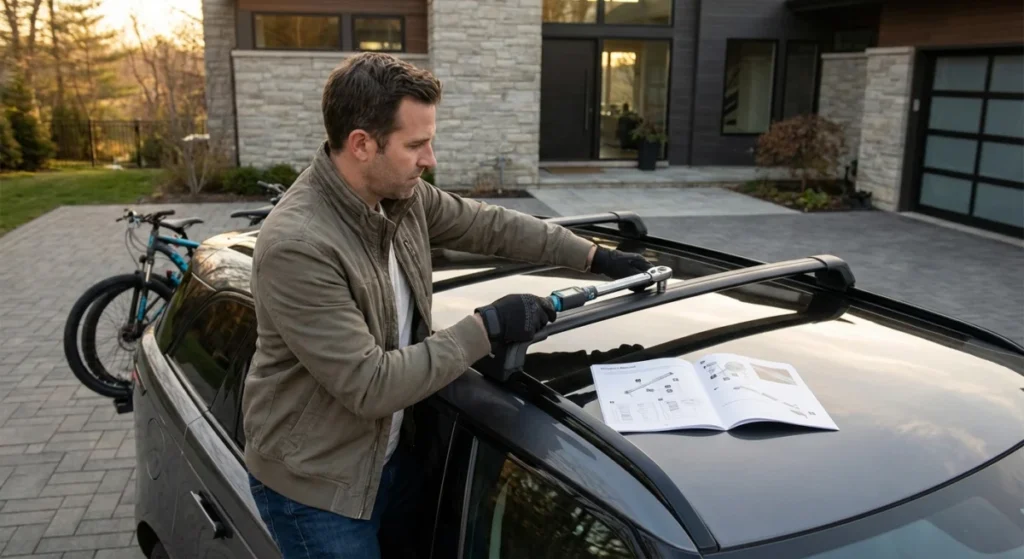
1. Position the Rack: Follow the manufacturer’s instructions for positioning the rack on your vehicle’s roof. 2. Initial Tightening: Hand-tighten all the fasteners to ensure the rack is properly aligned. 3. Torque Application: Using your torque wrench, tighten the fasteners to the specified torque in a crisscross pattern. This ensures even distribution of force. 4. Double-Check: After tightening all the fasteners, double-check the torque values to ensure they are correct.
Roof Rack Maintenance and Care
Regular Inspection
Regular inspection is crucial for maintaining the safety and longevity of your roof rack.
- Visual Inspection: Regularly inspect the rack for signs of damage, such as cracks, rust, or loose components.
- Check Fasteners: Check the tightness of all fasteners, including bolts, screws, and clamps.
- Wind Noise: Pay attention to any unusual wind noise, which can be a sign of a loose rack.
Torque Re-Check
- ⏰ Frequency: Re-check the torque of the fasteners after the first 50-100 miles of driving after installation and then periodically (e.g., every 6 months or before long trips).
- Procedure: Use your torque wrench to re-tighten the fasteners to the specified torque.
Cleaning and Lubrication
- Cleaning: Clean the rack regularly with soap and water to remove dirt, debris, and salt.
- Lubrication: Apply a light coat of lubricant to the threads of the fasteners to prevent corrosion and ensure smooth tightening.
Top Buying Factors for a Safe and Reliable Roof Rack
Compatibility
- Vehicle Specificity: The most important factor is ensuring the rack is specifically designed for your vehicle’s make, model, and year.
- Fit and Dimensions: Double-check the dimensions of the rack to ensure it fits your vehicle’s roof properly.
Load Capacity
- Weight Rating: Choose a rack with a load capacity that meets your needs. Consider the weight of the gear you’ll be carrying.
- Don’t Exceed Limits: Never exceed the rack’s load capacity.
Material and Construction
- Durable Materials: Look for racks made from durable materials such as aluminum or steel.
- Solid Construction: Inspect the rack’s construction for signs of quality workmanship.
Ease of Installation
- Clear Instructions: Choose a rack with clear and easy-to-follow installation instructions.
- Ease of Use: Consider the ease of installation and removal, especially if you plan to use the rack frequently.
Brand Reputation
- ⭐ Reviews and Ratings: Research the brand’s reputation and read reviews from other customers.
- Warranty: Look for a rack with a good warranty.
Essential FAQ
1. Q: Can I use Loctite on roof rack bolts?
- A: It depends. Some manufacturers advise *against* using Loctite as it can affect torque readings and potentially damage certain materials. Always consult the rack’s instructions. If Loctite is approved, use the *specified* type (usually blue, medium-strength).
2. Q: What happens if I can’t find the torque specifications for my old roof rack?
- A: First, try contacting the manufacturer with the model number. If that fails, consult a professional mechanic or a roof rack specialist. As a *very* general guideline, for standard M6 bolts, 8-10 Nm is a reasonable starting point, but this is not a substitute for proper specifications.
3. Q: How often should I re-torque my roof rack bolts?
- A: Re-torque after the first 50-100 miles after installation. Subsequently, check every 6 months or before any long trips. Weather and usage conditions can affect bolt tension.
4. Q: What type of torque wrench is best for roof rack installation?
- A: A click-type torque wrench is generally recommended for its accuracy and ease of use. Ensure the wrench’s torque range covers the specifications for your rack.
5. Q: Can I use an impact driver to tighten roof rack bolts?
- A: Never use an impact driver to tighten roof rack bolts. Impact drivers are designed for high-torque applications and can easily over-tighten and damage the bolts, threads, or rack components. Always use a calibrated torque wrench.
Conclusion
Investing in a roof rack opens up a world of possibilities, allowing you to transport gear safely and efficiently. However, the safety and reliability of your roof rack hinge on proper installation, and that boils down to understanding and adhering to the roof rack torque specifications. By following the guidelines outlined in this guide, you can ensure that your rack is securely mounted, protecting your gear, your vehicle, and yourself. Remember, a little extra care during installation can save you a lot of headaches (and potential accidents) down the road. Happy travels!