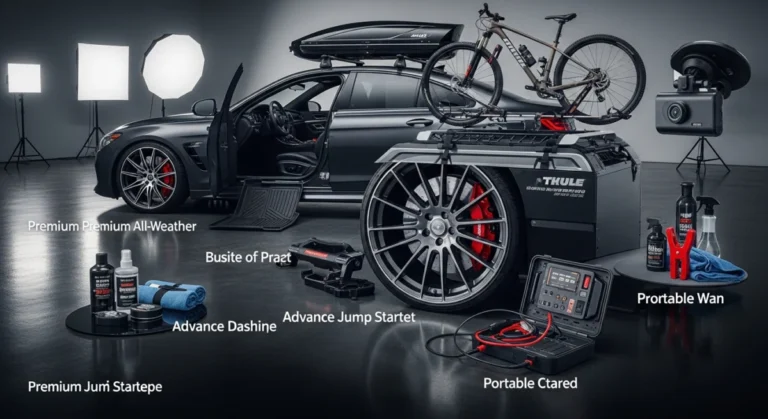
Roof rack systems: the unsung heroes of adventure, cargo hauling, and active lifestyles. Let’s face it, the limited cargo space in most vehicles often forces us to make tough choices: leave behind the bikes, squeeze everyone into a cramped cabin, or make multiple trips. But with the right roof rack, you can reclaim your interior space and unlock a whole new world of possibilities. The global roof rack market is a multi-billion dollar industry, and it’s no surprise, considering the versatility and convenience they provide. So, whether you’re a seasoned outdoor enthusiast or simply need extra room for luggage, this comprehensive guide will equip you with the knowledge to choose, install, and maintain the perfect roof rack system for your needs.
Understanding Roof Rack Systems
A roof rack system isn’t just a single component; it’s typically a combination of parts designed to safely and securely carry cargo on your vehicle’s roof. At its core, a roof rack system consists of towers, crossbars, and sometimes fit kits.
How it Works
The towers are the feet of the system, attaching to specific points on your vehicle’s roof. These attachment points vary depending on the vehicle’s design and can include factory-installed mounting points, door frames, or rain gutters. The towers then connect to the crossbars, which run horizontally across the roof. These crossbars are what you’ll use to secure your cargo, whether it’s a cargo box, kayak carrier, bike rack, or lumber. A fit kit (sometimes integrated into the towers) is a vehicle-specific component that ensures a secure and precise connection between the towers and your vehicle’s roof. The entire system works together to distribute the weight of the cargo evenly across the roof, preventing damage and ensuring safe transport.
Benefits and Key Features
The benefits of investing in a quality roof rack system extend far beyond simply providing extra storage space.
- Increased Cargo Capacity: The most obvious benefit is the expanded carrying capacity. Roof racks allow you to transport items that simply won’t fit inside your vehicle.
- Versatility: Roof racks are incredibly versatile. With the right accessories, you can carry almost anything, from bikes and kayaks to skis, snowboards, luggage, and construction materials.
- Improved Interior Comfort: By moving bulky items to the roof, you free up valuable space inside your vehicle, making long trips more comfortable for passengers.
- Enhanced Vehicle Aesthetics: Many modern roof rack systems are designed to complement the vehicle’s appearance, adding a touch of ruggedness or sophistication.
- Protection: When using the right cargo management accessories like straps and nets, roof racks ensure your gear is protected from the elements and securely attached during transport.
Key features to consider when evaluating roof rack systems include:
- Load Capacity: This is the maximum weight the rack is designed to safely carry. Exceeding the load capacity can damage the rack, the vehicle, and create a dangerous driving situation. Always check your vehicle’s roof load limit as well, as it might be lower than the rack’s rated capacity.
- Aerodynamic Design: An aerodynamic design minimizes wind resistance and noise, improving fuel economy and reducing drag.
- Durability: Look for racks made from high-quality materials like aluminum or steel, designed to withstand the elements and heavy use.
- Compatibility: Ensure the rack is compatible with your vehicle’s make, model, and year.
- Ease of Installation: Some racks are easier to install than others. Consider your mechanical abilities and choose a system that you can confidently install yourself, or seek professional assistance.
- Locking Mechanisms: Locking towers and accessories can deter theft and provide added security for your valuable gear.
- Crossbar Style: Crossbars come in various shapes: square, round, and aerodynamic (elliptical or wing-shaped). Aerodynamic crossbars offer the best performance in terms of noise reduction and fuel efficiency but might be more expensive.
Installation Tips
Installing a roof rack system can seem daunting, but with the right tools and instructions, it’s often a straightforward process.
- Read the Instructions: This may seem obvious, but it’s crucial to thoroughly read and understand the manufacturer’s instructions before you begin. Each roof rack system is different, and the instructions will provide specific guidance for your vehicle.
- Gather Your Tools: Assemble all the necessary tools before you start. Typically, you’ll need wrenches, screwdrivers, measuring tape, and possibly a torque wrench.
- Clean the Roof: Before attaching the towers, thoroughly clean the areas of your vehicle’s roof where the towers will be mounted. This will ensure a secure and long-lasting bond.
- Use a Torque Wrench: Many roof rack systems require specific torque settings for the bolts. Using a torque wrench will prevent over-tightening, which can damage the rack or your vehicle.
- Double-Check Everything: After installation, double-check that all bolts are tightened and that the rack is securely attached to your vehicle.
- Test the Rack (Carefully): Before loading any cargo, take a short test drive to ensure that the rack is stable and secure. Listen for any unusual noises and check the attachment points.
Maintenance and Care
Proper maintenance and care will extend the life of your roof rack system and ensure its continued performance.
- Regular Cleaning: Wash the rack regularly with soap and water to remove dirt, grime, and road salt, which can corrode the metal components.
- Inspect Regularly: Periodically inspect the rack for any signs of damage, such as cracks, rust, or loose bolts.
- Tighten Bolts: Check the tightness of all bolts regularly, especially after long trips or carrying heavy loads.
- Lubricate Moving Parts: Lubricate any moving parts, such as locking mechanisms, with a silicone-based lubricant to keep them functioning smoothly.
- Remove When Not in Use: If you’re not using the rack regularly, consider removing it to reduce wind resistance and improve fuel economy. Store it in a dry place.
- UV Protection: Consider applying a UV protectant to plastic or rubber components to prevent them from cracking or fading in the sun.
Top Buying Factors
Choosing the right roof rack system involves considering a variety of factors to ensure it meets your specific needs and budget.
- Vehicle Compatibility: This is the most critical factor. Ensure the rack is specifically designed for your vehicle’s make, model, and year. Use the manufacturer’s fit guide or consult with a professional to verify compatibility.
- Budget: Roof rack systems range in price from a few hundred dollars to over a thousand. Set a budget beforehand and stick to it.
- Cargo Needs: Consider the type and amount of cargo you’ll be carrying. If you plan on carrying bikes or kayaks, choose a rack that is compatible with those accessories.
- Frequency of Use: If you’ll be using the rack frequently, invest in a higher-quality system that is durable and easy to use.
- Aesthetics: While functionality is paramount, choose a rack that complements the appearance of your vehicle.
- Noise and Aerodynamics: If you’re sensitive to noise, or concerned about fuel economy, opt for an aerodynamic crossbar design and a rack with a low profile.
- Brand Reputation: Research different brands and read reviews to get an idea of their quality and reliability. Established brands like Thule, Yakima, and Rhino-Rack are generally considered reputable.
Essential FAQs
Here are some frequently asked questions about roof rack systems:
1. How much weight can my roof rack carry? This depends on the rack’s load capacity and your vehicle’s roof load limit. Always consult both manuals and use the lower of the two values. 2. Can I install a roof rack myself? Many roof racks are designed for DIY installation, but it depends on your mechanical skills and the complexity of the system. If you’re unsure, seek professional installation. 3. Will a roof rack damage my car’s roof? If installed correctly and used within its load capacity, a roof rack shouldn’t damage your car’s roof. Regularly inspect the attachment points and tighten bolts as needed. 4. Are all roof rack accessories compatible? No, not all accessories are universally compatible. Check the accessory’s specifications and ensure it’s compatible with your roof rack’s crossbar type and load capacity. 5. How do I prevent my roof rack from being stolen? Choose a roof rack with locking towers and consider using locking accessories for your gear.
In conclusion, a roof rack system is a worthwhile investment for anyone seeking to expand their vehicle’s cargo capacity and embrace an active lifestyle. By understanding the different types of systems, considering your specific needs, and following proper installation and maintenance procedures, you can choose a roof rack that will provide years of reliable service and unlock a new world of adventure.