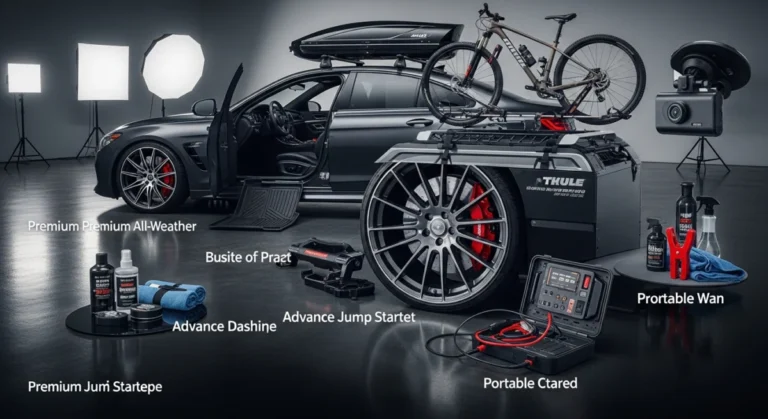
Let’s talk roof boxes. Think about this: You’re cruising down the highway, packed to the gills with vacation gear, kids are happy (for now), and then *WHAM!* A sudden gust of wind throws your vehicle around. That roof box, while adding crucial cargo space, just became a liability. In fact, studies have shown that poorly designed or improperly installed roof boxes can increase a vehicle’s susceptibility to crosswinds by up to 30%, significantly impacting handling and fuel economy. This guide is all about understanding and mitigating the impact of wind on your roof box, ensuring safer, more comfortable, and more efficient travels.
Understanding Roof Box Wind Stability
What is Roof Box Wind Stability and How Does it Work?
Roof box wind stability refers to a roof box’s ability to resist the forces exerted by wind, particularly at highway speeds. This isn’t just about preventing the box from flying off (though that’s crucial!); it’s also about minimizing the impact of the box on your vehicle’s handling and fuel efficiency. Several factors contribute to wind stability:
- Aerodynamic Design: The shape of the roof box is paramount. A streamlined, low-profile design minimizes drag and lift, reducing the force of the wind trying to push the box upwards or sideways. Think teardrop shapes and smooth contours.
- Mounting System: The way the roof box attaches to your roof rack plays a vital role. A secure and stable mounting system prevents the box from shifting or vibrating in the wind, which can compromise handling and even damage the roof rack.
- Material Properties: The stiffness and weight of the box’s materials also matter. Stiffer materials resist deformation under wind pressure, while a strategically weighted box can help lower the vehicle’s center of gravity slightly, improving stability.
Essentially, a stable roof box works by smoothly redirecting airflow around the vehicle, minimizing resistance, and remaining securely attached to the roof rack in all conditions.
Benefits and Key Features Enhancing Wind Stability
A roof box with good wind stability offers a multitude of benefits:
- Improved Vehicle Handling: Reduced susceptibility to crosswinds means more predictable and safer handling, especially at high speeds or in gusty conditions.
- Enhanced Fuel Efficiency: Less drag translates to better gas mileage. While you’ll still experience some fuel consumption increase compared to driving without a roof box, a stable design minimizes the impact.
- Reduced Noise: Aerodynamic designs minimize wind noise, making for a more comfortable and quieter ride.
- Increased Safety: A stable roof box is less likely to become dislodged in strong winds or during sudden maneuvers, preventing potential accidents.
- Durability: Boxes designed with wind resistance in mind often feature sturdier construction, making them more durable and resistant to wear and tear.
Key features to look for include:
- Diffuser Technology: Some high-end roof boxes incorporate diffusers similar to those found on race cars. These guide airflow more efficiently, reducing drag and lift.
- Airfoil Shapes: Look for boxes with cross-sectional profiles resembling airplane wings. These designs naturally minimize wind resistance.
- Integrated Spoilers: Small spoilers at the rear of the box can help smooth airflow and reduce turbulence.
- Textured Surfaces: Some manufacturers use textured surfaces to disrupt laminar airflow and reduce drag.
- Robust Mounting Systems: Ensure the box has a secure and easy-to-use mounting system with multiple attachment points.
Installation Tips for Optimal Wind Stability
Proper installation is crucial for maximizing roof box wind stability. Even the most aerodynamic box will perform poorly if installed incorrectly.
- Read the Instructions: This seems obvious, but carefully read and follow the manufacturer’s instructions. Torque specifications are particularly important.
- Positioning: Mount the roof box as far back as possible, without interfering with the tailgate or hatch. This minimizes its impact on the vehicle’s front-end aerodynamics.
- Symmetry: Ensure the box is centered on the roof rack. An off-center box can create uneven wind loading, affecting stability.
- Tightening: Double-check all mounting hardware after the first few miles of driving, as vibrations can cause them to loosen.
- Roof Rack Compatibility: Ensure the roof box is compatible with your specific roof rack system. Overloading the rack can compromise its structural integrity and stability.
- Professional Installation: If you are unsure about any aspect of the installation process, consider having a professional install the roof box for you.
Maintenance and Care for Long-Term Wind Stability
Proper maintenance will help maintain your roof box’s wind stability and extend its lifespan.
- Regular Cleaning: Clean the roof box regularly to remove dirt, debris, and insects that can disrupt airflow and increase drag.
- Inspection: Inspect the box and mounting hardware regularly for signs of damage, such as cracks, loose screws, or worn straps.
- Storage: When not in use, store the roof box in a dry, protected environment. Avoid prolonged exposure to sunlight, which can degrade the plastic.
- Lubrication: Lubricate the locking mechanisms and hinges periodically to ensure smooth operation.
- Tighten Hardware: Re-torque all mounting hardware annually to ensure it remains secure.
- Sealant Inspection: Examine any weather seals or gaskets for cracks or damage and replace them as needed.
Top Buying Factors for Wind Stability in a Roof Box
When choosing a roof box, consider these factors to prioritize wind stability:
- Aerodynamic Design: Look for a low-profile, streamlined shape with smooth contours.
- Material Quality: Choose a box made from durable, weather-resistant materials that won’t deform easily under wind pressure. ABS plastic is a good choice.
- Mounting System: Opt for a secure and easy-to-use mounting system with multiple attachment points. Clamps that wrap completely around the crossbars provide superior stability.
- Brand Reputation: Research the manufacturer’s reputation for quality and performance. Read reviews from other users to see how the box performs in real-world conditions.
- Load Capacity: While important, prioritize aerodynamic design and stability over maximum load capacity. A smaller, more aerodynamic box is often a better choice than a larger, less stable one.
- Dimensions: Choose a size that fits your needs without being excessively large, as larger boxes are generally more susceptible to wind forces.
- Integrated Features: Look for features like diffusers, spoilers, and textured surfaces that enhance wind stability.
- Weight of the Box Itself: A lighter box can make installation easier, but ensure the materials used are still sufficiently rigid.
- Noise Levels: While difficult to assess before purchase, read reviews that comment on wind noise levels. A quieter box usually indicates better aerodynamic performance.
- Price: While not directly related to wind stability, consider your budget. A higher price tag often reflects better materials, design, and features, which can contribute to improved stability. But consider all of the above before just going for the most expensive item.
Essential FAQs About Roof Box Wind Stability
- Q: Will a roof box always negatively affect my fuel economy?
- A: Yes, any roof box will increase drag and reduce fuel economy to some extent. However, a well-designed, aerodynamically efficient box will minimize the impact.
- Q: How much does wind speed affect roof box stability?
- A: The impact of wind increases exponentially with speed. A small increase in wind speed can result in a significant increase in the force exerted on the roof box.
- Q: Can I reinforce my roof box to improve its stability?
- A: It’s generally not recommended to modify your roof box, as this can void the warranty and compromise its structural integrity. Focus on choosing a stable box and installing it correctly.
- Q: Are some roof boxes inherently more stable than others, regardless of design?
- A: Yes, the design is paramount. Lower profile designs that are as long as possible are typically more stable than taller, wider ones. Think of them like the difference between a sports car and a van in a crosswind.
- Q: Can I use a roof box in very windy conditions?
- A: Yes, but exercise caution. Reduce your speed and be aware of crosswinds. If conditions become too severe, consider postponing your trip or removing the roof box.
Conclusion
Choosing a roof box is more than just picking a container for your gear. Understanding and prioritizing wind stability is paramount for safety, fuel efficiency, and overall driving comfort. By considering the factors outlined in this guide, you can select a roof box that performs well in all conditions, ensuring a safer and more enjoyable journey for you and your passengers. Remember, a stable roof box is an investment in peace of mind. Happy travels!