Roof boxes: The Ultimate Guide to Expanding Your Vehicle’s Cargo Capacity
Are you tired of cramming luggage, sports equipment, and camping gear into your car, leaving passengers feeling like sardines? You’re not alone. A staggering number of drivers face this exact problem, especially during road trips and outdoor adventures. According to recent market research, the roof box industry is experiencing substantial growth, projected to reach billions in the coming years, signifying the increasing demand for extra cargo space solutions. The answer? A roof box, also known as a cargo box or car top carrier. This comprehensive guide will equip you with everything you need to know about these versatile accessories, helping you make an informed decision and maximize your vehicle’s carrying potential.
What is a Roof Box and How Does it Work?
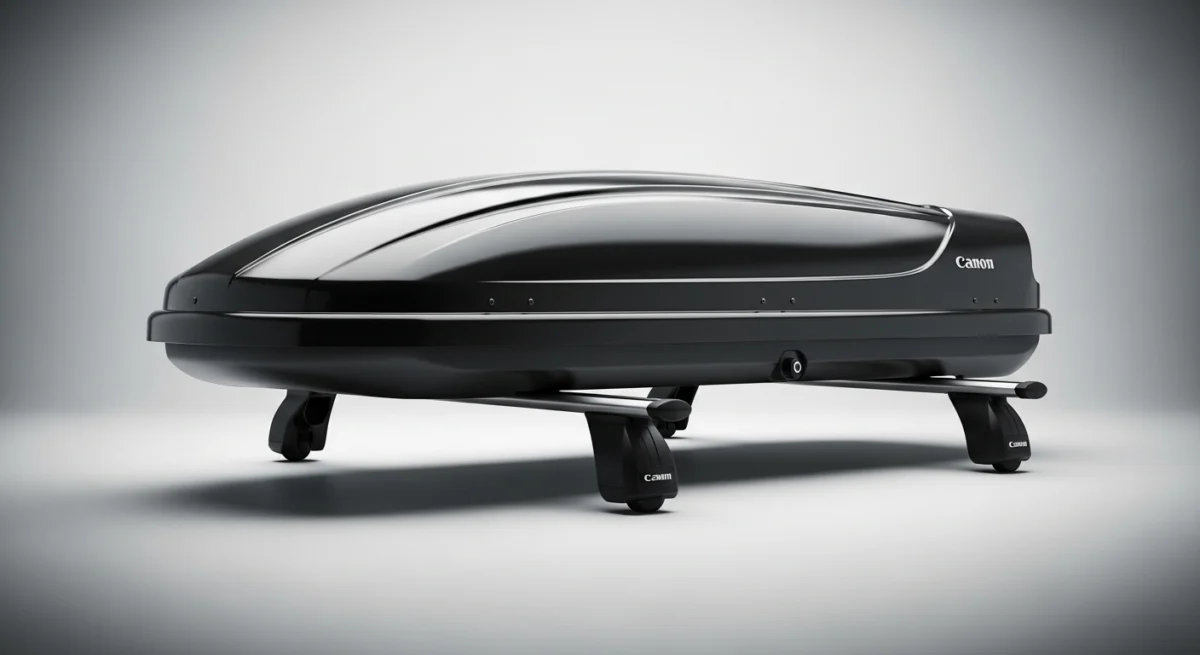
A roof box is essentially a weatherproof container designed to be mounted on the roof of a vehicle, providing additional storage space for cargo. They come in various shapes, sizes, and materials, but the fundamental principle remains the same: to expand your vehicle’s carrying capacity without compromising passenger comfort or safety.
How it Works: Mounting and Accessibility
Roof boxes attach to your vehicle using roof racks, which are crossbars spanning the width of your vehicle’s roof. These racks are crucial; the roof box clamps or mounting hardware secure the box to these crossbars.
Accessibility is key. Most roof boxes feature a hinged lid that allows you to easily load and unload cargo from the side or rear of the vehicle. Some premium models offer dual-side opening for even greater convenience.
Benefits and Key Features of Roof Boxes
The advantages of using a roof box extend far beyond simply increasing cargo space. Let’s delve into the key benefits and features that make them a worthwhile investment:
- Increased Cargo Capacity: The most obvious benefit. Frees up space inside the vehicle for passengers and pets.
- Weather Protection: Keeps your belongings safe from rain, snow, dust, and other elements.
- Security: Many models come with locking mechanisms to deter theft.
- Improved Fuel Efficiency (Potentially): By carrying cargo externally, you reduce clutter inside the vehicle, potentially improving aerodynamics and fuel economy compared to overloaded interiors. (Note: a poorly designed box can hurt fuel economy).
- Versatility: Suitable for a wide range of items, including luggage, skis, snowboards, camping gear, and more.
- Ease of Use: Relatively easy to install and remove, allowing you to use them only when needed.
Key Features to Look For:
- Aerodynamic Design: Minimizes wind resistance and noise, contributing to better fuel efficiency.
- Durable Construction: Look for boxes made from high-quality materials like ABS plastic or reinforced composites.
- Secure Mounting System: Ensures the box stays firmly attached to your roof rack, even at high speeds.
- Locking Mechanism: Provides security and peace of mind.
- Opening Mechanism: Single or dual-side opening for easy access to cargo.
- Internal Straps and Tie-Down Points: Helps to secure cargo and prevent it from shifting during transit.
- Size and Capacity: Choose a box that’s appropriately sized for your vehicle and your typical cargo needs.
- UV Resistance: Prevents the box from fading or cracking due to sun exposure.
Installation Tips for Roof Boxes
Proper installation is paramount for safety and optimal performance. While professional installation is an option, many users successfully install roof boxes themselves.
- Read the Instructions: Always consult the manufacturer’s instructions before attempting to install your roof box.
- Gather Your Tools: You’ll typically need a wrench or socket set, a measuring tape, and possibly a torque wrench.
- Assemble the Roof Rack: Ensure your roof rack is properly installed and compatible with your vehicle. Verify weight limits of the roof rack and vehicle roof.
- Position the Roof Box: Carefully lift the roof box onto the roof rack, centering it between the crossbars. Two people are highly recommended for this step.
- Attach the Mounting Hardware: Secure the box to the crossbars using the provided clamps or mounting hardware. Follow the manufacturer’s torque specifications to avoid over-tightening.
- Double-Check the Installation: Ensure all clamps and hardware are securely fastened before driving.
- Test Drive: Take a short test drive at low speeds to check for any unusual noises or vibrations.
- Height Awareness: Be aware of the added height of your vehicle when entering parking garages or driving under low bridges.
Maintenance and Care of Your Roof Box
Proper maintenance will prolong the life of your roof box and keep it looking its best.
- Regular Cleaning: Wash the box with soap and water to remove dirt, dust, and grime.
- UV Protection: Apply a UV protectant spray to prevent fading and cracking.
- Inspect Mounting Hardware: Regularly check the mounting hardware for signs of wear or corrosion.
- Store Properly: When not in use, store the box in a cool, dry place, preferably indoors. A cover can help protect it from dust and scratches.
- Lubricate Locks: Periodically lubricate the locking mechanism with a silicone-based lubricant.
- Avoid Overloading: Never exceed the maximum weight capacity of the roof box.
- Check for Cracks: Inspect the box for any cracks or damage, especially after long trips.
Top Buying Factors for Roof Boxes
Choosing the right roof box requires careful consideration of several factors:
- Vehicle Compatibility: Ensure the roof box is compatible with your vehicle’s roof rack system.
- Size and Capacity: Determine the appropriate size based on your typical cargo needs. Consider the length, width, and height of the box.
- Weight Capacity: Pay attention to the maximum weight capacity of the box and your vehicle’s roof.
- Material and Durability: Opt for a box made from high-quality, durable materials that can withstand the elements.
- Aerodynamic Design: Choose a box with an aerodynamic shape to minimize wind resistance and noise.
- Ease of Installation and Removal: Look for a box with a user-friendly mounting system.
- Security Features: Consider models with locking mechanisms and other security features.
- Price: Roof boxes range in price from budget-friendly to premium models. Set a budget and choose a box that offers the best value for your money.
- Warranty: Check the manufacturer’s warranty for peace of mind.
- Reviews: Read online reviews to get insights from other users.
Essential FAQs About Roof Boxes
Here are some frequently asked questions about roof boxes:
Q: Will a roof box affect my gas mileage? A: Yes, a roof box can potentially impact fuel economy. Aerodynamic models minimize the effect, but any added wind resistance will typically result in a slight decrease in MPG. Driving speed, box size, and vehicle type will also influence the extent of the impact.
Q: Are roof boxes waterproof? A: Most modern roof boxes are highly water-resistant, designed to withstand rain and snow. However, it’s essential to ensure the lid is properly sealed and that there are no cracks or damage to the box. Consider using waterproof bags inside for extra protection of sensitive items.
Q: Can I leave a roof box on my car all the time? A: While you *can* leave a roof box on your car permanently, it’s generally not recommended. Leaving it on continuously can increase wear and tear on the box, reduce fuel economy, and potentially attract unwanted attention. Removing it when not in use is advisable.
Q: How much weight can I put in a roof box? A: The maximum weight capacity varies depending on the model. Always refer to the manufacturer’s specifications and never exceed the recommended weight limit. Also, check your vehicle’s roof load limit.
Q: What is the difference between a roof box and a roof bag? A: A roof box is a rigid container, typically made of plastic or composite materials, providing superior weather protection and security. A roof bag, on the other hand, is a soft-sided container made of fabric, generally more affordable and easier to store, but offering less protection from the elements and potential theft.
Conclusion
Investing in a roof box can significantly enhance your vehicle’s practicality and versatility, making road trips and outdoor adventures more enjoyable and stress-free. By carefully considering the factors outlined in this guide, you can confidently choose the right roof box for your needs, ensuring years of reliable service and expanded cargo capacity. So, pack your bags, hit the road, and enjoy the journey!