A car packed to the brim with luggage, kids fighting over space, and the family dog vying for a window seat – sound familiar? This is the reality for many families embarking on road trips. A roof box offers a fantastic solution to this space crunch, providing additional storage for everything from camping gear to skis. However, adding a roof box significantly impacts your vehicle’s center of gravity (CG), and understanding this effect is crucial for safe and enjoyable travels. This guide will delve into the intricacies of roof boxes and how they interact with your vehicle’s CG, providing you with the knowledge to choose, install, and use a roof box safely and effectively.
Understanding the Roof Box and its Impact on Vehicle Dynamics
What is a Roof Box and How Does it Work?
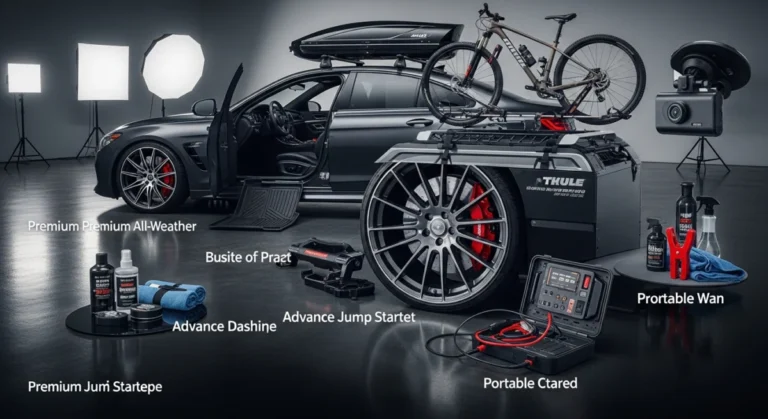
A roof box, also known as a cargo carrier or roof top carrier, is a weatherproof container designed to be mounted on the roof of a vehicle. Typically constructed from durable plastics like ABS or polyethylene, they come in various sizes and shapes to accommodate different storage needs. They work by providing an enclosed, lockable space for carrying items that either don’t fit inside the car or are better kept outside due to space limitations or potential mess. They attach to your vehicle using roof bars or crossbars, which in turn attach to factory-installed roof rails or specific mounting points on the roof of your car.
Understanding the Center of Gravity (CG)
The center of gravity (CG) is the theoretical point on an object where its entire weight is concentrated. For a vehicle, it’s the point around which the car will rotate or tilt when subjected to external forces like cornering, braking, or uneven road surfaces. The lower the CG, the more stable the vehicle. Raising the CG, even by a relatively small amount, makes the vehicle more susceptible to rollover and reduces handling precision.
How a Roof Box Affects the Center of Gravity
Adding a roof box and loading it with gear raises the vehicle’s center of gravity. This increase in height directly affects the vehicle’s stability, making it more prone to tipping, especially during sharp turns or sudden maneuvers. The degree of impact depends on several factors:
- Weight of the Roof Box and its Contents: The heavier the load, the higher the CG is raised.
- Height of the Roof Box: A taller roof box contributes more to raising the CG.
- Vehicle Type: SUVs and trucks generally have a higher CG than sedans and wagons to begin with, meaning the addition of a roof box will have a relatively smaller percentage change to the overall CG, but it’s still a factor. Conversely, a smaller hatchback will be impacted more.
Benefits and Key Features of Roof Boxes
Expanding Storage Capacity
The most obvious benefit is the significant increase in storage space, allowing you to comfortably transport luggage, sporting equipment, and other bulky items without sacrificing passenger comfort.
Weather Protection
Roof boxes are designed to be weatherproof, protecting your belongings from rain, snow, wind, and dust. This is especially important for items that could be damaged by exposure to the elements.
Aerodynamic Design
Many modern roof boxes are designed with aerodynamics in mind, minimizing wind resistance and noise. Look for features like tapered shapes and integrated spoilers.
Security
Roof boxes offer a secure and lockable storage solution, deterring theft and providing peace of mind when leaving your vehicle unattended.
Variety of Sizes and Shapes
Roof boxes come in a wide range of sizes and shapes, catering to different needs and vehicle types. Consider the length of items you’ll be carrying (skis, snowboards) and the overall capacity you require.
Installation Tips for Roof Boxes
Choosing the Right Roof Bars/Crossbars
Ensure your roof bars are compatible with your vehicle and the roof box. Consult your vehicle’s owner’s manual and the roof box manufacturer’s specifications. The crossbars must be able to hold the combined weight of the roof box itself and the intended cargo.
Proper Placement
Position the roof box correctly on the crossbars, following the manufacturer’s instructions. Ensure it’s centered and securely fastened to prevent shifting during travel. Pay close attention to the recommended spacing between the crossbars. Too much or too little distance can weaken the system’s integrity.
Tightening and Securing
Double-check all mounting hardware to ensure it’s properly tightened. Over-tightening can damage the roof box or crossbars. Use a torque wrench if recommended. After driving a short distance (e.g., 50 miles), re-check the tightness of all fasteners.
Weight Distribution
Distribute the weight evenly inside the roof box, placing heavier items towards the center and lower down. This helps maintain balance and minimizes the impact on the vehicle’s CG. Avoid concentrating weight at the front or rear of the box.
Height Considerations
Be aware of the added height of your vehicle with the roof box installed. This is crucial for navigating bridges, tunnels, and parking garages. Measure the total height and keep it in mind while driving.
Maintenance and Care of Your Roof Box
Regular Cleaning
Clean your roof box regularly with soap and water to remove dirt, grime, and insects. This helps maintain its appearance and prevents damage.
Inspection
Inspect the roof box and mounting hardware periodically for any signs of damage or wear. Check for cracks, dents, or loose fasteners.
Storage
When not in use, store the roof box in a dry, protected area. This helps prevent damage from weather and UV exposure. Consider using a cover to protect it from dust and scratches.
Lubrication
Lubricate the locks and hinges of the roof box periodically to ensure smooth operation. Use a silicone-based lubricant.
Top Buying Factors for Roof Boxes
Size and Capacity
Choose a roof box that provides sufficient storage space for your needs without being excessively large or bulky. Consider the overall dimensions and internal volume.
Weight Limit
Pay attention to the weight limit of the roof box and the roof bars. Never exceed the maximum weight capacity.
Aerodynamics
Look for a roof box with an aerodynamic design to minimize wind resistance and noise.
Material and Durability
Choose a roof box made from durable materials that can withstand the elements. ABS plastic is a common and reliable choice.
Mounting System
Ensure the roof box has a secure and easy-to-use mounting system that is compatible with your vehicle’s roof bars.
Lockability
Opt for a roof box with a robust locking mechanism to deter theft.
Ease of Use
Consider features like gas struts for easy opening and closing, and interior tie-down straps to secure your cargo.
Price
Roof box prices vary widely depending on size, features, and brand. Set a budget and compare different options to find the best value.
Brand Reputation
Opt for a reputable brand known for quality and reliability. Look at reviews and consider manufacturer warranties. Thule, Yakima, and SportRack are all well-known and respected brands.
Essential FAQs About Roof Boxes and Vehicle Center of Gravity
Q: How much does a roof box affect my gas mileage?
A: A roof box will typically reduce your gas mileage due to increased wind resistance. The exact impact varies depending on the size and shape of the box, your driving speed, and the vehicle itself. Expect a decrease of anywhere from 1 to 5 MPG. Optimizing your speed and removing the box when not in use can mitigate this effect.
Q: Is it safe to drive with a roof box in windy conditions?
A: Yes, but you should be extra cautious. High winds can amplify the effects of the raised center of gravity, making the vehicle more susceptible to swaying. Reduce your speed and avoid sudden maneuvers. If the wind is exceptionally strong, consider postponing your trip.
Q: Can I use any roof box on any car?
A: No. You need to ensure that the roof box is compatible with your vehicle’s roof rack system and that the roof rack system is rated to handle the combined weight of the box and your cargo. Consult your vehicle’s owner’s manual and the roof box manufacturer’s specifications.
Q: How do I know if I’ve exceeded the weight limit for my roof box?
A: Exceeding the weight limit can compromise safety. Always refer to the weight limits listed on the roof box, the roof bars, and in your vehicle’s owner’s manual. Weigh your cargo before loading it into the box to ensure you stay within the specified limits. A portable luggage scale is helpful for this.
Q: Should I remove the roof box when not in use?
A: Yes, removing the roof box when not in use offers several benefits. It improves fuel efficiency by reducing wind resistance, reduces wear and tear on the box and mounting hardware, and eliminates the added height restriction.
Conclusion
A roof box can be an invaluable addition for anyone needing extra cargo space. However, understanding its impact on your vehicle’s center of gravity is paramount for safe and responsible use. By carefully considering the weight, distribution, and installation of your roof box, and by driving accordingly, you can enjoy the added storage capacity without compromising safety or handling. Remember to prioritize safety, follow manufacturer guidelines, and adjust your driving habits to account for the increased height and altered handling characteristics of your vehicle. Happy travels!