Roof Box and Parking Structures: A Guide to Navigating the Tight Spots
Imagine this: You’re packed and ready for that long-awaited road trip, the car brimming with luggage, camping gear, and the kids’ favorite toys. The only problem? You forgot to factor in the parking garage at your destination. Suddenly, that spacious SUV feels a whole lot smaller, and your roof box feels like a precarious skyscraper. According to a recent survey, over 60% of roof box owners have experienced anxiety related to height restrictions in parking structures. This guide is here to alleviate that anxiety and equip you with the knowledge to confidently navigate the world of roof boxes and parking garages.
Understanding Roof Boxes
What is a Roof Box and How Does It Work?
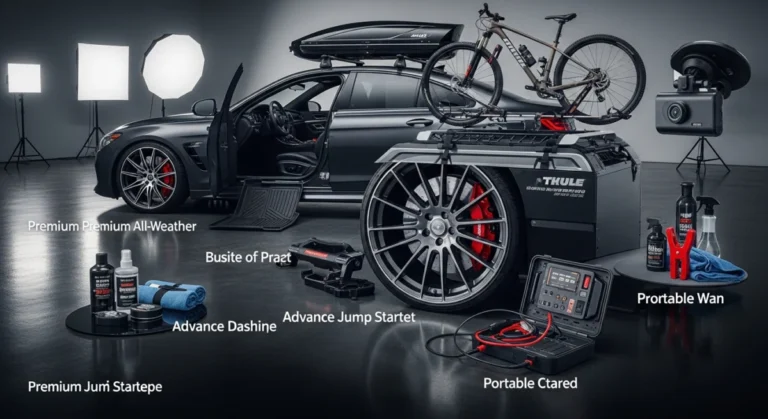
A roof box, also known as a cargo carrier or roof luggage carrier, is an enclosed container mounted on the roof of a vehicle to provide additional storage space. It typically works by attaching to existing roof rails or crossbars on your car. The aerodynamic shape of the box is designed to minimize wind resistance and noise during travel. Think of it as a weatherproof extension of your car’s trunk, ideal for skis, snowboards, camping equipment, luggage, and other bulky items.
Benefits and Key Features
Roof boxes offer a plethora of benefits:
- Increased Storage Capacity: The most obvious advantage is the extra space for your belongings, freeing up valuable room inside the vehicle for passengers and comfort.
- Protection from the Elements: Roof boxes keep your gear dry, clean, and protected from rain, snow, dust, and sun.
- Security: Many roof boxes come with locking mechanisms, providing added security for your valuables while traveling or parked.
- Aerodynamic Design: Modern roof boxes are designed with aerodynamics in mind, reducing wind resistance and minimizing the impact on fuel efficiency (although some impact is inevitable).
- Versatility: Suitable for a wide range of activities, from family vacations to ski trips to camping adventures.
Key features to look for include:
- Size and Capacity: Measured in liters or cubic feet, choose a size that meets your storage needs without being excessively large.
- Mounting System: Ensure compatibility with your vehicle’s roof rails or crossbars. Consider the ease of installation and removal.
- Material: Look for durable and weather-resistant materials like ABS plastic or other high-quality polymers.
- Opening Mechanism: Boxes can open from the side, rear, or both. Consider which opening style best suits your loading and unloading needs.
- Locking System: A secure locking mechanism is essential for preventing theft.
- Aerodynamic Profile: A sleek, aerodynamic design minimizes wind resistance and noise.
Installation Tips
While professional installation is often available, many roof boxes are designed for DIY installation. Here are some tips:
- Read the Instructions: Carefully read the manufacturer’s instructions before beginning installation.
- Gather Your Tools: Make sure you have all the necessary tools, such as wrenches, screwdrivers, and measuring tape.
- Proper Alignment: Ensure the roof box is properly aligned on the crossbars and that the mounting hardware is securely tightened.
- Weight Distribution: Distribute the weight evenly inside the box to prevent instability.
- Double-Check: After installation, double-check all mounting points and hardware to ensure they are secure.
- Test Drive: Take a short test drive to ensure the roof box is stable and there are no unusual noises.
Maintenance and Care
Proper maintenance will extend the life of your roof box:
- Regular Cleaning: Clean the roof box regularly with mild soap and water to remove dirt, dust, and grime.
- UV Protection: Apply a UV protectant to prevent fading and cracking from sun exposure.
- Inspect Mounting Hardware: Regularly inspect the mounting hardware for signs of wear or corrosion.
- Lubricate Locks: Lubricate the locking mechanism to ensure smooth operation.
- Proper Storage: When not in use, store the roof box in a dry, protected area. Consider covering it to prevent dust accumulation.
Top Buying Factors
When choosing a roof box, consider these factors:
- Budget: Roof boxes range in price from a few hundred dollars to over a thousand. Set a budget and stick to it.
- Size: Choose a size that meets your storage needs without being too large or too small.
- Vehicle Compatibility: Ensure the roof box is compatible with your vehicle’s roof rails or crossbars.
- Durability: Look for a roof box made from durable, weather-resistant materials.
- Security: Choose a roof box with a secure locking mechanism.
- Aerodynamics: Consider the aerodynamic profile of the roof box to minimize wind resistance.
- User Reviews: Read user reviews to get an idea of the roof box’s performance and reliability.
Roof Boxes and Parking Structures: The Height Hurdle
Navigating parking structures with a roof box requires careful planning and attention. Height restrictions are often posted at the entrance, but it’s crucial to understand what those numbers mean in relation to your vehicle’s *actual* height with the roof box installed.
Calculating Total Vehicle Height
This is arguably the most important step. You need to accurately determine the highest point of your vehicle *with* the roof box attached.
1. Measure Your Vehicle: Measure the height of your vehicle from the ground to the highest point of the roof *without* the roof box. 2. Measure the Roof Box: Measure the height of the roof box from the bottom (where it sits on the crossbars) to the highest point. 3. Add Them Together: Add the two measurements together. This is your total vehicle height. Allow for a slight safety margin (a couple of inches) to account for uneven surfaces or minor measurement errors.
Interpreting Parking Structure Height Restrictions
Parking structure height restrictions are typically displayed in feet and inches. Make sure your total vehicle height is *lower* than the posted restriction. Remember, it’s always better to be safe than sorry. Scraping your roof box on a low ceiling can cause significant damage.
Practical Tips for Parking Structures
- Look for Alternative Parking: If you’re unsure about the height restrictions or your vehicle is close to the limit, consider parking in an open-air lot or on the street.
- Pay Attention to Signage: Carefully observe all height restriction signs at the entrance and throughout the parking structure.
- Drive Slowly and Cautiously: Drive slowly and cautiously, especially when entering and exiting the parking structure.
- Use a Spotter: If possible, have someone spot you as you navigate tight spots or low clearances.
- Consider Removing the Box: If you’re staying at a location for an extended period, consider removing the roof box to avoid height restrictions altogether.
- GPS/Apps: Many GPS and smartphone apps provide information on parking garages, including height restrictions. Verify this information whenever possible.
Essential FAQ
1. How much does a roof box typically affect fuel economy?
- While it varies depending on the vehicle, roof box design, and driving speed, expect a decrease of around 1-5 MPG. Aerodynamic models minimize this effect.
2. Can I leave my roof box on my car permanently?
- Yes, but it’s generally not recommended. Leaving it on increases wind resistance, affects fuel economy, and exposes it to the elements unnecessarily. Removal during extended periods of non-use is preferable.
3. What is the maximum weight I can put in my roof box?
- The maximum weight capacity varies by model and is specified by the manufacturer. Exceeding this limit can damage the box, the roof rack, or even the vehicle itself. Always consult the owner’s manual.
4. Are all roof boxes waterproof?
- Most roof boxes are highly water-resistant, but not necessarily fully waterproof. Heavy rain or prolonged exposure to moisture might lead to some water ingress. Sealants or covers can improve waterproofing.
5. How do I prevent my roof box from being stolen?
- Choose a roof box with a robust locking system. Some models also include security features like tamper-proof fasteners. Additionally, consider parking in well-lit areas and investing in a roof rack locking system for extra security.
Conclusion
Navigating the world with a roof box doesn’t have to be a stressful experience. By understanding the features and benefits of roof boxes, accurately calculating your vehicle’s total height, and paying close attention to parking structure height restrictions, you can confidently embark on your adventures without worrying about scraping your precious cargo carrier. With a little planning and attention to detail, you can enjoy the extra storage space and convenience of a roof box while avoiding any parking garage mishaps. Safe travels!