Okay, here’s the requested expert guide about roof boxes and their effect on braking distance: * Travelling with extra luggage, sports gear, or camping equipment often means struggling for space in your vehicle. Roof boxes offer a practical solution, expanding your cargo capacity without compromising passenger comfort. However, adding a roof box impacts your vehicle’s aerodynamics and weight distribution, and consequently, its braking distance. Studies have shown that a loaded roof box can increase braking distance by as much as 20% under certain conditions. This guide provides a comprehensive understanding of roof boxes, focusing on their effect on braking and offering insights into selecting, installing, and maintaining them for optimal safety.
Understanding Roof Boxes and Braking Distance
What is a Roof Box and How Does it Work?
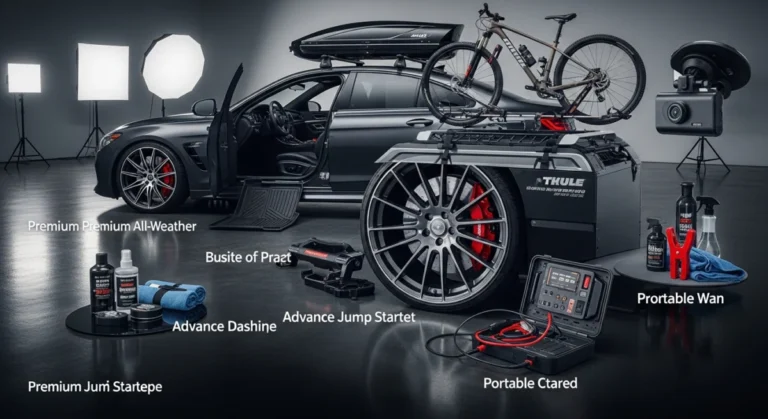
A roof box, also known as a cargo carrier**, is a streamlined container designed to be mounted on the roof of a vehicle. It provides additional storage space for items that are too bulky or numerous to fit inside the car’s trunk. Roof boxes typically attach to roof racks or crossbars. The basic principle is simple: create a weatherproof, lockable space that supplements your vehicle’s storage capacity. Aerodynamic designs are crucial to minimize wind resistance, noise, and fuel consumption.
The Impact on Braking Distance
Adding a roof box, especially when loaded, affects braking distance in several ways:
- Increased Weight: The added weight of the box and its contents increases the vehicle’s inertia. More inertia means it requires more force and a longer distance to decelerate.
- Altered Center of Gravity: A roof box raises the vehicle’s center of gravity, making it more susceptible to body roll during braking and cornering. This can reduce tire grip and increase stopping distances.
- Aerodynamic Drag: Even aerodynamic roof boxes increase drag, impacting the vehicle’s overall efficiency. While the direct impact on braking isn’t as significant as weight, increased drag can reduce the effectiveness of ABS (Anti-lock Braking System) by requiring it to work harder to slow the vehicle.
Benefits and Key Features of Roof Boxes
Expanding Cargo Capacity
The primary benefit of a roof box is significantly increased cargo space. This allows you to transport bulky items like skis, snowboards, camping gear, luggage, and more, freeing up space inside the vehicle for passengers and comfort.
Weather Protection
Roof boxes provide excellent protection from the elements. Your belongings stay dry and secure, shielded from rain, snow, wind, and sun. This is crucial for sensitive items like electronics or camping gear.
Security
Most roof boxes come equipped with locking mechanisms, offering a secure way to transport your belongings. This deters theft and provides peace of mind, especially during long journeys.
Key Features to Consider
- Size and Capacity: Roof boxes are measured in liters or cubic feet. Choose a size that accommodates your typical cargo needs.
- Aerodynamic Design: Look for a streamlined design that minimizes wind resistance and noise.
- Material: High-quality ABS plastic or similar durable materials are essential for weather resistance and longevity.
- Mounting System: Ensure the roof box is compatible with your vehicle’s roof rack system and features a secure and easy-to-use mounting mechanism.
- Locking Mechanism: A robust locking system is crucial for security. Consider boxes with multiple locking points.
- Opening Mechanism: Some boxes open from the side, while others open from the rear or both sides. Choose an option that suits your vehicle and loading preferences.
- Weight Capacity: Check the maximum weight capacity of both the roof box and your vehicle’s roof rack. Never exceed these limits.
Roof Box Installation Tips
Pre-Installation Checks
- Vehicle Compatibility: Verify that the roof box is compatible with your vehicle’s make and model.
- Roof Rack Compatibility: Ensure your roof rack is strong enough to support the weight of the roof box and its contents. Check the manufacturer’s specifications.
- Weight Limits: Be aware of the maximum weight capacity of your vehicle’s roof and the roof box itself.
- Read the Instructions: Carefully read the manufacturer’s installation instructions before you begin.
Installation Steps
1. Position the Roof Rack: Ensure the roof rack is properly installed and tightened according to the manufacturer’s instructions. 2. Lift and Position the Roof Box: Carefully lift the roof box onto the roof rack, centering it between the crossbars. It may be helpful to have a second person assist with this step. 3. Secure the Mounting Hardware: Use the provided mounting hardware to attach the roof box to the roof rack. Follow the manufacturer’s instructions for proper tightening torque. 4. Double-Check Stability: Once the box is mounted, double-check that it is securely attached and does not wobble or shift. 5. Test Drive: Take a short test drive at low speeds to ensure the roof box is securely mounted and does not create excessive noise or vibration.
Important Safety Considerations
- Weight Distribution: Distribute the weight evenly inside the roof box to maintain stability and avoid overloading one side.
- Secure Cargo: Use straps or bungee cords to secure the contents of the roof box to prevent them from shifting during transit.
- Height Clearance: Be aware of the added height of the roof box when driving under bridges, through tunnels, and into parking garages.
- Driving Style: Adjust your driving style to account for the added weight and altered center of gravity. Drive more cautiously, especially when cornering and braking.
Maintenance and Care
Regular Cleaning
- Wash the roof box regularly with mild soap and water to remove dirt, grime, and road salt.
- Avoid using harsh chemicals or abrasive cleaners that can damage the surface.
Inspect for Damage
- Regularly inspect the roof box for cracks, dents, or other damage.
- Pay close attention to the mounting points and locking mechanisms.
Lubricate Locking Mechanisms
- Lubricate the locking mechanisms with a silicone-based lubricant to ensure smooth operation.
Storage
- When not in use, store the roof box in a dry, protected area.
- Consider using a roof box cover to protect it from dust and scratches.
Top Buying Factors to Mitigate Braking Concerns
When selecting a roof box, consider the following factors to minimize the impact on braking distance and overall vehicle handling:
- Aerodynamic Design: Opt for a roof box with a low-profile, streamlined design to minimize wind resistance. This reduces drag and helps maintain fuel efficiency and braking performance.
- Weight: Choose a lightweight roof box made from durable but light materials. A lighter box minimizes the overall weight added to the vehicle, reducing the impact on braking distance.
- Size and Capacity: Select a roof box that is appropriately sized for your needs. Avoid oversized boxes that create unnecessary drag and weight.
- Mounting System: A secure and stable mounting system is essential for minimizing movement and vibration, which can affect handling and braking.
- Weight Distribution: Ensure that you can easily distribute the weight of your cargo evenly within the box. Boxes with internal straps or dividers can help with this.
- Material: The shell material impacts weight and aerodynamics. Lightweight and durable materials are best.
Essential FAQs
Q: Will a roof box significantly increase my braking distance?
A: Yes, a roof box can increase braking distance, especially when loaded. The added weight and altered aerodynamics affect the vehicle’s handling and braking performance.
Q: How can I minimize the impact of a roof box on braking?
A: Choose a lightweight, aerodynamic roof box, distribute weight evenly inside, avoid overloading, and adjust your driving style to account for the added weight and altered center of gravity.
Q: Are some roof boxes safer than others in terms of braking performance?
A: Yes. Models with improved aerodynamics and lighter construction will generally provide better braking performance. Always check reviews and compare specifications.
Q: How often should I check my roof box for damage or loose fittings?
A: Regularly check the roof box before each trip and after long journeys to ensure it is securely mounted and free from damage.
Q: What is the maximum speed I can drive with a roof box?
A: Always adhere to the manufacturer’s recommended speed limit for the roof box, which is usually lower than the vehicle’s maximum speed. Check both the roof box and vehicle manuals.
Conclusion
A roof box is a valuable accessory for increasing cargo capacity and convenience. However, it’s critical to understand the potential impact on braking distance and vehicle handling. By carefully selecting a roof box that is appropriate for your vehicle, installing it correctly, distributing weight evenly, and adjusting your driving style, you can minimize the risks and enjoy the benefits of extra storage while maintaining safety on the road. Remember that safe driving involves adapting to the conditions and equipment you are using. ***