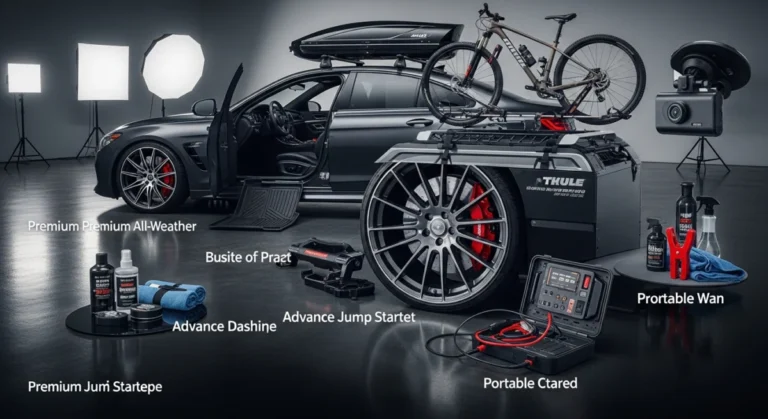
A sleek roof box can be a game-changer for road trips, family vacations, and even weekend adventures. But slapping one on top of your car isn’t without consequences. Understanding the impact a roof box has on your vehicle’s acceleration, fuel economy, and overall performance is crucial for safe and efficient travel. Studies have shown that a fully loaded roof box can reduce fuel economy by up to 25% and noticeably affect acceleration. This guide dives deep into the science and practical considerations surrounding roof boxes and their effect on your vehicle’s performance, helping you make informed decisions and maximize your travel experience.
Understanding Roof Boxes and Aerodynamics
What is a Roof Box and How Does It Work?
A roof box, also known as a cargo carrier or roof-mounted luggage carrier, is a container designed to attach to the roof of a vehicle to provide additional storage space. They are typically made from durable, weather-resistant materials like ABS plastic or polyethylene. Roof boxes increase a vehicle’s cargo-carrying capacity significantly, making them ideal for transporting items that won’t fit inside the car’s trunk or cabin.
The basic principle is simple: utilize unused space on the roof to stow luggage, sporting equipment, and other gear. However, the aerodynamic implications are far more complex. By altering the vehicle’s profile, a roof box introduces additional drag, which directly impacts acceleration and fuel efficiency. The effectiveness of a roof box hinges on its design, which aims to minimize this drag through streamlined shapes and optimized airflow.
Benefits and Key Features of a Roof Box
Increased Cargo Capacity: This is the primary benefit. Roof boxes provide a significant amount of extra storage, typically ranging from 10 to over 25 cubic feet.
Weather Protection: Your belongings are protected from rain, snow, wind, and sun.
Security: Most roof boxes come with locking mechanisms to deter theft.
Versatility: They can carry a wide range of items, from skis and snowboards to camping gear and luggage.
Key features to consider include:
- Size and Capacity: Choose a size that meets your needs without being excessively large for your vehicle.
- Aerodynamic Design: Look for boxes with sleek shapes and features that reduce wind resistance.
- Mounting System: Ensure the box is compatible with your vehicle’s roof rack system. Quick-release mounting systems simplify installation and removal.
- Material Quality: Opt for durable materials that can withstand the elements and resist damage.
- Locking Mechanism: A secure locking system is crucial for protecting your belongings.
- Ease of Opening/Closing: Consider the ease of opening and closing the box, especially in different weather conditions.
Installation Tips for Optimal Performance
Proper Roof Rack Installation: Ensure your roof rack is properly installed according to the manufacturer’s instructions. This is crucial for safety and stability.
Centering the Box: Center the roof box on the roof rack to distribute the weight evenly and maintain vehicle balance.
Secure Attachment: Double-check that all mounting hardware is securely tightened. Loose connections can lead to rattling, instability, and even detachment.
Weight Distribution: Distribute the weight inside the box evenly. Place heavier items towards the center and bottom of the box. Avoid overloading the box, as this can affect handling and fuel economy. Check the roof rack and roof box’s maximum weight capacity, and adhere to the *lower* of the two.
Minimize Overhang: Ensure that the roof box doesn’t overhang excessively at the front or rear of the vehicle. Overhang can increase drag and reduce stability.
Maintenance and Care for Longevity
- Regular Cleaning: Clean the roof box regularly with mild soap and water to remove dirt, debris, and road grime.
- UV Protection: Apply a UV protectant to the box’s surface to prevent fading and cracking from sun exposure.
- Inspect Mounting Hardware: Regularly inspect the mounting hardware for signs of wear or corrosion. Replace any damaged or worn parts immediately.
- Proper Storage: When not in use, store the roof box in a cool, dry place to protect it from the elements. Consider using a storage bag to prevent scratches and dust accumulation.
- Check Locks Regularly: Ensure locking mechanisms are working correctly. Lubricate if necessary to ensure smooth operation.
Top Buying Factors: Choosing the Right Box for Your Needs
Choosing the right roof box involves considering several factors to balance practicality, performance, and budget.
- Vehicle Compatibility: Ensure the box is compatible with your vehicle’s roof rack system. Different vehicles have different roof rack configurations, so it’s crucial to choose a box that fits properly.
- Size and Capacity: Evaluate your storage needs and choose a box with adequate capacity. Consider the types of items you’ll be carrying and the frequency of use. Larger isn’t always better, as it can significantly increase drag.
- Aerodynamic Design: Look for boxes with streamlined shapes and features that reduce wind resistance. A well-designed aerodynamic roof box can minimize the impact on fuel economy and acceleration. Consider wind tunnel testing data, if available.
- Material Quality: Opt for durable materials that can withstand the elements and resist damage. High-quality materials will ensure the box lasts for many years.
- Price: Roof boxes range in price from a few hundred dollars to over a thousand. Set a budget and choose a box that offers the best value for your money. Read reviews and compare features before making a purchase.
- Brand Reputation: Research different brands and choose one with a reputation for quality and reliability. Established brands often offer better warranties and customer support.
Roof Box Impact on Acceleration: The Science Behind the Slowdown
Adding a roof box disrupts the airflow around your vehicle, creating what’s known as aerodynamic drag. This drag acts as a force opposing the vehicle’s motion, requiring more engine power to maintain a given speed. The extent of the impact depends on several factors:
- Roof Box Design: A more aerodynamic design will generate less drag than a boxy, less streamlined model.
- Vehicle Speed: Drag increases exponentially with speed. The faster you drive, the more significant the impact on acceleration.
- Wind Conditions: Headwinds exacerbate the effects of drag, further reducing acceleration.
- Weight of the Load: A heavier load requires more engine power to accelerate. The combined weight of the box and its contents contributes to the overall reduction in acceleration.
- Vehicle’s Engine: A smaller, less powerful engine will experience a more noticeable reduction in acceleration compared to a larger, more powerful engine.
The effect on acceleration is most noticeable during initial acceleration from a standstill or when attempting to overtake another vehicle. Drivers often report a feeling of sluggishness or a need to apply more throttle to achieve the same level of performance. Modern vehicles with adaptive cruise control and advanced driver-assistance systems (ADAS) can also be affected. The system might struggle to maintain set speeds on inclines or in windy conditions, requiring more frequent downshifts.
Essential FAQ: Addressing Your Burning Questions
Q1: Will a roof box significantly reduce my car’s fuel economy?
Yes, it will. The added drag increases the engine’s workload, leading to higher fuel consumption. The exact reduction depends on the factors mentioned above, but expect a decrease of anywhere from 10% to 25%.
Q2: Does the shape of the roof box matter for acceleration and fuel economy?
Absolutely. A streamlined, aerodynamic roof box will generate less drag than a boxy one, resulting in a smaller impact on acceleration and fuel economy. Look for models specifically designed to minimize wind resistance.
Q3: How does weight distribution inside the roof box affect handling and acceleration?
Even weight distribution is crucial. Concentrating weight on one side can affect the car’s stability, especially during cornering. Placing heavier items towards the center and bottom of the box helps maintain a lower center of gravity, improving handling. Overloading the box, especially with heavier items in the front or rear, can negatively impact the car’s aerodynamics, worsening acceleration.
Q4: Are there any safety concerns associated with using a roof box?
Yes. Overloading the box, improper installation, and exceeding the vehicle’s or roof rack’s weight limits can create safety hazards. Always adhere to the manufacturer’s instructions and weight limits. Regularly inspect the mounting hardware for any signs of damage or loosening. Increased vehicle height needs to be considered for bridges and low-hanging structures.
Q5: Can I mitigate the negative impact of a roof box on acceleration and fuel economy?
Yes. Choose an aerodynamic roof box, drive at a moderate speed, ensure proper weight distribution, minimize the weight of the load, and remove the box when not in use. Regular vehicle maintenance, such as proper tire inflation and engine tuning, can also help improve fuel economy.
Conclusion
While a roof box can be a convenient solution for increasing cargo capacity, it’s essential to be aware of its impact on your vehicle’s acceleration and fuel economy. By understanding the science behind the slowdown, choosing the right box, installing it correctly, and practicing mindful driving habits, you can minimize the negative effects and enjoy the benefits of extra storage without sacrificing too much performance. Ultimately, the decision to use a roof box involves a trade-off between convenience and efficiency. Weigh your needs carefully and make an informed choice to ensure a safe and enjoyable travel experience.