Mud flaps. Those often-overlooked rectangles hanging behind your tires are silent guardians of your vehicle’s paint, the windshields of following cars, and even the environment. While they might seem insignificant, understanding when and how to replace them is crucial for maintaining your vehicle’s integrity and promoting road safety. Many drivers neglect this aspect of vehicle maintenance, leading to preventable damage and increased risk on the road. This guide provides a comprehensive overview of mud flap replacement, ensuring you stay informed and proactive in caring for your vehicle.
Understanding Mud Flaps: The Basics
What are Mud Flaps and How Do They Work?
Mud flaps, also known as splash guards, are protective barriers installed behind the wheels of vehicles. Their primary function is to deflect debris kicked up by the tires, preventing it from striking the vehicle’s body, other vehicles, or even pedestrians. They work by creating a physical shield, intercepting rocks, mud, water, snow, and other road grime before it becomes airborne. This simple yet effective mechanism significantly reduces the risk of paint damage, chipped windshields, and overall wear and tear caused by constant bombardment.
Materials and Construction
Mud flaps are typically made from durable, flexible materials designed to withstand harsh conditions. Common materials include:
- Rubber: A cost-effective option offering good flexibility and impact resistance. Ideal for standard applications.
- Thermoplastic: Offers superior durability and resistance to extreme temperatures and chemicals compared to rubber. Examples include polyethylene and polypropylene.
- Polyurethane: Provides excellent abrasion resistance, flexibility, and tear strength. A premium option for heavy-duty applications.
- Aluminum: While less common, aluminum mud flaps offer a more rigid solution and are often used for aesthetic purposes.
The choice of material depends on the vehicle type, driving conditions, and desired level of protection. For instance, a truck frequently used on gravel roads would benefit from polyurethane or heavy-duty thermoplastic mud flaps, whereas a passenger car might suffice with rubber or standard thermoplastic options.

Benefits and Key Features of Mud Flaps
Protection Against Road Debris
The most obvious benefit is protection against road debris. Mud flaps shield your vehicle from rocks, gravel, mud, snow, and other materials that can be kicked up by the tires. This prevents:
- Paint chips and scratches: Abrasive debris can quickly damage your vehicle’s paint job, leading to rust and corrosion.
- Underbody damage: Rocks and other objects can damage the undercarriage, including brake lines, fuel lines, and exhaust systems.
- Windshield damage: Flying debris can crack or chip your own windshield or those of vehicles following behind you.
Improved Visibility and Safety
Mud flaps improve visibility for following vehicles, particularly in wet conditions. By preventing road spray from obscuring the view of other drivers, mud flaps contribute to overall road safety. This is especially important for large vehicles like trucks and trailers, which can generate significant amounts of spray.
Legal Compliance
In many jurisdictions, mud flaps are a legal requirement, especially for commercial vehicles. These regulations are in place to ensure road safety and prevent property damage. Failure to comply with these regulations can result in fines and other penalties. Ensure you are aware of and compliant with local laws regarding mud flap requirements.
Enhanced Vehicle Appearance
While primarily functional, mud flaps can also enhance a vehicle’s appearance. They provide a finished look and can be customized with logos, colors, or other designs to match the vehicle’s style. This is especially popular in the trucking industry, where mud flaps are often used as a form of branding.
Installation Tips for Mud Flaps
Installing mud flaps is usually a straightforward process that can be done at home with basic tools. However, it’s crucial to follow these tips for a successful installation:
- Choose the Right Mud Flaps: Ensure the mud flaps are compatible with your vehicle’s make, model, and wheel size. Check the manufacturer’s specifications and consider professional advice if needed.
- Gather Necessary Tools: You’ll typically need a drill, screwdriver, wrench, measuring tape, and safety glasses. A marker for outlining drill points is also helpful.
- Clean the Installation Area: Before installing the mud flaps, clean the area behind the wheels thoroughly. Remove any dirt, grime, or rust to ensure a secure attachment.
- Follow the Instructions: Carefully read and follow the manufacturer’s instructions. These instructions will provide specific guidance on how to attach the mud flaps to your vehicle.
- Use Proper Hardware: Use the hardware provided with the mud flaps or, if necessary, purchase high-quality stainless-steel screws and bolts to prevent corrosion.
- Securely Attach the Mud Flaps: Ensure the mud flaps are securely attached to the vehicle’s frame or wheel well. Use appropriate tightening torque to prevent them from coming loose.
- Consider Professional Installation: If you’re not comfortable installing the mud flaps yourself, consider having them professionally installed by a mechanic.
Maintenance and Care of Mud Flaps
Regular maintenance and care are essential for extending the lifespan of your mud flaps. Here are some tips:
- Regular Cleaning: Wash your mud flaps regularly with soap and water to remove dirt, mud, and road salt. This will prevent corrosion and maintain their appearance.
- Inspect for Damage: Periodically inspect your mud flaps for cracks, tears, or other damage. Replace damaged mud flaps promptly to maintain their effectiveness.
- Check Mounting Hardware: Ensure the mounting hardware is tight and secure. Loose hardware can cause the mud flaps to vibrate and wear prematurely.
- Protect from UV Exposure: Prolonged exposure to UV rays can cause some materials to degrade over time. Consider using a UV protectant spray to extend their lifespan.
- Avoid Harsh Chemicals: Avoid using harsh chemicals or solvents to clean your mud flaps, as these can damage the material.
- Winter Maintenance: In winter, be especially vigilant about removing ice and snow buildup from your mud flaps. Excessive weight can cause them to tear or break.
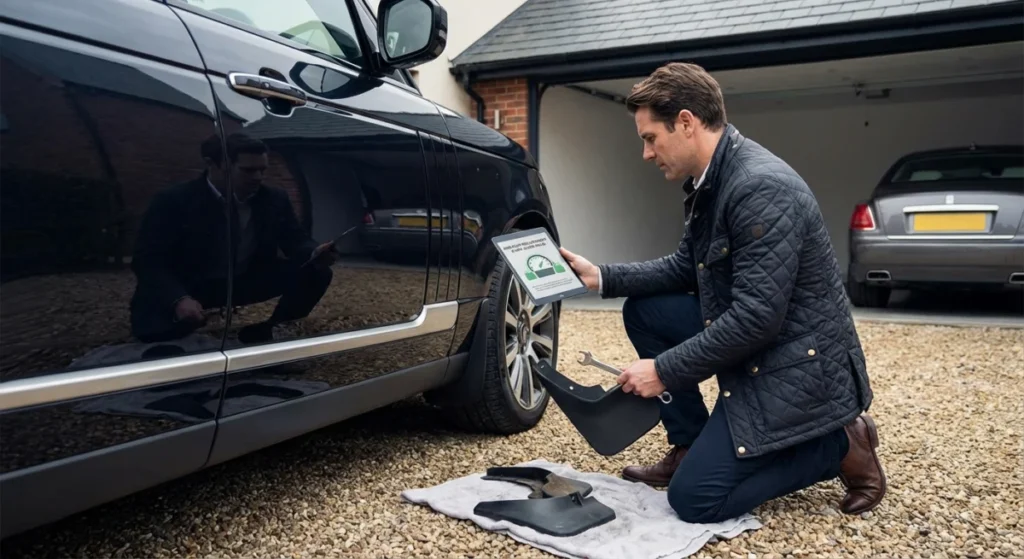
Top Buying Factors for Mud Flaps
Choosing the right mud flaps for your vehicle involves considering several factors:
- Material: Select a material that is appropriate for your driving conditions and budget. Rubber is a cost-effective option, while polyurethane offers superior durability.
- Size and Fit: Ensure the mud flaps are the correct size and fit for your vehicle’s make and model. Incorrectly sized mud flaps may not provide adequate protection or may interfere with the vehicle’s operation.
- Durability: Look for mud flaps that are made from durable materials and designed to withstand harsh conditions. Consider mud flaps with reinforced construction for added strength.
- Installation: Choose mud flaps that are easy to install. Look for mud flaps that come with all the necessary hardware and clear instructions.
- Aesthetics: Consider the appearance of the mud flaps. Choose a style that complements your vehicle’s look.
- Brand Reputation: Opt for mud flaps from a reputable brand known for quality and durability. Read reviews and compare products before making a purchase.
- Price: Consider your budget and choose mud flaps that offer the best value for your money.
Essential FAQ Section
Q1: How often should I replace my mud flaps?
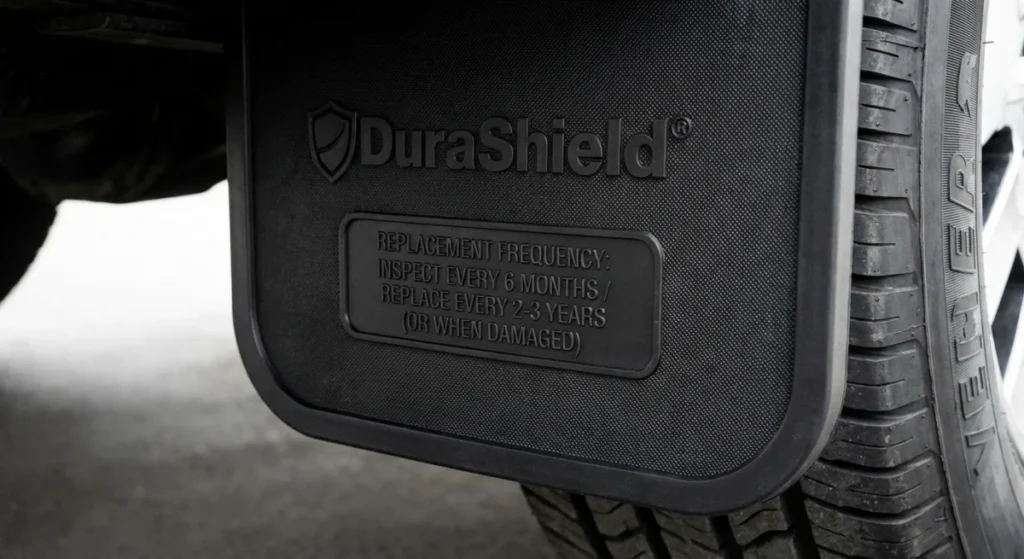
A: There isn’t a strict time interval, but generally, replace them when you notice significant damage such as large tears, missing pieces, or severe degradation of the material. Regular inspection is key. A good rule of thumb is to check them at least every six months or after any off-road adventures.
Q2: Can I drive without mud flaps?
A: In many jurisdictions, it’s illegal to drive without mud flaps, especially for commercial vehicles. Additionally, driving without them increases the risk of damage to your vehicle and others on the road. Check your local laws.
Q3: Are universal mud flaps as good as custom-fit ones?
A: Custom-fit mud flaps generally offer a better fit and more comprehensive protection, as they are designed specifically for your vehicle’s make and model. Universal mud flaps can work, but they may require more modification and may not provide the same level of coverage.
Q4: What’s the difference between anti-spray mud flaps and regular ones?
A: Anti-spray mud flaps are designed with special features, such as grooves or flaps, to minimize the amount of water and debris that is sprayed into the air. They are particularly effective in wet conditions and improve visibility for other drivers.
Q5: Can I install mud flaps myself, or should I hire a professional?
A: Installing mud flaps is often a simple DIY project, especially if you’re comfortable using basic tools. However, if you’re not confident in your abilities or if the installation requires drilling or other modifications, it’s best to hire a professional mechanic.
In conclusion, mud flap replacement frequency isn’t dictated by a rigid schedule but by condition and performance. Regular inspection, proactive maintenance, and choosing the right mud flaps for your needs ensures both safety and the longevity of your vehicle, protecting you, other drivers, and the environment. Stay vigilant, stay informed, and keep those splash guards doing their job!