Mud Flap Sizing Guide: Protecting Your Ride and the Road
Tired of rock chips, road grime, and the constant threat of spraying debris onto vehicles behind you? You’re not alone. Studies show that road debris accounts for millions of dollars in vehicle damage annually. The solution? Properly sized mud flaps. This comprehensive guide will walk you through everything you need to know about mud flap sizing, ensuring you choose the right protection for your truck, SUV, or trailer. Let’s dive in!
What are Mud Flaps and How Do They Work?
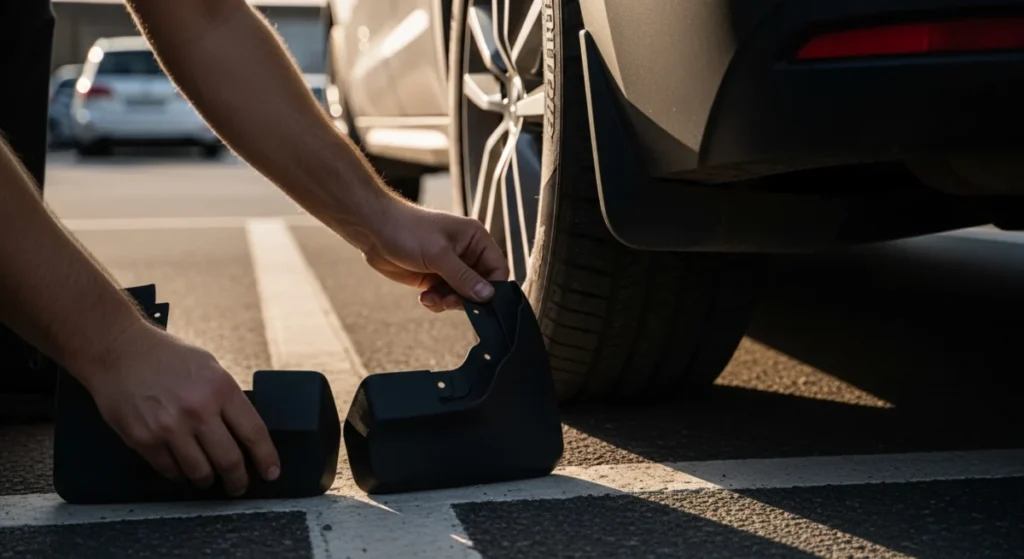
Mud flaps, also known as splash guards or stone guards, are protective barriers installed behind your vehicle’s tires. Their primary function is to intercept and deflect road debris – including mud, water, rocks, salt, and snow – thrown up by the tires as they rotate. They essentially create a shield, preventing this debris from hitting your own vehicle’s body panels or spraying onto other vehicles on the road.
Think of them like tiny dams for the road spray. The mud flap sits in the direct path of the thrown debris, absorbing the initial impact and redirecting it downwards, significantly reducing the energy and trajectory of the projectiles. Without mud flaps, this debris could cause paint damage, rust, and even cracked windshields for following vehicles. They work simply through physical obstruction and redirection.
Benefits and Key Features of Mud Flaps
Investing in correctly sized mud flaps offers a range of benefits, enhancing both your vehicle’s longevity and overall safety.
Protecting Your Vehicle from Damage
The most obvious benefit is damage prevention. Mud flaps act as a barrier against:
- Rock chips and scratches: Debris kicked up at highway speeds can easily chip paint and cause unsightly scratches.
- Rust formation: Road salt and water contribute significantly to rust. Mud flaps minimize the contact of these corrosive elements with your vehicle’s undercarriage and body.
- Underbody damage: Larger debris can damage sensitive components like exhaust systems, brake lines, and fuel tanks.
Enhancing Road Safety
Mud flaps contribute to safer driving conditions for everyone:
- Reduced spray: By containing spray, mud flaps improve visibility for drivers behind you, especially in wet or snowy conditions.
- Decreased risk of windshield damage: Fewer projectiles hitting other vehicles means a lower chance of cracked or damaged windshields.
- Preventing hazards: Reduces the likelihood of rocks or other debris being kicked up and creating a dangerous situation for other drivers.
Maintaining Vehicle Appearance
Beyond protection, mud flaps help maintain your vehicle’s clean look:
- Less frequent washing: By minimizing the amount of mud and grime accumulating on your vehicle, you’ll need to wash it less often.
- Preserving paint quality: Consistent exposure to debris can dull and degrade paint over time. Mud flaps help prevent this.
Key Features to Consider
When choosing mud flaps, consider these key features:
- Material: Common materials include rubber, polyethylene, and polypropylene. Rubber offers flexibility and durability, while plastics are lighter and often more resistant to chemicals.
- Thickness: Thicker mud flaps offer better protection against larger debris but can be heavier and less flexible.
- Size: Selecting the correct size is crucial for optimal protection. This is covered in detail below.
- Contour: Some mud flaps are designed to contour to the shape of your vehicle’s wheel wells for a cleaner, more integrated look.
- Anti-spray design: Some mud flaps feature ribbed or channeled surfaces designed to further minimize spray.
- Weight: Too much weight will be harmful to your fuel efficiency.
- Branding/Logos: Many mud flaps are customized with the brand of vehicle, such as ‘RAM’ or ‘Ford’.
Installation Tips for Mud Flaps
While some mud flaps require professional installation, many can be installed at home with basic tools.
Gather Your Tools
Before you begin, make sure you have the following:
- Socket set or wrench
- Screwdriver (Phillips and flathead)
- Drill (may be needed for new mounting holes)
- Measuring tape
- Marker or pencil
- Safety glasses
Follow the Instructions
Always follow the manufacturer’s instructions included with your mud flaps. These instructions will provide specific guidance for your vehicle model.
Pre-Drilling (If Necessary)
If your vehicle doesn’t have pre-drilled mounting holes, you may need to drill pilot holes. Use a drill bit slightly smaller than the mounting screws or bolts.
Secure Mounting
Ensure the mud flaps are securely mounted to the vehicle’s body. Loose mud flaps can vibrate and cause damage. Use washers to distribute the pressure and prevent the mounting hardware from pulling through the mud flap material.
Test Fit
Before tightening all the hardware, test fit the mud flaps to ensure they are properly aligned and don’t interfere with the tires or suspension.
Professional Installation
If you’re not comfortable installing mud flaps yourself, consider professional installation. A qualified mechanic can ensure the mud flaps are properly installed and securely mounted.
Maintenance and Care of Mud Flaps
Proper maintenance will extend the lifespan of your mud flaps.
Regular Cleaning
Wash your mud flaps regularly with soap and water to remove dirt, grime, and road salt. This will prevent the buildup of corrosive elements that can degrade the material over time.
Inspection for Damage
Periodically inspect your mud flaps for cracks, tears, or other damage. Replace damaged mud flaps promptly to maintain optimal protection.
Tighten Hardware
Check the mounting hardware regularly to ensure it’s tight. Loose hardware can cause the mud flaps to vibrate and wear prematurely.
Protectants
Applying a UV protectant to your mud flaps can help prevent them from fading or cracking due to sun exposure.
Top Buying Factors: Choosing the Right Size and Type
Selecting the correct size and type of mud flap is critical for effective protection. Here’s what to consider:
Determining the Right Size
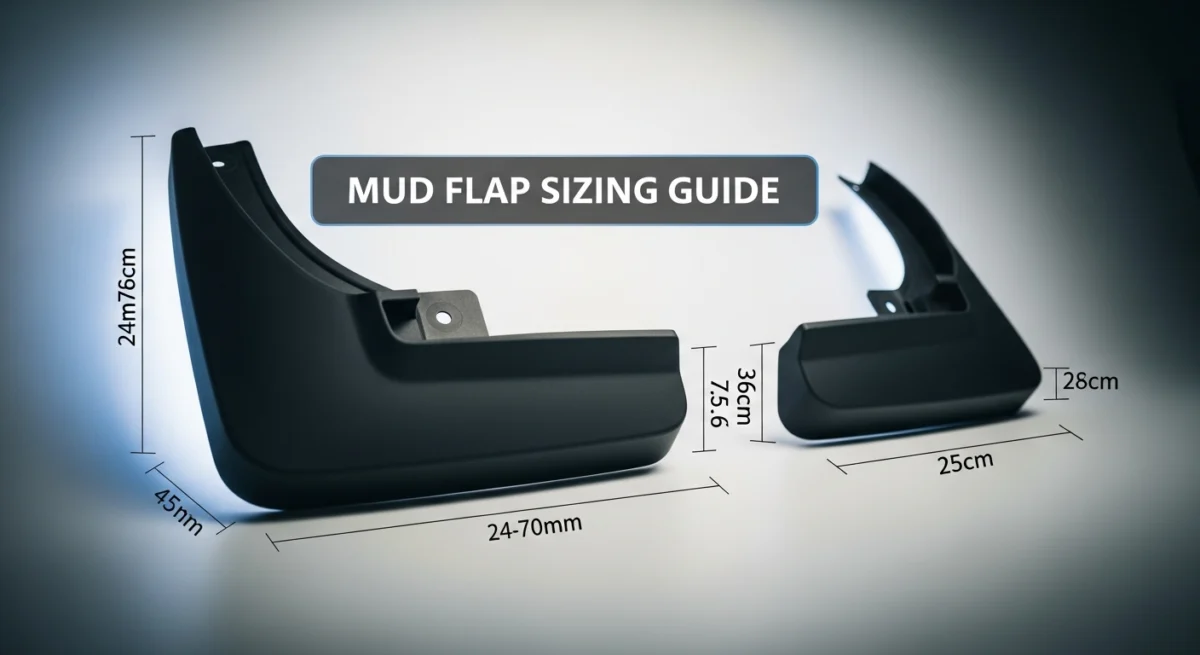
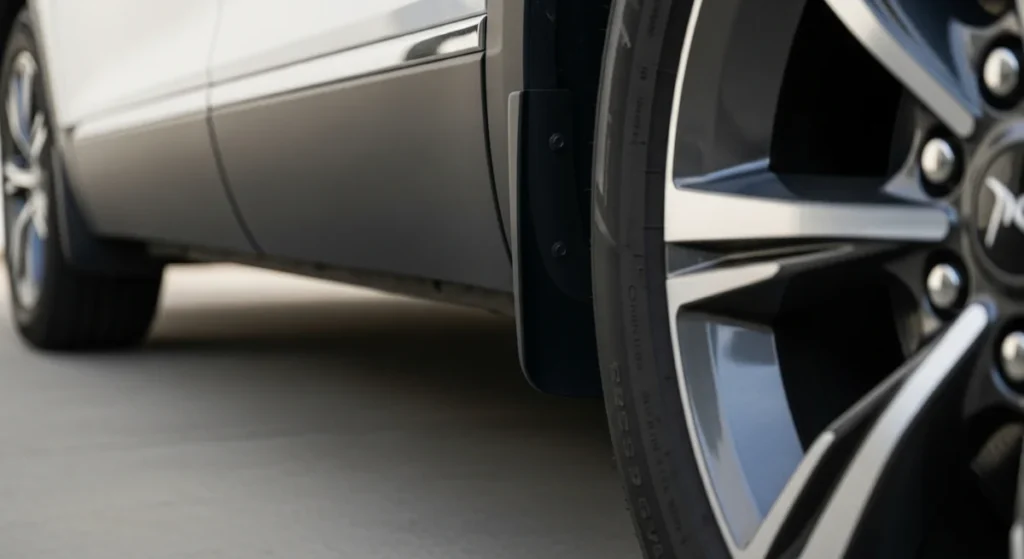
- Tire Coverage: The width of the mud flap should be at least as wide as the tire it’s protecting. Ideally, it should extend slightly beyond the tire on both sides to effectively contain spray.
- Ground Clearance: The bottom edge of the mud flap should hang low enough to intercept debris but not so low that it scrapes the ground or interferes with suspension travel. A good rule of thumb is to maintain at least 4-6 inches of ground clearance.
- Measuring Technique: Measure the distance from the bottom of the wheel well to the desired height above the ground. This measurement will give you the approximate length of mud flap needed. Also, measure the width of your tires to determine the required width of the mud flap.
- Vehicle Type: Different vehicles require different sizes. Larger trucks and SUVs typically need larger mud flaps than smaller cars or trailers.
Choosing the Right Type
- Universal vs. Custom Fit: Universal mud flaps are designed to fit a wide range of vehicles, while custom-fit mud flaps are specifically designed for certain makes and models. Custom-fit mud flaps often offer a more precise fit and a cleaner appearance.
- Material: Consider the material based on your needs. Rubber is durable and flexible, while plastic is lightweight and chemical-resistant.
- Style: Mud flaps come in various styles, from plain black to decorative designs. Choose a style that complements your vehicle’s appearance.
- Weight Ratings: Some manufacturers will provide weight ratings which may be essential to adhere to for trucks and trailers.
Important Note: Check your local regulations regarding mud flap requirements. Some jurisdictions have specific rules regarding the size and placement of mud flaps.
Essential FAQ Section
- Q: Are mud flaps required by law?
- A: Mud flap requirements vary by state and country. Check your local regulations for specific requirements.
- Q: Can I install mud flaps myself?
- A: Yes, many mud flaps can be installed at home with basic tools. However, professional installation is recommended if you’re not comfortable with the process.
- Q: What’s the best material for mud flaps?
- A: The best material depends on your needs. Rubber is durable and flexible, while plastic is lightweight and chemical-resistant.
- Q: How often should I replace my mud flaps?
- A: Replace your mud flaps when they become damaged or worn. Inspect them regularly for cracks, tears, or other damage.
- Q: Do mud flaps affect fuel efficiency?
- A: Mud flaps can slightly affect fuel efficiency due to added weight and aerodynamic drag. However, the impact is usually minimal.
Conclusion
Choosing the right mud flaps can save you money, protect your vehicle, and improve road safety. By understanding the different types of mud flaps, considering key features, and following proper installation and maintenance procedures, you can ensure your vehicle is well-protected from road debris. Take the time to measure your vehicle, research your options, and invest in quality mud flaps – your ride (and those around you) will thank you for it.