Mud Flaps Maintenance: A Comprehensive Guide for Protecting Your Vehicle
Tired of seeing your vehicle’s paint job chipped away by road debris? Do you want to protect other drivers from rocks and water spray? Mud flaps are the unsung heroes of vehicle protection, often overlooked but crucial for maintaining your vehicle’s integrity and safety. Studies show that vehicles equipped with properly maintained mud flaps experience significantly less paint damage and undercarriage corrosion over their lifespan. But like any vehicle component, mud flaps require proper maintenance to perform optimally. This guide provides expert advice on keeping your mud flaps in top condition, ensuring long-lasting protection for your vehicle and those around you.
Understanding Mud Flaps
What Are Mud Flaps and How Do They Work?
Mud flaps, also known as splash guards or mud guards, are protective barriers installed behind the wheels of a vehicle. Their primary function is to intercept and deflect debris kicked up by the tires, including:
- Mud
- Water
- Rocks
- Salt
- Snow
By intercepting these projectiles, mud flaps prevent them from damaging the vehicle’s body, undercarriage, and even the windshields of vehicles following behind. They work by providing a physical barrier that absorbs the impact of the debris, redirecting it downwards and back towards the road. The effectiveness of a mud flap depends on factors like its size, material, and the vehicle’s speed.
Benefits and Key Features of Mud Flaps
Investing in and maintaining mud flaps offers a multitude of benefits:
- Paint Protection: Prevents chips, scratches, and dings caused by road debris, preserving your vehicle’s paint finish.
- Undercarriage Protection: Shields vulnerable components like brake lines, fuel lines, and exhaust systems from corrosion and damage due to salt, water, and impacts.
- Enhanced Safety: Reduces the risk of debris hitting other vehicles, potentially causing damage or accidents. This is especially critical in wet or snowy conditions.
- Aesthetic Appeal: Adds a touch of style and ruggedness to your vehicle’s appearance. Many mud flap designs are available to complement different vehicle styles.
- Compliance with Regulations: In some regions, mud flaps are legally required, particularly for commercial vehicles and trucks.
- Reduced Cleaning: Minimizes the amount of mud and grime that splatters onto your vehicle, reducing the frequency of washing.
Key features to consider when choosing mud flaps include:
- Material: Common materials include rubber, thermoplastic, and metal (typically aluminum). Rubber and thermoplastic are more flexible and resistant to cracking, while metal offers greater durability for heavy-duty applications.
- Size and Shape: Mud flaps come in various sizes and shapes to fit different vehicles and provide varying levels of coverage. Consider the tire size and the vehicle’s wheel well design when selecting the appropriate size.
- Mounting Style: Mud flaps can be mounted using screws, bolts, or specialized clips. Choose a mounting style that is compatible with your vehicle and provides a secure attachment.
- Anti-Spray Design: Some mud flaps feature special designs, such as ribbed surfaces or contoured shapes, to further reduce water spray and improve visibility for following drivers.
- Weight: Heavy-duty flaps provide the most protection but can be difficult to install and place more stress on the mounting hardware.
Installation Tips (If Applicable)
While some prefer professional installation, installing mud flaps yourself is a manageable task with the right tools and a bit of patience. Here’s a general guide:
1. Gather Your Tools: You’ll typically need a drill, screwdriver (or socket wrench), measuring tape, and safety glasses. 2. Prepare the Vehicle: Park on a level surface and engage the parking brake. Ensure the area around the wheel wells is clean. 3. Position the Mud Flap: Hold the mud flap in place and align it with the existing mounting holes or the desired location. 4. Mark the Drill Points: Use a marker to indicate the locations where you’ll need to drill holes. 5. Drill Pilot Holes: Drill small pilot holes to guide the screws or bolts. 6. Attach the Mud Flap: Secure the mud flap using the provided hardware. Make sure the screws or bolts are tightened securely, but avoid over-tightening, which can damage the mud flap or the vehicle’s body. 7. Repeat for All Mud Flaps: Repeat the process for the remaining mud flaps. 8. Test: Check the mud flaps are securely attached and don’t interfere with wheel movement.
Important: Always consult the mud flap manufacturer’s instructions for specific installation guidelines. Different mud flap designs may require different installation procedures.
Maintenance and Care
Proper maintenance is essential for extending the lifespan and effectiveness of your mud flaps. Here’s a comprehensive guide:
- Regular Cleaning: Regularly wash your mud flaps with soap and water to remove accumulated mud, dirt, and road grime. This will prevent the buildup of corrosive substances that can damage the mud flap material. Use a brush to scrub away stubborn dirt.
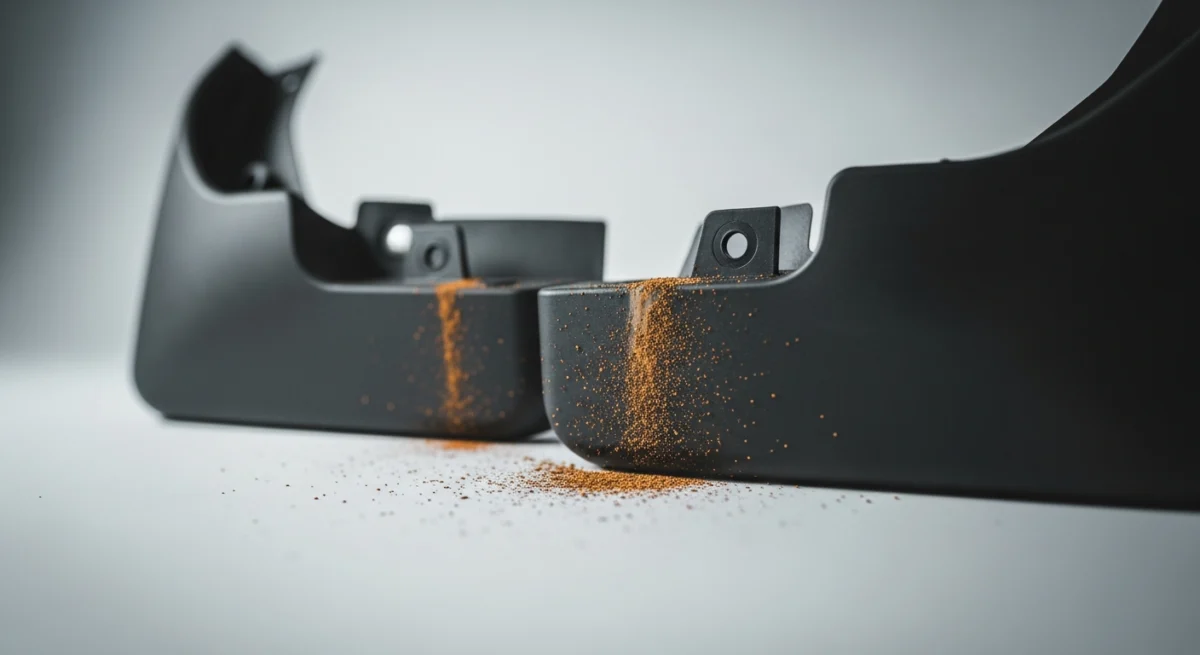
- Inspect for Damage: Periodically inspect your mud flaps for cracks, tears, or other signs of damage. Pay close attention to the mounting points, as these are often the first areas to fail.
- Tighten Mounting Hardware: Check the tightness of the mounting screws or bolts regularly. Loose hardware can cause the mud flaps to vibrate, leading to premature wear and tear.
- Protect Against UV Damage: Prolonged exposure to sunlight can cause some mud flap materials, particularly rubber, to degrade and become brittle. Consider applying a UV protectant spray to help prevent fading and cracking.
- Address Small Cracks Promptly: If you notice small cracks in your mud flaps, address them promptly with a flexible sealant or adhesive. This will prevent the cracks from spreading and compromising the integrity of the mud flap.
- Winter Maintenance: In regions with harsh winters, pay special attention to the impact of salt and de-icing chemicals on your mud flaps. Rinse them frequently with fresh water to remove salt buildup. Consider using a rubber protectant specifically designed for winter conditions.
- Avoid Harsh Chemicals: Avoid using harsh chemicals or solvents to clean your mud flaps, as these can damage the material. Stick to mild soap and water.
- Proper Storage: If you remove your mud flaps for any reason, store them in a cool, dry place away from direct sunlight.
- Consider Replacements: Even with meticulous maintenance, mud flaps will eventually wear out. When they become excessively damaged or ineffective, replace them with new ones to maintain optimal protection. A damaged mud flap is effectively a useless mud flap.
Top Buying Factors for Mud Flaps
Choosing the right mud flaps for your vehicle involves considering several factors:
- Vehicle Type: Ensure the mud flaps are compatible with your vehicle’s make, model, and year. Different vehicles have different wheel well designs and mounting requirements.
- Driving Conditions: If you frequently drive on unpaved roads or in harsh weather conditions, choose mud flaps made from durable materials that can withstand the abuse.
- Material Quality: Opt for mud flaps made from high-quality materials that are resistant to cracking, tearing, and UV damage. Rubber and thermoplastic are generally good choices for most applications.
- Size and Coverage: Select mud flaps that provide adequate coverage for your tires. Larger mud flaps offer more protection but may also be more prone to dragging or scraping.
- Aesthetics: Choose mud flaps that complement your vehicle’s style. Many different designs and finishes are available.
- Price: Mud flaps range in price from inexpensive universal models to more expensive custom-fit options. Consider your budget and the level of protection you need.
- Brand Reputation: Opt for mud flaps from reputable brands known for quality and durability. Read online reviews to get an idea of other customers’ experiences.
Essential FAQ
Here are some frequently asked questions about mud flap maintenance:
1. How often should I clean my mud flaps? Aim to clean your mud flaps every time you wash your vehicle or at least once a month. More frequent cleaning may be necessary in particularly dirty or salty conditions. 2. What type of cleaner should I use on my mud flaps? Mild soap and water is generally the best option. Avoid harsh chemicals or solvents that could damage the material. 3. How can I prevent my mud flaps from cracking in cold weather? Choose mud flaps made from a flexible material like rubber or thermoplastic. Apply a rubber protectant regularly to help keep the material pliable and prevent cracking. 4. Are mud flaps required by law? In some regions, mud flaps are legally required, particularly for commercial vehicles and trucks. Check your local regulations to ensure compliance. 5. How do I know when it’s time to replace my mud flaps? Replace your mud flaps when they become excessively damaged, cracked, torn, or no longer provide adequate coverage for your tires.
Conclusion
Mud flaps are a small investment that offers significant long-term benefits for your vehicle. By understanding the different types of mud flaps, following proper installation procedures, and implementing a regular maintenance routine, you can ensure that your mud flaps provide years of reliable protection. Take the time to care for your mud flaps, and they’ll reward you with a cleaner, safer, and better-looking vehicle.