Mud Flaps Installation: A Comprehensive Guide
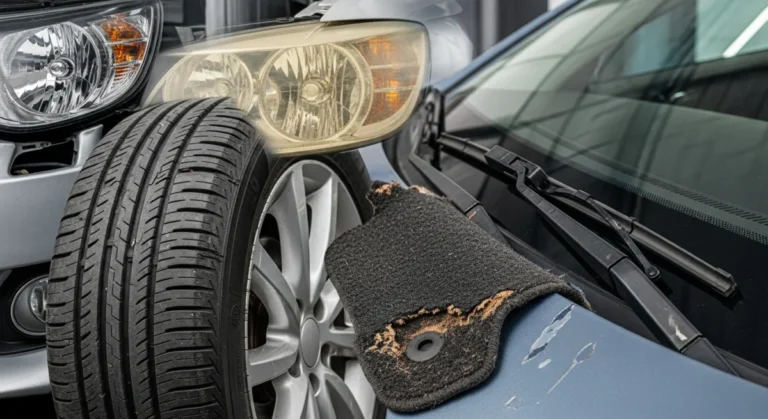
Driving a vehicle, especially on rough terrain or during inclement weather, exposes it to a barrage of road debris. Rocks, mud, slush, and other contaminants can relentlessly chip away at your vehicle’s paint and undercarriage, leading to costly repairs down the line. But there’s a simple, effective solution: mud flaps. According to recent studies, vehicles equipped with mud flaps experience up to 75% less paint damage and significantly reduced undercarriage corrosion compared to those without. This guide will walk you through everything you need to know about mud flap installation, from understanding their function to choosing the right set and maintaining them for long-lasting protection.
Understanding Mud Flaps: Functionality and Purpose
What are Mud Flaps and How Do They Work?
Mud flaps, also known as splash guards or mud guards, are protective barriers mounted behind your vehicle’s tires. Their primary function is to intercept and deflect debris kicked up by the spinning tires. This debris includes mud, water, rocks, snow, and other road contaminants. By preventing these materials from projecting backward and upward, mud flaps safeguard your vehicle’s body, paint, and other components, as well as protecting vehicles following behind you from potential damage. They effectively act as a shield against the constant assault of road grime. The effectiveness hinges on their size, placement, and the material from which they are made. A correctly installed mud flap extends far enough to capture the trajectory of the debris, preventing it from reaching vulnerable areas.
Benefits and Key Features of Mud Flaps
Investing in mud flaps offers a multitude of benefits, making them a worthwhile addition to any vehicle.
- Protection from Damage: This is the primary benefit. Mud flaps protect your vehicle’s paint, body panels, and undercarriage from chips, scratches, and corrosion caused by road debris. They are a frontline defense against damage that can quickly add up to expensive repairs.
- Enhanced Safety: By reducing the amount of spray and debris thrown up by your tires, mud flaps improve visibility for other drivers, especially in wet or snowy conditions. This is crucial for preventing accidents and ensuring safer driving for everyone.
- Compliance with Regulations: In some jurisdictions, mud flaps are mandatory for certain types of vehicles, particularly commercial trucks and those operating in specific industries. Installing them ensures compliance with local laws and regulations.
- Maintain Vehicle Value: Keeping your vehicle in good condition is essential for maintaining its resale value. Mud flaps contribute to this by preventing damage and preserving the appearance of your vehicle.
- Customization Options: Mud flaps are available in a wide range of styles, materials, and colors, allowing you to customize the look of your vehicle while adding functional protection. You can find options that complement your vehicle’s aesthetics and reflect your personal style.
- Durability: Many modern mud flaps are made from highly durable materials, such as rubber or thermoplastic, designed to withstand the harsh conditions of the road. They are built to last and provide long-term protection.
- Prevention of Rock Chips: One of the most common damages on roads are rock chips. Mud flaps provide direct prevention from flying rocks and debris that cause this type of damage.
Mud Flaps Installation: A Step-by-Step Guide
Preparation is Key: Gathering Your Tools and Materials
Before you begin the installation process, gather all the necessary tools and materials. This will streamline the process and ensure you have everything you need at your fingertips.
- Mud Flap Kit: Purchase a mud flap kit specifically designed for your vehicle’s make and model. This ensures proper fitment and compatibility.
- Drill: A power drill with various drill bits will be needed to create mounting holes if your vehicle does not already have them.
- Screwdriver: A screwdriver with the appropriate bits for the included hardware. A ratchet with sockets may be helpful for tighter screws.
- Measuring Tape: This will help you ensure proper placement and alignment of the mud flaps.
- Pencil or Marker: Use a pencil or marker to mark the locations of the mounting holes.
- Safety Glasses: Protect your eyes from flying debris during the installation process.
- Gloves: Protect your hands from dirt, grease, and sharp edges.
- Jack and Jack Stands (Optional): If you need to remove the wheels for easier access, use a jack and jack stands to safely lift and support the vehicle.
- Wheel Chocks (Optional): Using wheel chocks is a good safety precaution even when parking to change mudflaps.
- Rust Penetrant (Optional): If your vehicle is older, penetrating oil can help loosen corroded screws.
Step-by-Step Installation Process
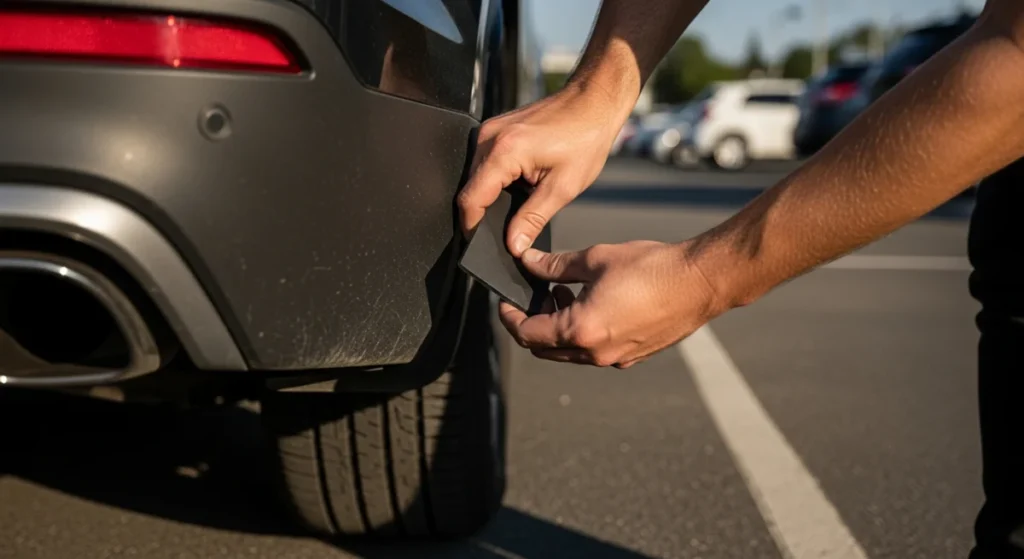
1. Prepare Your Vehicle: Park your vehicle on a level surface and engage the parking brake. If necessary, use a jack and jack stands to safely lift and support the vehicle, removing the wheels for easier access. 2. Clean the Mounting Area: Thoroughly clean the area where you will be mounting the mud flaps. Remove any dirt, grime, or debris that could interfere with the installation. 3. Position the Mud Flap: Hold the mud flap in place and align it with the fender or wheel well. Use a measuring tape to ensure it is positioned correctly and that it covers the tire adequately. 4. Mark the Mounting Holes: Use a pencil or marker to mark the locations of the mounting holes on the fender or wheel well. 5. Drill Pilot Holes (If Necessary): If your vehicle does not already have mounting holes, use a drill to create pilot holes at the marked locations. Be careful not to drill too deep or damage any underlying components. 6. Attach the Mud Flap: Align the mud flap with the pilot holes and secure it in place using the provided hardware (screws, bolts, or clips). Tighten the hardware securely, but do not overtighten. 7. Repeat for Remaining Mud Flaps: Repeat steps 3-6 for the remaining mud flaps. 8. Reinstall Wheels (If Removed): If you removed the wheels, reinstall them and tighten the lug nuts to the manufacturer’s specifications. 9. Double-Check Your Work: After installing all the mud flaps, double-check to ensure they are securely attached and properly aligned.
Installation Tips for a Seamless Finish
- Read the Instructions: Always read and follow the instructions provided with your mud flap kit. This will help you avoid mistakes and ensure a proper installation.
- Use the Right Hardware: Use only the hardware provided with the mud flap kit or hardware specifically designed for automotive applications. Using the wrong hardware can damage your vehicle or cause the mud flaps to come loose.
- Don’t Overtighten: Overtightening the hardware can strip the threads or damage the mud flaps. Tighten the hardware securely, but do not overtighten.
- Consider Professional Installation: If you are not comfortable installing mud flaps yourself, consider having them installed by a professional mechanic.
Mud Flaps: Maintenance and Care
Maintaining your mud flaps is crucial for ensuring their longevity and effectiveness. Regular cleaning and inspection will help keep them in good condition and prevent premature wear and tear.
- Regular Cleaning: Wash your mud flaps regularly with soap and water to remove dirt, mud, and other debris. This will prevent buildup that can damage the material.
- Inspect for Damage: Periodically inspect your mud flaps for cracks, tears, or other damage. Replace any damaged mud flaps immediately to maintain their protective function.
- Check Hardware: Check the mounting hardware regularly to ensure it is tight and secure. Tighten any loose hardware to prevent the mud flaps from coming loose.
- Apply Protectant: Consider applying a protectant designed for rubber or plastic to help protect your mud flaps from UV damage and cracking.
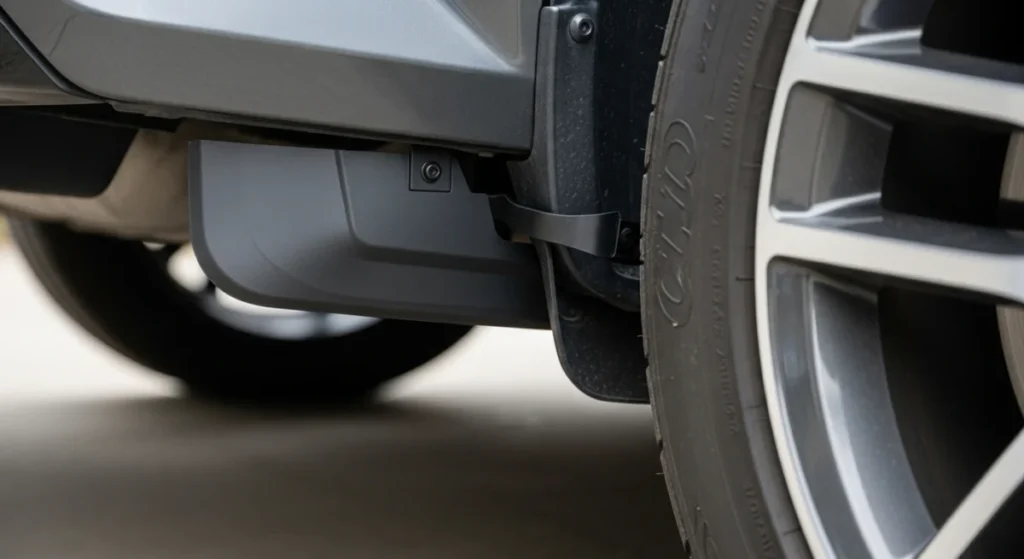
Top Buying Factors: Choosing the Right Mud Flaps
Selecting the right mud flaps for your vehicle involves several considerations. Here are some key factors to keep in mind:
- Vehicle Compatibility: Ensure that the mud flaps are specifically designed for your vehicle’s make, model, and year. This will guarantee a proper fit and easy installation.
- Material: Choose a material that is durable and resistant to the harsh conditions of the road. Common materials include rubber, thermoplastic, and polyethylene.
- Size and Coverage: Consider the size and coverage area of the mud flaps. They should be large enough to adequately protect your vehicle from debris.
- Style and Appearance: Select mud flaps that complement the look of your vehicle. Choose a style and color that matches your personal preferences.
- Ease of Installation: Look for mud flaps that are easy to install with minimal tools and modifications required.
- Price: Compare prices from different vendors to find the best value for your money.
- Brand Reputation: Research the reputation of the mud flap manufacturer. Choose a brand known for quality and durability.
- Customer Reviews: Read customer reviews to get an idea of the real-world performance and durability of the mud flaps.
Essential FAQ Section
Q: Are mud flaps required by law?
A: In many jurisdictions, mud flaps are required for commercial vehicles and vehicles with oversized tires. Check your local laws and regulations to ensure compliance.
Q: Can I install mud flaps myself, or should I hire a professional?
A: Most mud flaps are relatively easy to install with basic tools. However, if you are not comfortable working on your vehicle, consider hiring a professional mechanic.
Q: What is the best material for mud flaps?
A: The best material depends on your needs and preferences. Rubber is durable and flexible, while thermoplastic is lightweight and resistant to chemicals.
Q: How often should I clean my mud flaps?
A: Clean your mud flaps regularly, especially after driving in muddy or snowy conditions. This will prevent buildup and extend their lifespan.
Q: How do I know if my mud flaps are the right size for my vehicle?
A: Consult the manufacturer’s recommendations or measure the distance from the bottom of your fender to the ground. Choose mud flaps that provide adequate coverage for your tires.
Conclusion
Investing in and properly installing mud flaps is a simple yet highly effective way to protect your vehicle from damage, enhance safety, and maintain its value. By following the steps outlined in this guide, you can confidently choose the right mud flaps for your needs and install them correctly, ensuring long-lasting protection for your vehicle. Remember to perform regular maintenance and care to keep your mud flaps in good condition and enjoy the peace of mind that comes with knowing your vehicle is shielded from the elements.