Mud Flaps for Winter Driving: A Comprehensive Guide
Winter driving presents a unique set of challenges for vehicles. From slick roads to flying debris laden with salt and ice, your car’s paint and undercarriage can take a serious beating. Did you know that the average car owner spends approximately $500 annually on rust repairs directly attributable to winter road conditions? That’s where mud flaps, or splash guards, come in. They’re not just for aesthetics; they’re a crucial line of defense against the harsh realities of winter roads. This guide will delve deep into everything you need to know about mud flaps for winter driving, ensuring your vehicle is properly protected.
What are Mud Flaps and How Do They Work?
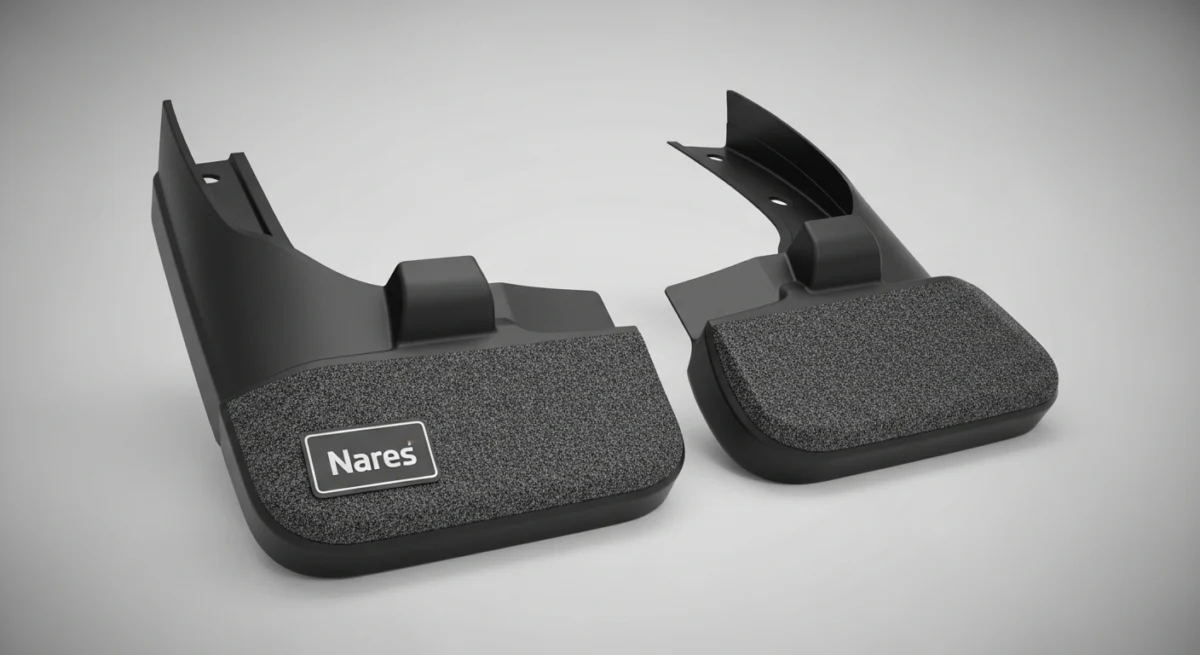
Mud flaps are protective barriers, typically made of flexible rubber, thermoplastic, or rigid composite materials, that are mounted behind the tires of a vehicle. Their primary function is to intercept and deflect road spray, mud, snow, ice, rocks, and other debris kicked up by the tires, preventing them from impacting the vehicle’s body, undercarriage, and nearby vehicles.
The Science Behind the Splash
The physics are straightforward: rotating tires fling debris outward. Without mud flaps, this debris becomes a projectile, damaging your vehicle’s paint, chipping the undercoating, and potentially causing rust. Mud flaps interrupt this trajectory, absorbing the impact and redirecting the debris downwards, closer to the road. Think of them as miniature shields protecting your investment. They work by:
- Intercepting: Acting as a physical barrier.
- Deflecting: Changing the trajectory of debris.
- Absorbing: Dissipating the kinetic energy of the debris.
Benefits and Key Features of Winter Mud Flaps
Investing in quality mud flaps specifically designed for winter conditions offers a multitude of benefits beyond simply keeping your car cleaner.
Protecting Your Vehicle
The most obvious benefit is protection. Mud flaps shield your vehicle from:
- Paint Chips: Flying rocks and debris can cause unsightly and costly paint damage.
- Rust Formation: Salt and road chemicals are notorious for accelerating rust. Mud flaps help prevent these substances from reaching vulnerable areas.
- Undercarriage Damage: Protecting critical components like brake lines, fuel lines, and suspension parts from impact and corrosion.
- Headlight and Taillight Damage: Reducing the chance of road debris damaging costly light assemblies.
Enhanced Safety
Beyond protecting your vehicle, mud flaps also contribute to safer driving conditions for you and others.
- Improved Visibility: By reducing road spray, mud flaps help maintain clear visibility for drivers behind you, especially during wet or snowy conditions.
- Reduced Risk of Stone Chips to Following Vehicles: Minimizing the chance of debris impacting other vehicles, thus lowering the risk of accidents.
Key Features to Look For
When selecting mud flaps for winter driving, consider these features:
- Material: Choose durable, weather-resistant materials like heavy-duty rubber or thermoplastic. These materials are less likely to crack or become brittle in cold temperatures.
- Size and Coverage: Opt for mud flaps that provide adequate coverage, extending slightly wider than your tires and reaching down far enough to effectively deflect debris. Consider full-coverage mud flaps for maximum protection.
- Contour and Fit: Ensure the mud flaps are designed to fit your specific vehicle model for a seamless and secure installation. Look for vehicle-specific mud flaps over universal ones, if available.
- Anti-Sail Properties: Some mud flaps feature designs or reinforcements that prevent them from “sailing” or flapping excessively at high speeds, which can reduce their effectiveness and lifespan.
- Weight: Consider the weight, especially if you’re adding flaps to a smaller vehicle. Heavy mud flaps might require additional reinforcement to prevent strain on mounting points.
Installation Tips for Mud Flaps
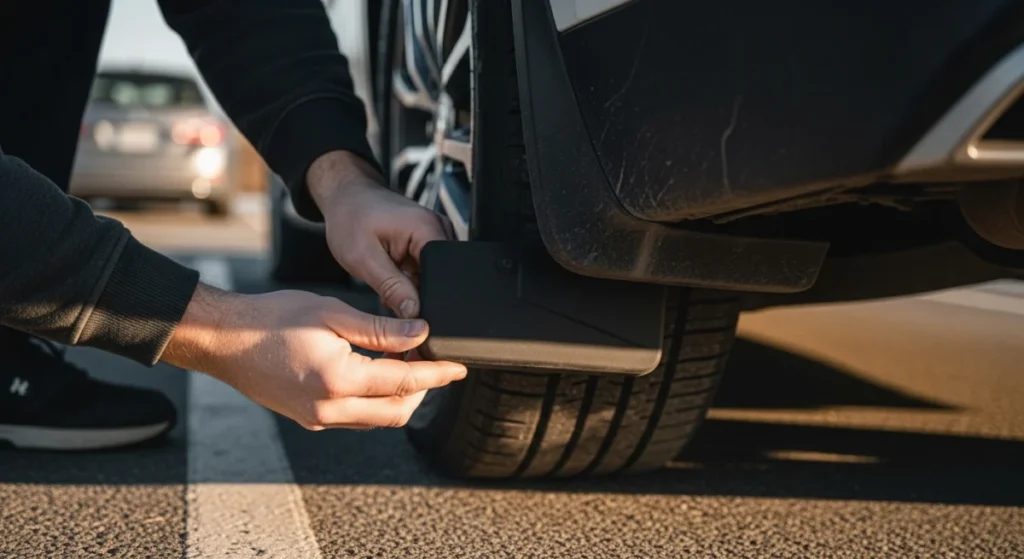
Installing mud flaps is typically a straightforward process, but proper installation is crucial for ensuring their effectiveness and longevity. While some mud flaps require professional installation, many can be installed at home with basic tools.
DIY Installation Guide
Here’s a general overview of the installation process:
1. Gather Tools and Materials: You’ll need a wrench or socket set, screwdriver, drill (optional), measuring tape, and safety glasses. 2. Prepare the Vehicle: Park on a level surface and engage the parking brake. Consult your vehicle’s service manual for any specific recommendations. 3. Position the Mud Flap: Hold the mud flap in place and align it with the existing mounting points on your vehicle’s fender liner or wheel well. 4. Mark Drilling Locations (If Necessary): If the mud flap doesn’t align with existing holes, use a marker to indicate where you’ll need to drill new holes. 5. Drill Pilot Holes (If Necessary): Use a drill bit slightly smaller than the mounting screws to create pilot holes. 6. Attach the Mud Flap: Secure the mud flap using the provided hardware (screws, bolts, or clips). Ensure the fasteners are tightened securely. 7. Repeat for Other Mud Flaps: Follow the same steps to install the remaining mud flaps.
Important Safety Notes:
- Always wear safety glasses when drilling or working under your vehicle.
- Consult your vehicle’s service manual for torque specifications.
- Avoid over-tightening fasteners, which can damage the mud flap or the vehicle’s body.
Professional Installation
If you’re not comfortable installing mud flaps yourself, consider having them professionally installed. A qualified mechanic can ensure proper fitment and secure mounting. This is especially recommended for vehicles with complex body designs or those requiring extensive modifications.
Maintenance and Care for Mud Flaps
Proper maintenance can extend the lifespan of your mud flaps and ensure they continue to provide optimal protection.
Cleaning
- Regularly wash your mud flaps with soap and water to remove accumulated dirt, salt, and road grime.
- Use a soft brush or sponge to avoid scratching the surface.
- Rinse thoroughly with clean water.
Inspection
- Periodically inspect your mud flaps for cracks, tears, or loose fasteners.
- Replace damaged mud flaps promptly to maintain their effectiveness.
- Tighten any loose fasteners to prevent the mud flaps from flapping or coming loose.
Winter Specific Care
- Remove any accumulated ice or snow from the mud flaps to prevent them from becoming too heavy and potentially damaging the mounting points.
- Consider applying a rubber protectant to help prevent cracking and UV damage.
Top Buying Factors for Winter Mud Flaps
Choosing the right mud flaps involves several important considerations.
Vehicle Compatibility
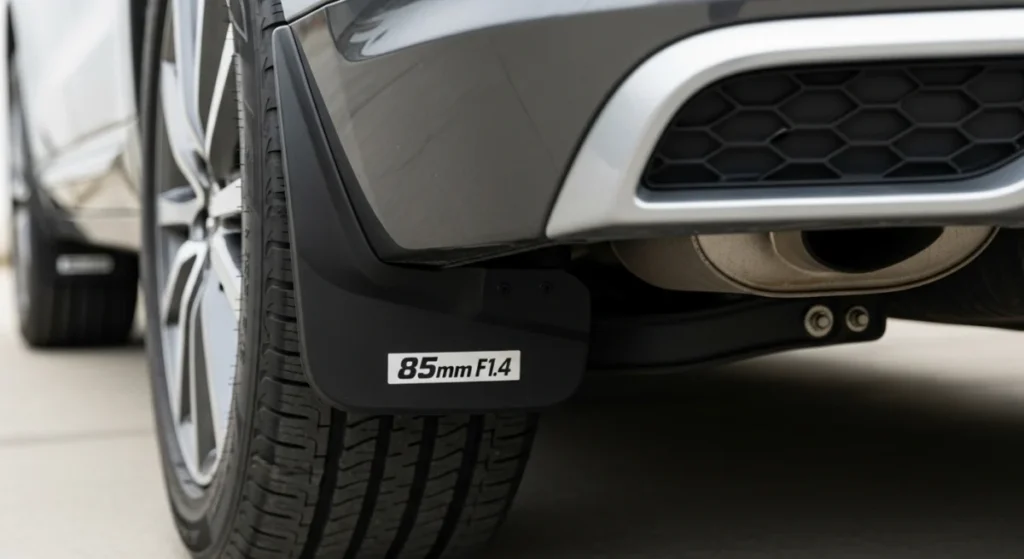
The most crucial factor is ensuring the mud flaps are compatible with your specific vehicle make, model, and year. This guarantees a proper fit and easy installation. Check manufacturer compatibility charts carefully.
Material Quality
Opt for mud flaps made from high-quality, durable materials like heavy-duty rubber, thermoplastic, or composite materials. These materials are more resistant to cracking, tearing, and fading, especially in harsh winter conditions. Polyurethane mud flaps offer excellent flexibility and durability.
Size and Coverage
Choose mud flaps that provide adequate coverage for your tires. They should extend slightly wider than the tires and reach down far enough to effectively deflect debris. Consider the tire size when selecting mud flaps.
Mounting Style
Mud flaps are typically mounted using screws, bolts, or clips. Choose a mounting style that is compatible with your vehicle’s existing mounting points. Consider no-drill mud flaps for an easier installation if available.
Price and Warranty
Compare prices from different manufacturers and retailers, but don’t sacrifice quality for cost. Look for mud flaps with a warranty to protect against defects in materials or workmanship.
Essential FAQ Section
Here are some frequently asked questions about mud flaps for winter driving:
1. Are mud flaps required by law? Laws regarding mud flaps vary by state and province. Some jurisdictions require them for certain types of vehicles or when using specific tire sizes. Check your local regulations.
2. Can I install mud flaps myself? Many mud flaps can be installed at home with basic tools. However, if you’re not comfortable with DIY projects or your vehicle requires modifications, it’s best to have them professionally installed.
3. How often should I replace my mud flaps? The lifespan of mud flaps depends on the material quality, driving conditions, and maintenance. Inspect them regularly and replace them as soon as you notice any cracks, tears, or damage.
4. Will mud flaps affect my vehicle’s fuel economy? Properly designed mud flaps have minimal impact on fuel economy. Avoid excessively large or heavy mud flaps, which can increase drag and reduce fuel efficiency.
5. Are all mud flaps the same? No, mud flaps vary significantly in material, size, shape, mounting style, and quality. Choose mud flaps that are specifically designed for your vehicle and driving conditions.
Conclusion
Investing in a quality set of mud flaps is a smart decision for any vehicle owner, especially those who live in areas with harsh winter weather. By protecting your vehicle from road debris, salt, and ice, mud flaps can help prevent rust, extend the life of your paint job, and enhance your safety on the road. By following the guidance in this article, you can confidently select and install the perfect mud flaps to keep your vehicle protected throughout the winter months and beyond.