Mud Flaps for Trucks vs. Cars: A Comprehensive Guide
Driving down a rain-soaked highway, the spray from passing vehicles pelting your windshield is a common, and frankly annoying, experience. But beyond mere annoyance, this flying debris – water, mud, rocks, and road salt – poses a real threat to your vehicle’s paint job, undercarriage, and even the safety of other drivers. According to the National Highway Traffic Safety Administration (NHTSA), debris-related accidents account for a significant percentage of roadside incidents annually, often stemming from inadequate vehicle protection. The solution? Mud flaps. While seemingly simple, mud flaps are a critical component in safeguarding your vehicle and promoting road safety. This guide will delve deep into the world of mud flaps, comparing and contrasting their application in trucks versus cars, offering expert insights to help you make informed decisions.
Understanding Mud Flaps: Functionality and Purpose
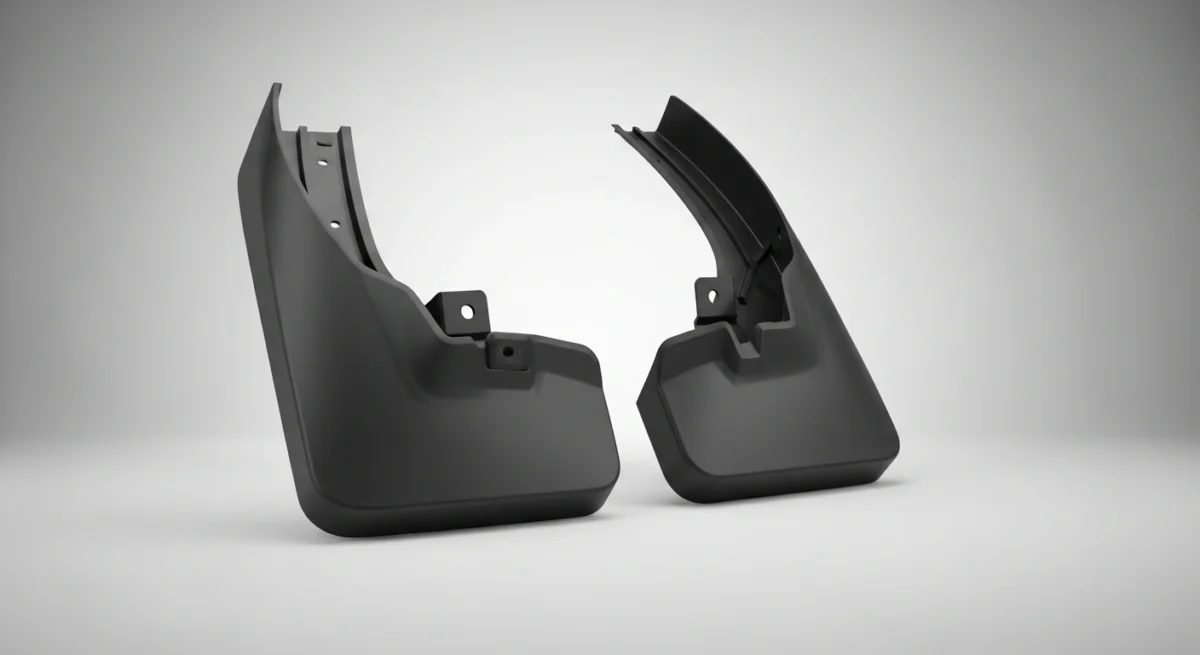
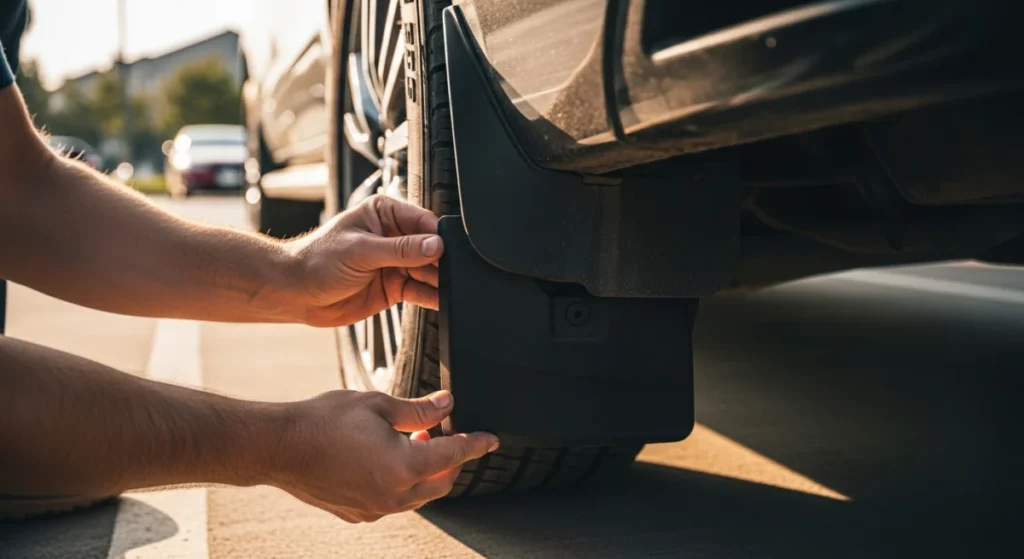
Mud flaps, also known as splash guards or splash aprons, are flexible barriers typically made of rubber, plastic, or metal, mounted behind the wheels of a vehicle. Their primary function is to intercept and deflect road spray, mud, rocks, snow, and other debris thrown up by the tires.
How Mud Flaps Work
The physics behind mud flap functionality is straightforward. As a tire rotates, it picks up loose material from the road surface. Without mud flaps, this material is launched rearward, potentially impacting the vehicle’s body, undercarriage, and trailing vehicles. Mud flaps act as a shield, interrupting the trajectory of this debris and redirecting it downwards, closer to the road surface. This minimizes the damage to your own vehicle and reduces the risk of damage or injury to others.
Benefits and Key Features of Mud Flaps
Investing in mud flaps offers a range of advantages for both trucks and cars, although specific benefits may vary based on vehicle type and driving conditions.
Protection from Damage
Protecting your vehicle: Mud flaps significantly reduce the likelihood of paint chipping, rusting, and corrosion caused by road debris. They shield the undercarriage from the constant barrage of salt and water, extending the lifespan of critical components. For trucks, this is especially important due to their larger tire size and greater potential for throwing debris.
Protecting other vehicles: By minimizing road spray and debris, mud flaps enhance visibility for drivers behind you, reducing the risk of accidents. They also prevent rocks and other projectiles from hitting other vehicles, mitigating potential damage and liability.
Enhanced Safety
Improved visibility: Reducing road spray, especially during wet conditions, improves visibility for both the driver of the equipped vehicle and those following behind.
Debris Control: Preventing the launch of rocks and other hazards prevents potential windshield cracks and body damage to nearby vehicles, contributing to safer roads.
Aesthetical Enhancement
Customization options: Mud flaps come in a variety of styles, materials, and sizes, allowing you to customize the look of your vehicle. Some even feature logos, chrome accents, or unique designs.
Maintaining a clean look: By reducing mud and road grime buildup, mud flaps help keep your vehicle cleaner for longer.
Key Features to Look For
- Material: Rubber, plastic, and metal (usually stainless steel or aluminum) are common. Rubber offers flexibility and durability, while plastic is lightweight and cost-effective. Metal is extremely durable and resistant to damage.
- Size and Shape: Choose mud flaps that are appropriately sized for your vehicle’s tire dimensions and wheel well design. Overly small flaps offer inadequate protection, while excessively large flaps can drag on the ground.
- Thickness: Thicker mud flaps are generally more durable and resistant to tearing or cracking.
- Mounting Hardware: Ensure that the mud flaps come with high-quality mounting hardware that is resistant to corrosion. Stainless steel hardware is a good choice.
- Anti-Sail Design: Some mud flaps feature an anti-sail design, which helps prevent them from flapping excessively at high speeds.
Installation Tips for Mud Flaps
Installing mud flaps is a relatively straightforward process that can be completed at home with basic tools. However, professional installation is always an option if you’re uncomfortable with DIY projects.
Preparing for Installation
Gather your tools: You’ll typically need a drill, screwdriver, wrench, measuring tape, and safety glasses.
Review the instructions: Carefully read the manufacturer’s instructions before beginning the installation process.
Clean the area: Thoroughly clean the area behind the wheels where the mud flaps will be mounted.
Installation Steps
1. Position the mud flap: Hold the mud flap in place and align it with the wheel well. 2. Mark the mounting holes: Use a marker to indicate the location of the mounting holes on the vehicle’s body. 3. Drill pilot holes (if necessary): If the vehicle doesn’t have pre-existing mounting holes, drill pilot holes at the marked locations. Ensure you’re not drilling into brake lines or other sensitive components. 4. Attach the mud flap: Secure the mud flap to the vehicle using the provided mounting hardware. Ensure all screws and bolts are tightened properly. 5. Repeat for all mud flaps: Repeat the process for the remaining mud flaps.
Specific Considerations for Trucks
Trucks often require larger and more robust mud flaps than cars due to their higher ground clearance and larger tires. Some trucks may require drilling new mounting holes, while others may utilize existing mounting points. When choosing mud flaps for a truck, consider the truck’s intended use. For example, off-road trucks will benefit from mud flaps that are highly flexible and resistant to tearing.
Maintenance and Care of Mud Flaps
Proper maintenance and care can extend the lifespan of your mud flaps and ensure their continued effectiveness.
Cleaning
Regularly clean your mud flaps with soap and water to remove mud, dirt, and road grime. A pressure washer can be used for more stubborn debris.
Inspection
Periodically inspect your mud flaps for signs of damage, such as cracks, tears, or loose mounting hardware. Replace damaged mud flaps promptly to maintain their effectiveness.
Tightening Hardware
Regularly check and tighten the mounting hardware to prevent the mud flaps from becoming loose or detached.
Winter Care
During the winter months, pay extra attention to your mud flaps. Salt and de-icing chemicals can accelerate corrosion, so rinse your mud flaps frequently to remove these contaminants.
Top Buying Factors for Mud Flaps
Choosing the right mud flaps requires careful consideration of several factors.
Vehicle Type
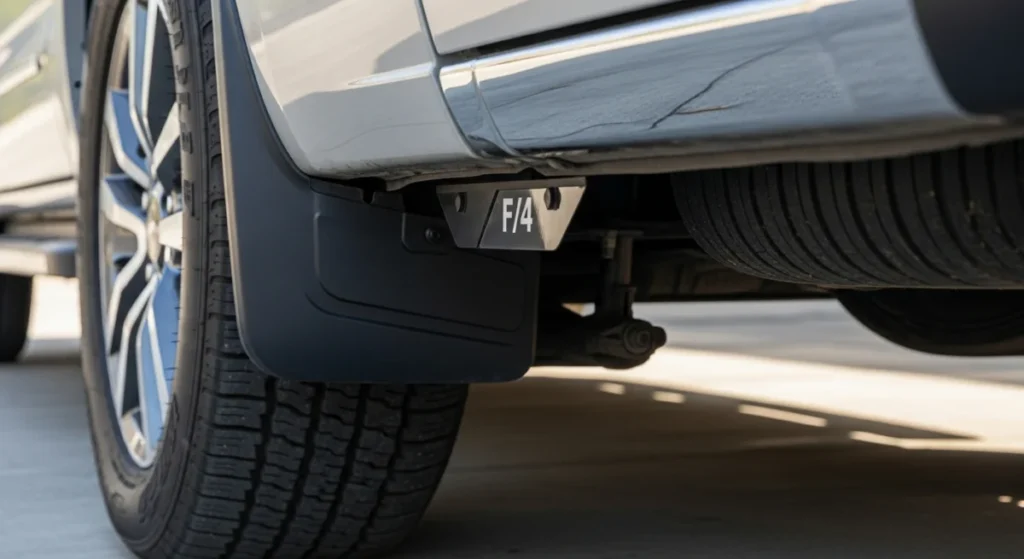
The size and type of mud flaps will depend on whether you’re buying for a car, truck, SUV, or van. Trucks, especially lifted ones, need larger and more durable flaps.
Intended Use
Consider how you use your vehicle. If you frequently drive off-road, you’ll need mud flaps that are more resistant to tearing and damage.
Material
Choose a material that is appropriate for your driving conditions. Rubber is a good all-around choice, while plastic is more budget-friendly. Metal is the most durable option but can be more expensive.
Style
Select a style that complements the look of your vehicle. There are many different styles to choose from, including plain flaps, molded flaps, and flaps with logos or designs.
Price
Mud flaps range in price from inexpensive to premium. Consider your budget and choose mud flaps that offer a good balance of quality and value.
Essential FAQ about Mud Flaps
- Q: Are mud flaps required by law?
- A: Mud flap requirements vary by state and local regulations. Some jurisdictions have specific requirements regarding the size and placement of mud flaps, especially for commercial vehicles. Always check your local laws.
- Q: Can I install mud flaps myself?
- A: Yes, most mud flaps can be installed at home with basic tools and some mechanical knowledge. However, if you’re not comfortable with DIY projects, professional installation is recommended.
- Q: What’s the best material for mud flaps?
- A: The best material depends on your needs and budget. Rubber is a good all-around choice, offering durability and flexibility. Plastic is more affordable, while metal is the most durable but also the most expensive.
- Q: How often should I replace my mud flaps?
- A: Replace your mud flaps when they become damaged, torn, or worn out. Regular inspection and maintenance can help extend their lifespan.
- Q: Do mud flaps affect fuel economy?
- A: The impact on fuel economy is minimal. While large, rigid mud flaps *could* slightly increase drag, the effect is usually negligible for most passenger vehicles and even trucks.
Conclusion
Mud flaps are an essential investment for protecting your vehicle from damage, enhancing road safety, and maintaining a clean appearance. By understanding the different types of mud flaps, their benefits, and how to properly install and maintain them, you can make an informed decision and choose the right mud flaps for your truck or car. Remember to consider your vehicle type, intended use, and local regulations when making your selection. Safe driving!