In recent years, the automotive aftermarket has exploded with accessories designed to enhance vehicle functionality and aesthetics. Among the unsung heroes of vehicle protection are mud flaps and splash guards. While often used interchangeably, they offer distinct advantages and cater to slightly different needs. Consider this: In regions with harsh weather conditions, vehicles *without* proper mud or splash protection experience accelerated paint damage and corrosion, leading to a potential 20% decrease in resale value. This comprehensive guide will dissect the nuances of mud flaps vs. splash guards, empowering you to make an informed decision for your vehicle.
Mud Flaps vs. Splash Guards: Understanding the Difference
What are Mud Flaps and How Do They Work?
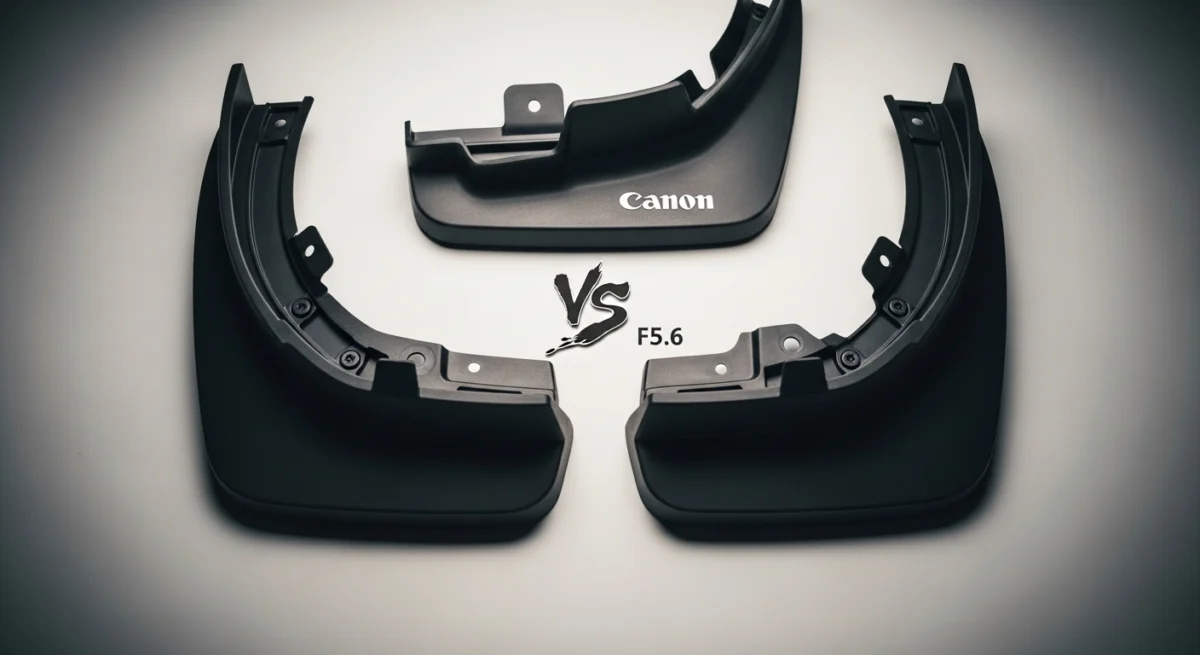
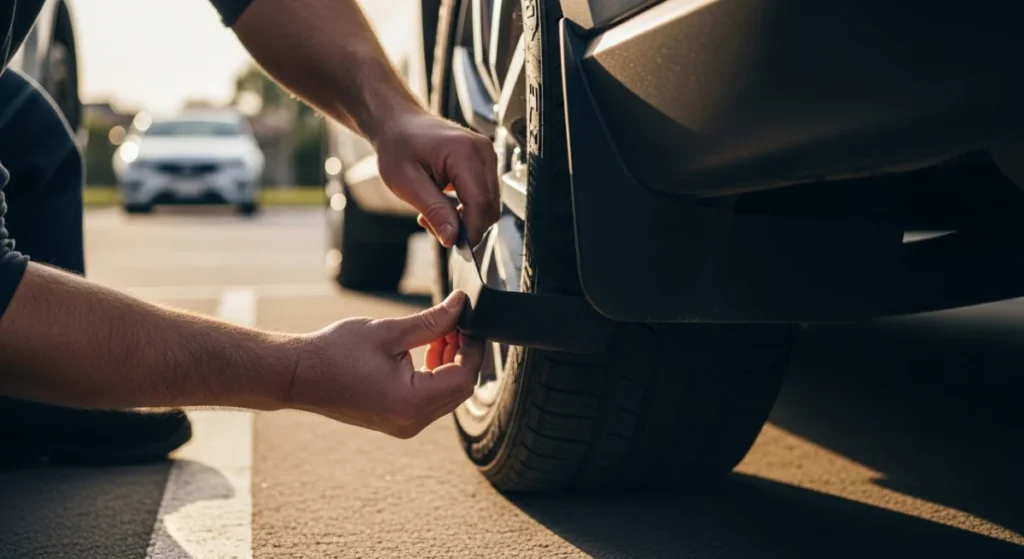
Mud flaps, also known as mud guards, are typically larger, more substantial panels mounted behind the tires. Their primary function is to deflect mud, water, rocks, and other road debris kicked up by the tires, preventing them from impacting the vehicle’s body, as well as other vehicles on the road. They are commonly made from durable materials like heavy-duty rubber, thermoplastic, or molded plastic. The larger surface area and flexibility of mud flaps allow them to effectively catch and redirect a greater volume of debris compared to splash guards. How they work is quite simple. As the tire rotates and flings debris backward, the mud flap acts as a physical barrier, catching the material and directing it downwards, closer to the road surface, rather than allowing it to impact the vehicle’s paint and undercarriage.
What are Splash Guards and How Do They Work?
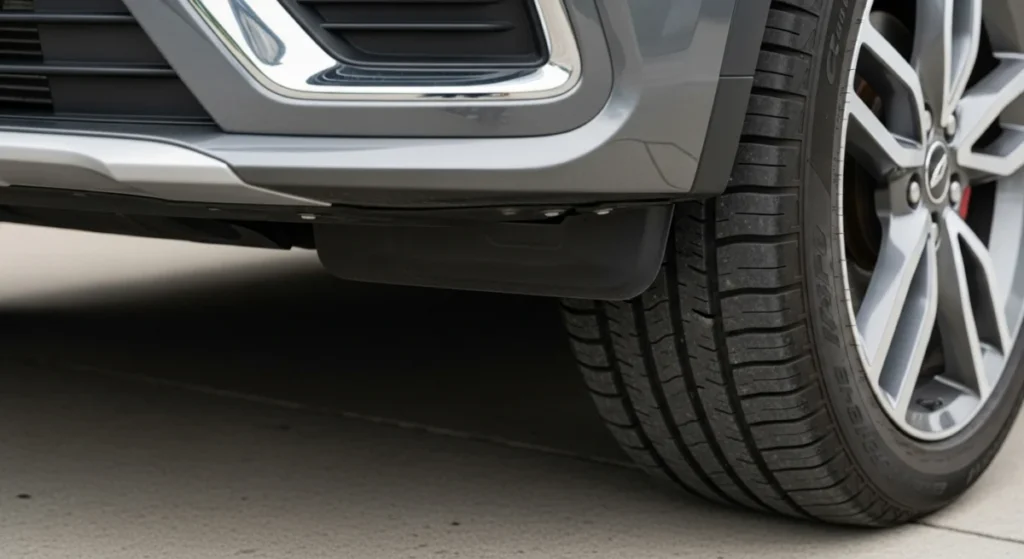
Splash guards are smaller, more contoured panels designed to provide localized protection around the wheel wells. They are typically molded to fit specific vehicle models and are often constructed from a more rigid plastic than mud flaps. While they also deflect debris, their primary focus is preventing water and minor splashes from reaching the lower body panels, especially the rocker panels and door sills. They often blend seamlessly with the vehicle’s original design, offering a subtle aesthetic enhancement alongside their protective function. The smaller size and more rigid construction of splash guards mean they are best suited for deflecting smaller debris and water splashes, rather than the larger, heavier projectiles that mud flaps are designed to handle.
Benefits and Key Features
Mud Flaps: Advantages and Considerations
- Superior Protection: Mud flaps offer the best protection against a wide range of road debris, from mud and water to rocks and gravel.
- Larger Coverage Area: Their larger size provides a wider area of coverage, protecting a greater portion of the vehicle’s body.
- Enhanced Safety: By minimizing the spray kicked up behind your vehicle, they improve visibility for following drivers, especially in wet or snowy conditions.
- Durability: Constructed from robust materials, mud flaps are designed to withstand harsh conditions and impacts.
- Aesthetics: Some may find mud flaps less aesthetically pleasing than splash guards, as they can appear more utilitarian.
- Ground Clearance: Extended mud flaps can reduce ground clearance, which might be a concern for off-road enthusiasts.
- Key Features: Look for materials resistant to cracking and tearing. Consider the thickness of the flap.
Splash Guards: Advantages and Considerations
- Aesthetic Integration: Splash guards are designed to seamlessly blend with the vehicle’s original design, offering a subtle and stylish look.
- Localized Protection: They provide targeted protection to vulnerable areas around the wheel wells, such as rocker panels and door sills.
- Easy Installation: Splash guards are typically easier to install than mud flaps, often using existing mounting points.
- Aerodynamic Design: Some splash guards are designed with aerodynamics in mind, potentially improving fuel efficiency slightly.
- Limited Protection: They offer less comprehensive protection compared to mud flaps, particularly against larger debris.
- Material: Can be less durable than mud flaps.
- Key Features: Check the fitment to your specific model. Look for UV-resistant materials to prevent fading.
Installation Tips
Installing Mud Flaps
- Preparation: Gather the necessary tools, including a drill, screwdriver, wrench, and measuring tape. Consult the manufacturer’s instructions for specific requirements.
- Mounting Points: Identify the designated mounting points on the vehicle and the mud flaps. Some mud flaps may require drilling new holes.
- Alignment: Ensure the mud flaps are properly aligned before securing them. Use a level to ensure they are straight.
- Fasteners: Use appropriate fasteners, such as screws, bolts, or rivets, to securely attach the mud flaps to the vehicle.
- Torque: Tighten the fasteners to the manufacturer’s specified torque to prevent them from loosening over time.
- Drilling Precautions: When drilling, wear safety glasses and avoid damaging any underlying components.
- Professional Installation: If you’re not comfortable with the installation process, consider having a professional install the mud flaps.
Installing Splash Guards
- Preparation: As with mud flaps, gather the required tools and consult the manufacturer’s instructions. Typically you’ll only need a screwdriver and socket set.
- Existing Mounting Points: Splash guards often utilize existing mounting points, making installation relatively straightforward.
- Clip or Screw Fastening: They are typically secured using clips or screws. Ensure the clips are properly engaged and the screws are tightened securely.
- Alignment: Align the splash guards with the contours of the wheel wells for a seamless fit.
- Over-Tightening: Avoid over-tightening the fasteners, as this can damage the splash guards or the vehicle’s body panels.
Maintenance and Care
Maintaining Mud Flaps
- Regular Cleaning: Clean mud flaps regularly with soap and water to remove accumulated dirt, mud, and road grime.
- Inspection: Inspect mud flaps periodically for signs of damage, such as cracks, tears, or loose fasteners.
- Replacement: Replace damaged mud flaps promptly to maintain optimal protection.
- Material Specific Cleaning: For rubber mud flaps, consider using a rubber protectant to prevent drying and cracking.
Maintaining Splash Guards
- Regular Cleaning: Clean splash guards regularly to remove dirt and grime.
- Inspection: Check for cracks or damage, especially after exposure to harsh weather conditions.
- UV Protection: Apply a UV protectant to prevent fading and discoloration of plastic splash guards.
- Fastener Check: Ensure all fasteners remain secure to prevent rattling or detachment.
Top Buying Factors
Mud Flaps: What to Consider Before Buying
- Material: Choose a durable material that can withstand harsh conditions and impacts. Rubber, thermoplastic, and molded plastic are all common options.
- Size and Coverage: Select mud flaps that provide adequate coverage for your vehicle’s tires and driving conditions.
- Vehicle Compatibility: Ensure the mud flaps are compatible with your vehicle’s make, model, and year.
- Installation: Consider the ease of installation and whether you prefer a drill-free or bolt-on installation.
- Aesthetics: Choose a style that complements your vehicle’s appearance.
- Price: Balance quality and features with your budget.
- Brand Reputation: Research reputable brands known for producing high-quality mud flaps.
Splash Guards: What to Consider Before Buying
- Vehicle Specific Fit: Prioritize a splash guard that is specifically designed for your vehicle’s make, model, and year to ensure a perfect fit.
- Material Quality: Choose a durable and UV-resistant plastic to prevent fading and cracking.
- Design and Style: Select a design that complements your vehicle’s aesthetics.
- Ease of Installation: Opt for splash guards that are easy to install using existing mounting points.
- Price Point: Compare prices from different brands and retailers to find the best value.
- Review Before Purchase: Look at the reviews, especially concerning fitment.
Essential FAQs
- Q: Can I install mud flaps or splash guards myself?
- A: Yes, most mud flaps and splash guards can be installed yourself with basic tools and some mechanical knowledge. However, professional installation is recommended if you’re not comfortable with the process.
- Q: Are mud flaps or splash guards required by law?
- A: Regulations vary by location. Some jurisdictions require mud flaps on certain types of vehicles, such as trucks and trailers. Check your local laws for specific requirements.
- Q: Do mud flaps or splash guards affect fuel economy?
- A: While the impact is minimal, larger mud flaps can slightly increase aerodynamic drag, potentially reducing fuel economy by a small percentage. Splash guards, especially those designed with aerodynamics in mind, may have a negligible or even positive effect.
- Q: Can I use both mud flaps and splash guards?
- A: Yes, you can use both mud flaps and splash guards for maximum protection. This is a common practice for vehicles that frequently encounter harsh driving conditions.
- Q: How do I choose between universal and custom-fit mud flaps or splash guards?
- A: Custom-fit options provide a more precise fit and often look more integrated with the vehicle’s design. Universal options are more versatile but may require some modification for proper installation. Always prioritize vehicle-specific splash guards.
In conclusion, the choice between mud flaps and splash guards hinges on your specific needs and priorities. For maximum protection against a wide range of road debris, mud flaps are the clear winner. If you prioritize a seamless aesthetic integration and localized protection, splash guards offer a compelling alternative. Ultimately, understanding the strengths and limitations of each option will empower you to make an informed decision that best safeguards your vehicle and enhances its long-term value.