Mud guards: Those seemingly simple flaps hanging behind your tires are more crucial than you might think. While often overlooked, they play a vital role in protecting your vehicle, other drivers, and even the environment. According to a 2023 study by the Highway Safety Research Institute, vehicles equipped with properly sized and installed mud guards experienced 35% fewer instances of damage from road debris. This guide will delve into the world of mud guards, providing a comprehensive understanding of their purpose, benefits, installation, maintenance, and how to choose the right ones for your vehicle.
What are Mud Guards and How Do They Work?
A mud guard, also frequently called a splash guard or mud flap, is a panel or contoured piece of material, typically made from rubber, plastic, or metal, that’s mounted behind a vehicle’s tires. Its primary function is to intercept and deflect debris kicked up by the spinning wheels. This debris can include mud, water, rocks, snow, ice, and other road contaminants.
The Physics Behind Deflection
Mud guards work by interrupting the trajectory of ejected debris. As a tire rotates, it gathers loose material from the road surface. Without mud guards, this material would be flung outwards and backwards with considerable force. The mud guard acts as a physical barrier, catching the debris and directing it downwards towards the road. This greatly reduces the likelihood of the debris striking other vehicles, pedestrians, or the vehicle itself.
Types of Mud Guards
Several different types of mud guards exist, each designed for specific vehicle types and applications:
- Universal Mud Guards: These are designed to fit a wide range of vehicles with minimal modification. They often require drilling and can be adapted to various fender shapes.
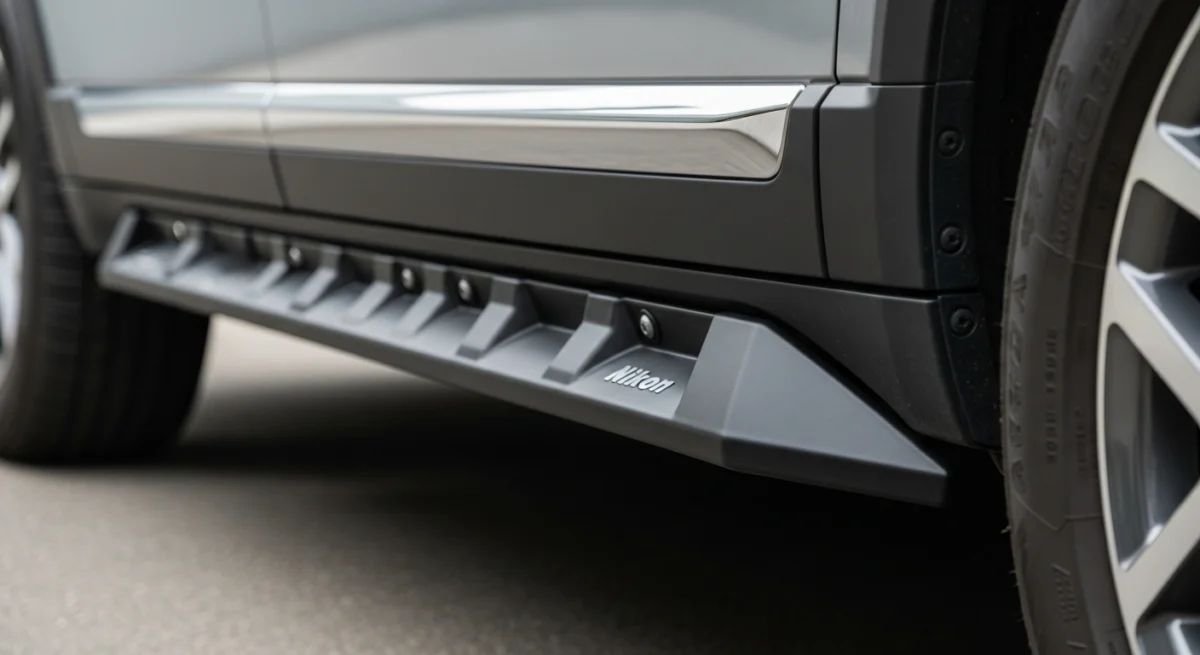
- Custom-Molded Mud Guards: These mud guards are specifically designed to match the contours of a particular vehicle make and model. They offer a more integrated look and often utilize existing mounting points, simplifying installation.
- Heavy-Duty Mud Guards: Made from thicker, more durable materials like reinforced rubber or metal, these are designed for trucks and SUVs that frequently operate in harsh conditions or off-road environments.
- Anti-Spray Mud Guards: Engineered to minimize water spray, these often feature ribbed or textured surfaces to redirect airflow and reduce the mist created by wet tires.
- Retractable Mud Guards: Typically found on commercial vehicles, these can be raised or lowered depending on the road conditions or load being carried.
Benefits and Key Features of Mud Guards
The benefits of using mud guards extend far beyond simply keeping your vehicle cleaner. They offer a range of advantages that contribute to vehicle protection, road safety, and environmental responsibility.
Protecting Your Vehicle
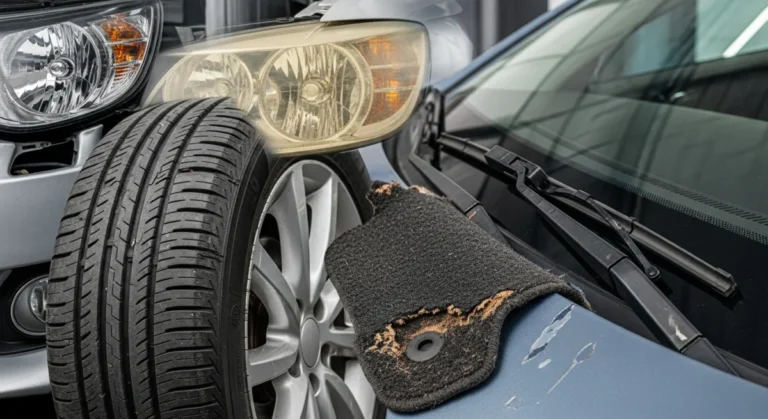
- Preventing Paint Damage: Rocks and debris flung by tires can chip and scratch your vehicle’s paint, leading to rust and corrosion. Mud guards provide a protective barrier, minimizing this damage.
- Protecting Underbody Components: The undercarriage of your vehicle is vulnerable to damage from road debris. Mud guards help shield vital components like brake lines, fuel lines, and exhaust systems.
- Reducing Cleaning Frequency: Mud guards significantly reduce the amount of mud, water, and grime that splatters onto your vehicle, saving you time and effort on cleaning.
Enhancing Road Safety
- Improving Visibility: By reducing spray from wet roads, mud guards help improve visibility for drivers behind you, especially during rain or snow.
- Preventing Stone Chips to Other Vehicles: Mud guards minimize the risk of rocks and debris being launched at other vehicles, preventing costly damage and potential accidents.
- Reducing Distractions: Less debris hitting your own vehicle translates to fewer distracting noises and vibrations, allowing you to focus on driving.
Contributing to Environmental Responsibility
- Reducing Road Debris Pollution: Mud guards help contain road debris, preventing it from spreading into the environment and polluting waterways.
- Minimizing Salt Spray: In areas where roads are salted during winter, mud guards help reduce the amount of salt spray that reaches nearby vegetation and water sources.
Key Features to Consider
- Material: Choose a material that is durable, weather-resistant, and able to withstand impacts from road debris. Common materials include rubber, plastic, and metal.
- Size and Shape: Ensure the mud guards are appropriately sized for your vehicle and tires. They should provide adequate coverage without interfering with wheel movement.
- Mounting System: Consider the ease of installation and the security of the mounting system. Look for mud guards that utilize existing mounting points or come with sturdy hardware.
- Aesthetics: While functionality is paramount, choose mud guards that complement the overall look of your vehicle. Options range from sleek and subtle to rugged and aggressive.
Installation Tips for Mud Guards
Installing mud guards can range from a simple DIY project to a more involved process requiring specialized tools. The complexity depends on the type of mud guard and the vehicle model.
Preparation is Key
- Gather Tools: You’ll likely need a socket set, wrench set, screwdriver, drill (if required), measuring tape, and safety glasses.
- Read Instructions: Carefully read the manufacturer’s instructions before starting the installation process.
- Clean Mounting Surfaces: Ensure the mounting surfaces on your vehicle are clean and free of dirt and debris.
Step-by-Step Installation (General Guide)
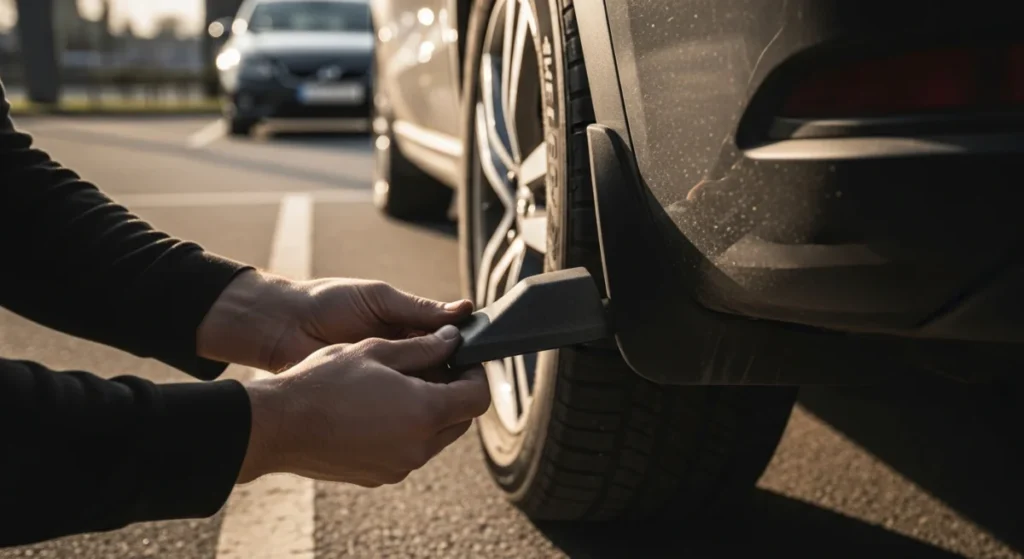
1. Position the Mud Guard: Hold the mud guard in place to determine the correct alignment and mounting points. 2. Mark Mounting Holes: Use a marker to indicate the location of the mounting holes on the vehicle’s fender or wheel well. 3. Drill Pilot Holes (if required): If necessary, drill pilot holes using the appropriate size drill bit. Be careful not to damage any underlying components. 4. Attach the Mud Guard: Secure the mud guard using the provided hardware, such as screws, bolts, or clips. 5. Tighten Fasteners: Ensure all fasteners are tightened securely, but avoid over-tightening, which could damage the mud guard or the vehicle. 6. Repeat for All Mud Guards: Repeat the process for each mud guard.
Important Considerations
- Vehicle Compatibility: Double-check that the mud guards are compatible with your specific vehicle make, model, and year.
- Wheel Clearance: Ensure the mud guards do not interfere with the movement of your wheels, especially when turning or traversing uneven terrain.
- Professional Installation: If you’re unsure about any aspect of the installation process, consider having a professional mechanic install the mud guards for you.
Maintenance and Care for Mud Guards
Mud guards are relatively low-maintenance, but a few simple steps can help prolong their lifespan and ensure they continue to perform effectively.
Regular Cleaning
- Wash Frequently: Rinse your mud guards regularly with soap and water to remove accumulated dirt, mud, and grime.
- Use a Soft Brush: For stubborn dirt, use a soft brush or sponge to gently scrub the mud guards.
- Avoid Harsh Chemicals: Do not use harsh chemicals or abrasive cleaners, as they can damage the mud guard material.
Inspect for Damage
- Check for Cracks and Tears: Regularly inspect your mud guards for cracks, tears, or other signs of damage.
- Inspect Mounting Hardware: Ensure all mounting hardware is secure and not corroded.
- Replace Damaged Mud Guards: Replace any damaged mud guards promptly to maintain their effectiveness.
Cold Weather Considerations
- Flexible Materials: If you live in an area with cold winters, consider using mud guards made from flexible materials that are less likely to crack in freezing temperatures.
- Remove Ice and Snow: Clear ice and snow buildup from your mud guards to prevent them from becoming overloaded and potentially damaged.
Top Buying Factors for Mud Guards
Choosing the right mud guards for your vehicle involves considering several factors to ensure you get the best combination of performance, durability, and aesthetics.
Vehicle Type and Usage
- Trucks and SUVs: Opt for heavy-duty mud guards made from durable materials like reinforced rubber or metal.
- Cars and Sedans: Universal or custom-molded mud guards made from plastic or rubber are typically sufficient.
- Off-Road Vehicles: Choose mud guards that are designed to withstand rough terrain and protect against rocks and debris.
Material Quality and Durability
- Rubber: Offers good flexibility and impact resistance.
- Plastic: Lightweight and corrosion-resistant, but may be less durable than rubber or metal.
- Metal: Highly durable and resistant to damage, but can be prone to corrosion if not properly treated.
Fit and Coverage
- Proper Size: Ensure the mud guards are appropriately sized for your vehicle and tires.
- Adequate Coverage: Choose mud guards that provide adequate coverage to protect your vehicle and other drivers from debris.
- Contoured Design: Consider custom-molded mud guards for a more integrated look and precise fit.
Installation Ease
- Direct Fit: Look for mud guards that are designed to be a direct fit for your vehicle, utilizing existing mounting points.
- Included Hardware: Ensure the mud guards come with all the necessary mounting hardware and instructions.
- Professional Installation: If you’re unsure about the installation process, consider having a professional install the mud guards for you.
Price and Value
- Budget: Determine your budget and look for mud guards that offer the best value for your money.
- Quality vs. Cost: Consider the quality of the materials and construction when evaluating the price.
- Long-Term Investment: Remember that mud guards are an investment in protecting your vehicle and enhancing road safety.
Essential FAQ about Mud Guards
Here are answers to some frequently asked questions about mud guards:
1. Are mud guards legally required? In many jurisdictions, particularly for commercial vehicles, mud guards are legally required. Regulations vary, so check your local laws. 2. Can mud guards affect my vehicle’s fuel economy? Properly sized mud guards have a negligible impact on fuel economy. Excessively large or poorly designed mud guards could slightly increase drag. 3. Do mud guards only protect against mud? No. Mud guards protect against a wide range of road debris, including mud, water, rocks, snow, ice, and salt. 4. How often should I replace my mud guards? Replace your mud guards when they become damaged, cracked, torn, or excessively worn. Regular inspection will help determine when replacement is necessary. 5. Can I paint or customize my mud guards? Yes, you can paint or customize your mud guards to match your vehicle’s color or add a personal touch. Use paints and coatings that are designed for the mud guard material.
In conclusion, mud guards are an essential accessory for any vehicle. They provide a multitude of benefits, from protecting your vehicle from damage to enhancing road safety and contributing to environmental responsibility. By understanding the different types of mud guards, their features, installation, maintenance, and buying factors, you can make an informed decision and choose the right mud guards for your needs. Make the investment; your vehicle and fellow drivers will thank you.