Mud flaps on lifted vehicles: The ultimate guide
Did you know that a simple accessory like a mud flap can save you hundreds, even thousands, of dollars in paint repair? Lifted trucks and SUVs are undeniably cool, projecting an image of rugged capability. However, their increased ride height and often larger, more aggressive tires also mean they fling more road debris – rocks, mud, water, and even ice – further and with greater force. This not only poses a hazard to other vehicles but also subjects your own ride to accelerated wear and tear. Mud flaps, often overlooked, are the unsung heroes in mitigating these issues. This comprehensive guide will provide everything you need to know about mud flaps for lifted vehicles, ensuring you make the right choice for your rig and driving needs.
What are Mud Flaps and How Do They Work?
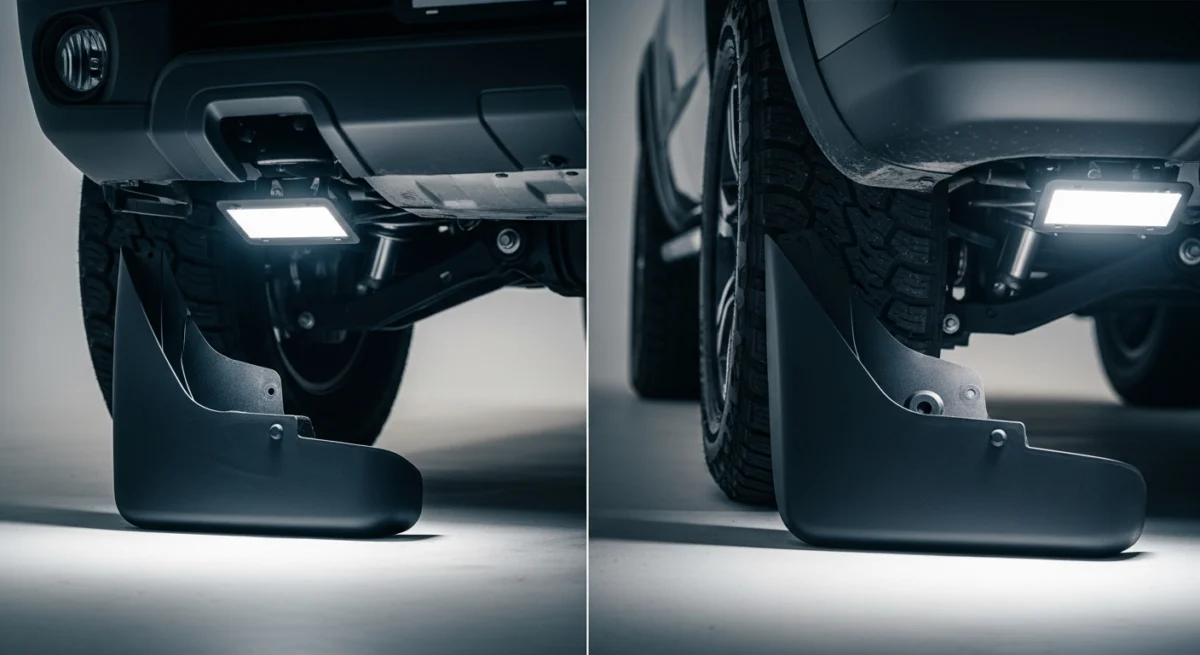
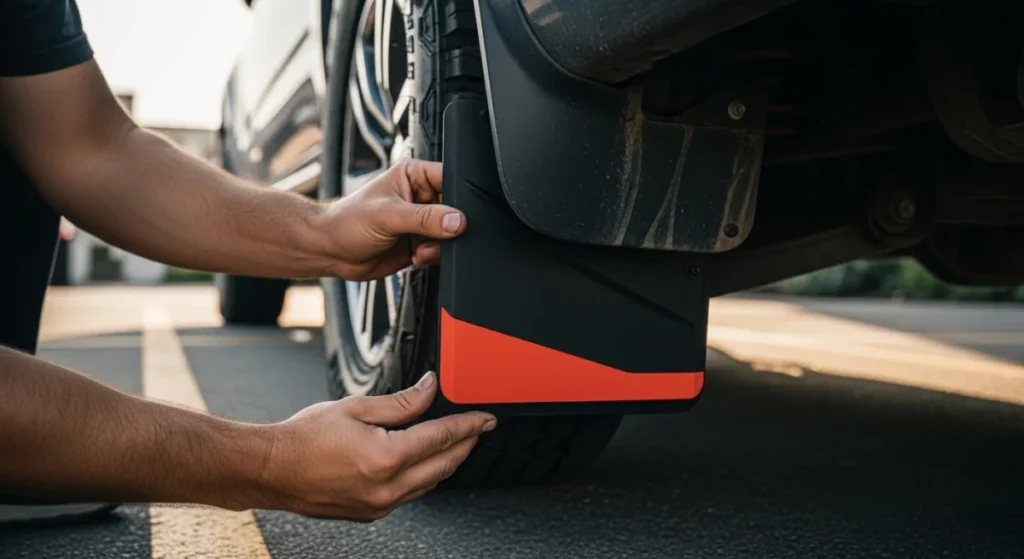
A mud flap, also known as a splash guard, is a protective barrier typically made of rubber, thermoplastic, or metal. It’s mounted behind the tires of a vehicle to deflect road debris ejected from the spinning wheels. For lifted vehicles, this simple device is even more crucial.
Basic Principles of Operation
Mud flaps work by intercepting the trajectory of debris thrown upward and backward by the rotating tires. When a tire kicks up a rock, for instance, the mud flap acts as a physical shield. Instead of the rock hitting the body of the vehicle, another car, or even a pedestrian, it strikes the mud flap and is directed downwards. This principle applies to mud, water, snow, and other road grime. The larger and wider the mud flap, the more effectively it catches debris, offering superior protection. Larger tires often compound the need for extended or wider mud flaps.
Benefits and Key Features of Mud Flaps
Investing in a good set of mud flaps for your lifted vehicle offers numerous benefits, extending beyond simple aesthetics.
Protection Against Damage
- Paint Protection: Preventing rock chips and scratches to your vehicle’s paint job. This is the most significant benefit.
- Underbody Protection: Guarding the undercarriage from rust and corrosion caused by road salt and chemicals.
- Windshield Protection (For Others): Reducing the risk of flying debris damaging the windshields of vehicles following you. This promotes road safety and reduces liability.
Legal Compliance
- Legal Requirements: In many jurisdictions, mud flaps are legally required on vehicles with oversized tires or significant lift kits. Check your local regulations to avoid fines.
- DOT Compliance: Some mud flaps are specifically designed and certified to meet Department of Transportation (DOT) regulations.
Aesthetic Enhancement
- Rugged Appearance: Mud flaps can complement the rugged look of a lifted vehicle.
- Customization Options: Available in various materials, designs, and colors to match your vehicle’s style. Many offer customization such as adding your vehicle’s logo.
Key Features to Look For
- Material: Rubber, thermoplastic, and metal each offer different levels of durability and flexibility. Thermoplastic is a common and durable choice.
- Size and Shape: Choose a size and shape that adequately covers the width of your tires and extends low enough to be effective. For lifted vehicles, oversized or extended length mud flaps are often necessary.
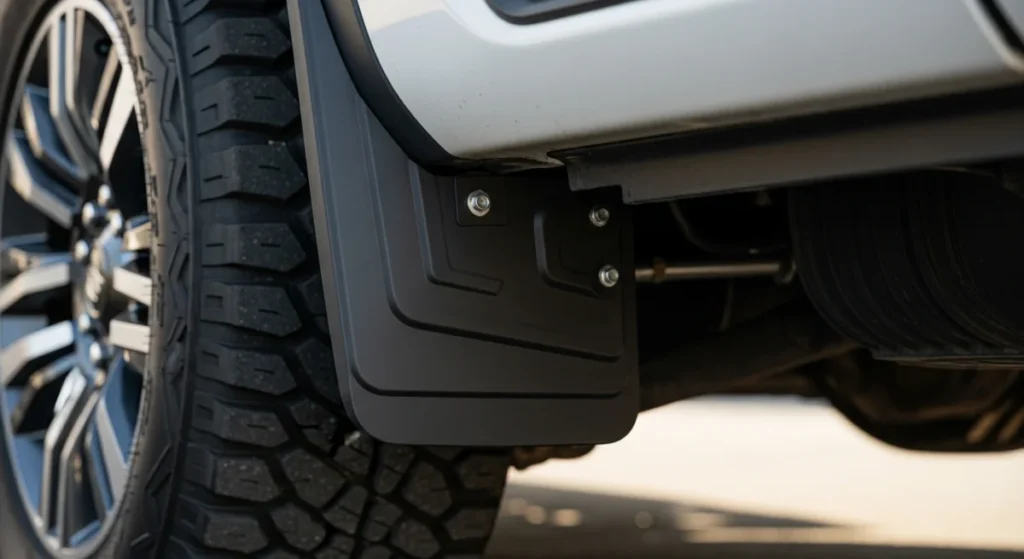
- Mounting System: Ensure the mud flaps have a robust and secure mounting system that can withstand the rigors of off-road driving, if applicable. Options include direct bolt-on and universal fit systems.
- Anti-Spray Design: Some mud flaps feature special designs that help to reduce water spray.
- Weight: Consider the weight, especially for off-road use, as excessive weight can impact suspension performance.
Installation Tips
Installing mud flaps is generally a straightforward process, but there are a few tips to keep in mind.
Preparation
- Gather Tools: You’ll typically need a socket set, wrench set, drill (if required for universal fit), measuring tape, and a marker.
- Review Instructions: Carefully read the instructions provided by the manufacturer.
- Safety First: Wear safety glasses and gloves to protect yourself.
Mounting Process
- Direct Bolt-On: For direct bolt-on kits, simply align the mud flaps with the existing mounting points and secure them with the provided hardware.
- Universal Fit: Universal fit kits may require drilling new holes in the fender liners. Use a measuring tape and marker to accurately position the mud flaps before drilling.
- Clearance Check: Ensure that the mud flaps do not interfere with the tires or suspension components throughout the full range of motion. This is especially crucial for vehicles with large tires and significant suspension travel.
- Secure Fastening: Use thread locker on the bolts to prevent them from loosening over time, especially if driving off-road.
Specific Considerations for Lifted Vehicles
- Extended Length: Account for the increased ride height of your lifted vehicle by choosing mud flaps with sufficient length to effectively deflect debris. Many manufacturers offer mud flaps specifically designed for lifted applications.
- Wheel Offset: Consider the wheel offset. If your wheels stick out significantly, you will need wider mud flaps to provide adequate coverage.
- Custom Brackets: In some cases, you may need to fabricate custom brackets to properly mount the mud flaps on a lifted vehicle, especially if you have aftermarket bumpers or other modifications.
Maintenance and Care
Mud flaps are relatively low-maintenance, but a little care can extend their lifespan and ensure optimal performance.
Cleaning
- Regular Washing: Wash your mud flaps regularly with soap and water to remove mud, dirt, and grime.
- Pressure Washing: A pressure washer can be used, but be careful not to hold the nozzle too close, as this can damage the material.
Inspection
- Check for Damage: Regularly inspect your mud flaps for cracks, tears, or other damage. Replace them if they are damaged.
- Hardware Check: Check the mounting hardware to ensure that it is tight and secure. Tighten any loose bolts or screws.
Replacement
- Lifespan: The lifespan of mud flaps varies depending on the material and driving conditions. Rubber mud flaps may become brittle and crack over time, while thermoplastic mud flaps are generally more durable.
- Signs of Wear: Replace your mud flaps if they are excessively worn, damaged, or no longer providing adequate protection.
Top Buying Factors
Choosing the right mud flaps for your lifted vehicle involves careful consideration of several factors.
Vehicle Year, Make and Model
- Compatibility: Ensure the mud flaps are compatible with your specific vehicle year, make, and model. Some mud flaps are designed for specific vehicles, while others are universal fit.
Lift Kit and Tire Size
- Coverage: Select mud flaps that provide adequate coverage for your tires, considering the width and diameter.
- Extended Length: Choose extended-length mud flaps to compensate for the increased ride height of your lifted vehicle.
Material
- Durability: Consider the durability of the material. Thermoplastic is a good balance of durability and flexibility. Rubber is more flexible but may not be as durable. Metal is the most durable but can be prone to corrosion.
Style and Appearance
- Aesthetics: Choose mud flaps that complement the style of your vehicle.
- Customization: Look for mud flaps that offer customization options, such as different colors or logos.
Price and Warranty
- Budget: Set a budget for your mud flaps.
- Warranty: Check the warranty offered by the manufacturer. A longer warranty is generally an indication of higher quality.
Essential FAQs
Here are some frequently asked questions about mud flaps for lifted vehicles.
1. Are mud flaps required on lifted vehicles? Many states and provinces mandate mud flaps when tires extend beyond the fender or the vehicle is lifted beyond a certain height. Check local laws. 2. Can I install mud flaps myself? Yes, most mud flap installations are DIY-friendly, especially direct bolt-on kits. However, universal fit kits may require some drilling and fabrication. 3. What are the best materials for mud flaps on lifted vehicles? Thermoplastic offers a great balance of durability, flexibility, and affordability. Rubber is a cheaper alternative, but might degrade faster. 4. How do I choose the right size mud flaps for my lifted truck? Measure the width of your tires and select mud flaps that are at least as wide. Then, consider the ride height of your vehicle and choose extended-length mud flaps that extend low enough to provide adequate protection. 5. Can mud flaps damage my vehicle? If improperly installed or if they are too stiff, mud flaps *can* cause damage, especially during off-road use. Ensure they have enough clearance and are securely mounted. Regularly inspect them for damage.
Conclusion
Mud flaps are a small investment that can yield significant returns by protecting your lifted vehicle from damage and ensuring compliance with local regulations. By understanding the benefits, key features, installation tips, and maintenance requirements outlined in this guide, you can choose the right mud flaps for your vehicle and enjoy years of reliable protection. Investing in a quality set of mud flaps is an investment in the longevity and appearance of your prized lifted vehicle. Don’t overlook this essential accessory!