As a seasoned automotive expert, I’ve spent countless winters wrestling with frozen steering wheels. That initial shock of frigid leather or plastic can be a truly miserable way to start a drive, impacting comfort, focus, and even driving safety. But don’t despair! Winter steering wheel comfort is easily achievable with the right knowledge and equipment. In this guide, we’ll delve into the world of steering wheel heating solutions, offering expert advice to help you navigate the options and enjoy a warm, comfortable grip all winter long. Did you know that studies have shown a cold steering wheel can reduce dexterity by up to 20%? This guide will provide you with the knowledge to combat this very real winter driving issue.
Winter Steering Wheel Comfort: A Comprehensive Guide
What is Winter Steering Wheel Comfort?
Winter steering wheel comfort refers to the various methods and technologies employed to keep a vehicle’s steering wheel warm and comfortable during cold weather conditions. This includes active heating systems, passive insulation, and ergonomic design considerations specifically tailored for winter use. It’s about mitigating the effects of freezing temperatures on the driver’s hands, improving grip, enhancing comfort, and ultimately contributing to safer driving. Heated steering wheels are the most common solution, but comfort can also encompass steering wheel covers, gloves, and pre-heating strategies.
How Heated Steering Wheels Work
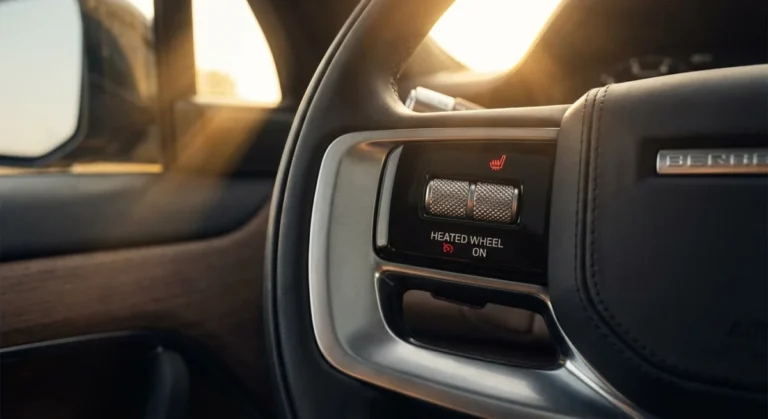
The core technology behind a heated steering wheel involves an electrical heating element integrated directly into the wheel’s construction. This element typically consists of a network of thin, resistance wires or a flexible heating pad strategically positioned beneath the steering wheel’s surface. When activated, usually by a dedicated button or through the vehicle’s infotainment system, electricity flows through the heating element, generating heat. This heat is then conducted through the steering wheel’s material (often leather, wood, or a synthetic composite) and distributed evenly across the grip area. The system is usually controlled by a thermostat to maintain a consistent temperature, preventing overheating. Sophisticated systems often employ multiple temperature sensors to ensure uniform heating and adjust output based on ambient temperature. Some aftermarket solutions utilize a simple resistance wire placed underneath a steering wheel cover for a less expensive, though potentially less reliable and efficient, experience.
Benefits and Key Features of Heated Steering Wheels
- Enhanced Comfort: The most obvious benefit is the sheer comfort of a warm steering wheel on a cold day. This can significantly improve the overall driving experience, making winter commutes much more pleasant.
- Improved Grip and Dexterity: Cold hands can become stiff and clumsy, reducing grip and dexterity. A heated steering wheel keeps your hands warm and supple, improving your ability to control the vehicle. This is particularly important for quick maneuvers and emergency situations.
- Reduced Muscle Tension: Cold can cause muscles to tense up, leading to fatigue and discomfort. A warm steering wheel helps relax the hand and arm muscles, reducing tension and promoting a more comfortable driving posture.
- Faster Warm-Up: While the car’s cabin is still warming up, the heated steering wheel provides immediate warmth, making those first few minutes of the drive much more bearable.
- Increased Safety: By improving grip, dexterity, and reducing muscle tension, a heated steering wheel can contribute to safer driving, especially in adverse weather conditions.
- Luxury Feature: Heated steering wheels are often associated with luxury vehicles, adding a touch of elegance and sophistication to the driving experience.
- Automatic Shut-Off: Many systems have an automatic shut-off feature to prevent overheating and conserve battery power.
- Adjustable Temperature Settings: Some advanced systems allow drivers to adjust the temperature to their preference.
- Zoned Heating: Certain high-end vehicles offer zoned heating, allowing different sections of the steering wheel to be heated independently.
Installation Tips for Aftermarket Steering Wheel Heaters
While some vehicles come standard with heated steering wheels, many older models or base trims do not. Fortunately, aftermarket solutions are available. However, professional installation is strongly recommended for safety and proper function.
- Choose a Reputable Brand: Select a well-known and respected brand to ensure quality and reliability. Read reviews and compare features before making a purchase.
- Professional Installation is Key: Installing a heated steering wheel involves electrical wiring and modification of the steering wheel itself. Improper installation can damage the vehicle’s electrical system, disable airbags, or create a fire hazard. A qualified technician should perform the installation.
- Consider Airbag Compatibility: Ensure that the chosen aftermarket heater is compatible with your vehicle’s airbag system. Incorrectly installed heaters can interfere with airbag deployment in an accident.
- Proper Wiring and Grounding: Correct wiring and grounding are crucial for safety and proper operation. Follow the manufacturer’s instructions carefully.
- Test Thoroughly: After installation, thoroughly test the system to ensure it is working correctly and that there are no electrical issues.
- Steering Wheel Covers: Many steering wheel covers come with battery powered heaters for an easier install. These aren’t quite as powerful, but require less wiring.
Maintenance and Care of Heated Steering Wheels
Maintaining a heated steering wheel is relatively straightforward.
- Regular Cleaning: Clean the steering wheel regularly with a suitable interior cleaner to remove dirt and grime. Avoid harsh chemicals that can damage the surface.
- Avoid Sharp Objects: Be careful not to scratch or puncture the steering wheel’s surface with sharp objects, as this could damage the heating element.
- Professional Repairs: If the heating system malfunctions, consult a qualified technician for repairs. Do not attempt to repair it yourself unless you have the necessary expertise and tools.
- Check Wiring Connections (if aftermarket): Regularly inspect wiring connections, especially for aftermarket installations, to ensure they are secure and free from corrosion.
- Leather Care: If your steering wheel is wrapped in leather, use a leather conditioner regularly to keep it supple and prevent cracking.
- Seasonal Preparation: Check and test the system before the start of each winter season.
Top Buying Factors for Winter Steering Wheel Comfort Solutions
When selecting a steering wheel heating solution, consider these factors:
- Vehicle Compatibility: Ensure the product is compatible with your vehicle’s make, model, and year. This is especially important for aftermarket installations.
- Heating Performance: Look for systems that provide consistent and even heat distribution across the grip area. Check user reviews for feedback on heating performance.
- Temperature Control: Opt for systems with adjustable temperature settings to customize the warmth to your preference.
- Safety Features: Prioritize systems with automatic shut-off and airbag compatibility.
- Material Quality: Choose a product made from durable and heat-resistant materials. Leather and high-quality synthetic materials are good options.
- Ease of Installation (if DIY): If you plan to install the heater yourself, choose a model with clear and easy-to-follow instructions. Consider a professional installation.
- Warranty: Look for products with a warranty to protect against defects.
- Price: Heated steering wheels can range in price, so set a budget and compare options within your range. Steering wheel covers with heaters are more affordable, but are likely to wear out much faster.
- Reviews: Always read customer reviews before making a purchase. These can provide valuable insights into the product’s performance, reliability, and ease of use.
- Ergonomics: Consider the overall feel and grip of the steering wheel, especially if you are adding a cover. Make sure it is comfortable and provides a secure grip.
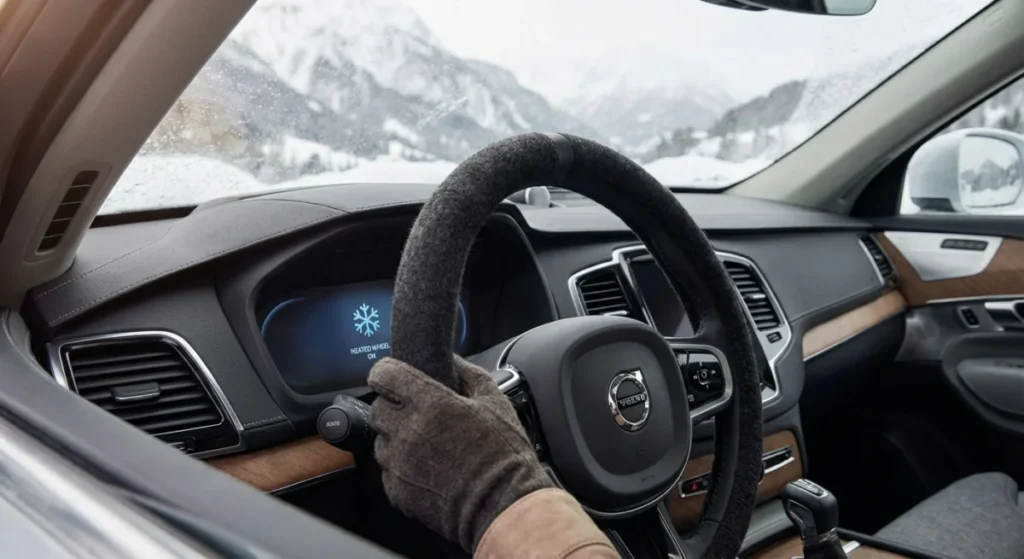
- Consider Gloves: In some cases, a nice pair of driving gloves are going to be the least expensive and easiest solution.
Essential FAQ About Winter Steering Wheel Comfort
1. Can I install a heated steering wheel myself? While DIY installation is possible for some simpler aftermarket solutions like steering wheel covers, professional installation is strongly recommended for systems that involve electrical wiring and modification of the steering wheel. Improper installation can be dangerous and could damage your vehicle. 2. Will a heated steering wheel drain my car battery? Heated steering wheels do draw power from the car battery. However, most systems are designed to be energy-efficient and have an automatic shut-off feature to prevent excessive battery drain. If you have an older or weak battery, it’s advisable to have it checked before using a heated steering wheel extensively. 3. Are heated steering wheel covers as effective as factory-installed systems? Heated steering wheel covers can provide some warmth, but they are generally not as effective as factory-installed or professionally installed aftermarket systems. They may have uneven heat distribution and may not be as durable. They are, however, a much less expensive option. 4. Can a heated steering wheel damage my car’s electrical system? If installed incorrectly, especially aftermarket systems, a heated steering wheel can potentially damage your car’s electrical system. This is why professional installation is so important. 5. How long does it take for a heated steering wheel to warm up? Most heated steering wheels will start to warm up within a few seconds and reach a comfortable temperature within a few minutes. The exact warm-up time will vary depending on the ambient temperature and the system’s design.
Conclusion
Winter steering wheel comfort is more than just a luxury; it’s a significant contributor to a safer and more enjoyable driving experience during the colder months. By understanding the technology, considering the key buying factors, and following the recommended maintenance practices, you can confidently choose the right solution to keep your hands warm and your focus sharp all winter long. Whether you opt for a factory-installed system, a professionally installed aftermarket solution, or even just a quality pair of driving gloves, prioritizing winter steering wheel comfort is an investment in your well-being and safety on the road.