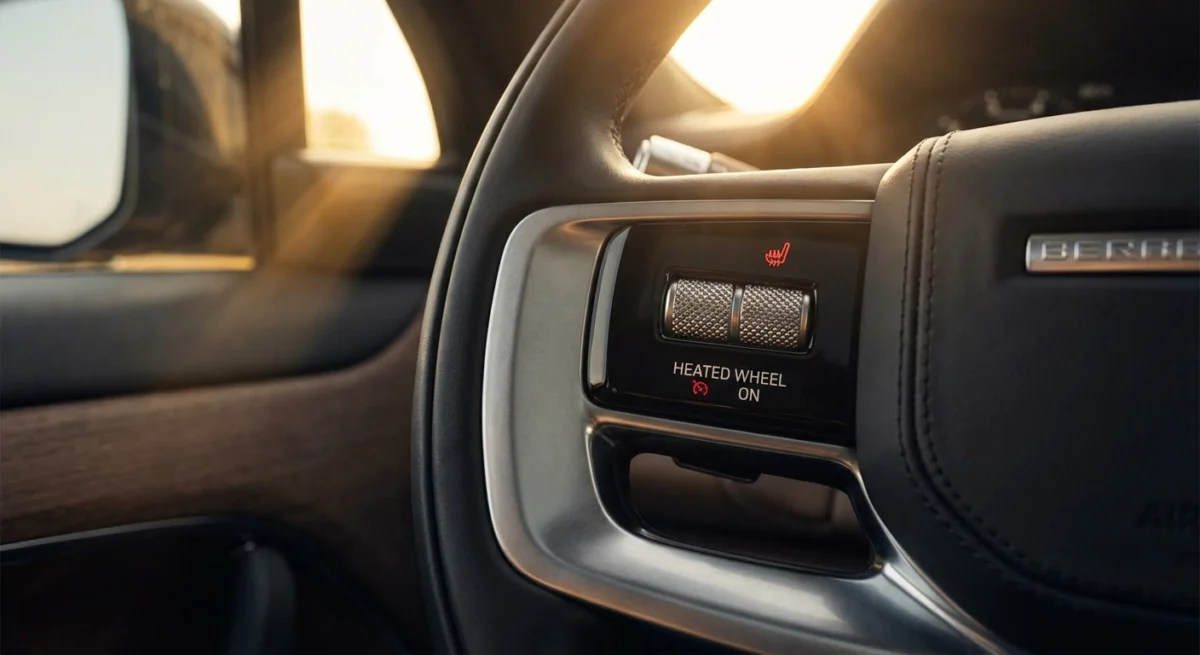
Steering wheel temperature control – it’s a seemingly small luxury that can make a HUGE difference in your driving experience, especially during those frigid winter mornings or scorching summer afternoons. Imagine sinking into your car, and instead of gripping an ice-cold or burning-hot steering wheel, you’re greeted with soothing warmth or refreshing coolness. This isn’t just about comfort; it’s about safety, focus, and overall driving pleasure. In fact, studies have shown that a comfortable driver is a more attentive driver, and steering wheel temperature control contributes significantly to this. Let’s dive deep into this often-overlooked feature and explore how it works, its benefits, and what to consider if you’re thinking about adding it to your vehicle.
Understanding Steering Wheel Temperature Control
What is Steering Wheel Temperature Control and How Does it Work?
Steering wheel temperature control encompasses both heated and cooled steering wheel systems. These systems are designed to regulate the temperature of the steering wheel’s rim, providing a more comfortable grip for the driver regardless of the external weather conditions.
- Heated Steering Wheels: These systems typically utilize an electric heating element embedded beneath the steering wheel’s leather or other covering. When activated, usually via a button on the steering wheel or dashboard, the heating element warms the steering wheel rim. The system often incorporates a thermostat to prevent overheating and maintain a consistent temperature. The power is supplied from the car’s electrical system.
- Cooled Steering Wheels: Cooled steering wheels are less common but growing in popularity, especially in warmer climates. These systems employ different technologies, including thermoelectric coolers (also known as Peltier devices) or even forced-air ventilation. Thermoelectric coolers use the Peltier effect to create a temperature difference, cooling one side of the device while heating the other. The cold side is then used to cool the steering wheel rim. Forced-air ventilation systems circulate cabin air through the steering wheel, providing a cooling effect. These systems may have vents or perforations in the steering wheel to facilitate airflow.
Benefits and Key Features
Steering wheel temperature control offers a multitude of benefits:
- Enhanced Comfort: The most obvious benefit is increased comfort, especially in extreme temperatures. No more wincing as you grab a freezing steering wheel on a January morning.
- Improved Safety: Cold hands can lead to reduced dexterity and slower reaction times. A heated steering wheel helps maintain optimal hand temperature, improving grip and control. Conversely, a cooled steering wheel prevents sweaty palms, offering a more secure grip in hot weather.
- Increased Focus: Discomfort is distracting. By eliminating the temperature-related discomfort, the driver can focus more effectively on the road.
- Luxury and Convenience: It adds a touch of luxury to your driving experience and is extremely convenient. No need to wear gloves in the winter or suffer through a sticky, hot steering wheel in the summer.
- Faster Warm-up/Cool-down: Steering wheel heating/cooling systems typically work much faster than waiting for the car’s overall heating or air conditioning system to warm up or cool down the cabin.
- Resale Value: While not a primary driver, having features like heated/cooled steering wheels can slightly increase the resale value of your vehicle.
Key features to look for:
- Adjustable Temperature Settings: Some systems offer multiple temperature settings, allowing you to fine-tune the level of warmth or coolness.
- Automatic Shut-off: A safety feature that automatically turns off the heating or cooling element after a set period to prevent overheating or battery drain.
- Fast Heating/Cooling: Look for systems that provide rapid temperature change, so you don’t have to wait long to feel the effects.
- Uniform Temperature Distribution: A well-designed system will distribute the heat or coolness evenly across the steering wheel rim.
- Integration with Vehicle Systems: Seamless integration with the vehicle’s infotainment system or climate control system is a plus.
Installation Tips (If Applicable)
While some aftermarket options exist, steering wheel temperature control is most commonly found as a factory-installed option. Retrofitting a heated or cooled steering wheel can be complex and may require specialized tools and expertise.
*Disclaimer: Attempting to modify or install such systems can be dangerous if not performed correctly and could potentially damage your vehicle’s electrical system or airbag system. It is highly recommended to have a qualified automotive technician perform any installation or modification.*
If you’re considering an aftermarket installation, here are some general tips:
- Research Thoroughly: Investigate the compatibility of the aftermarket system with your vehicle’s make and model.
- Choose a Reputable Brand: Opt for a well-known and respected brand with positive reviews and a warranty.
- Follow Instructions Carefully: Adhere strictly to the manufacturer’s instructions.
- Consider Professional Installation: Unless you have significant automotive electrical experience, it’s best to have the system installed by a professional.
- Battery Safety: Disconnect the negative battery terminal before starting any electrical work.
- Airbag Precautions: Be extremely cautious when working around the steering wheel, as it contains the airbag. Incorrect handling could cause accidental deployment.
- Wiring: Ensure all wiring is properly insulated and routed to prevent shorts or interference.
Maintenance and Care
Maintenance for steering wheel temperature control systems is generally minimal. However, there are a few things you can do to ensure optimal performance and longevity:
- Regular Cleaning: Clean the steering wheel regularly with a mild cleaner to remove dirt and grime.
- Avoid Harsh Chemicals: Do not use harsh chemicals or abrasive cleaners, as they can damage the steering wheel’s covering and potentially affect the heating or cooling elements.
- Protect from Extreme Temperatures: When parking your car in direct sunlight, use a sunshade to protect the steering wheel from excessive heat, which could degrade the materials over time.
- Professional Inspection: During routine vehicle maintenance, have a qualified technician inspect the system for any signs of damage or malfunction.
- Check for Loose Connections: If you suspect a problem with the system, check for loose electrical connections. However, proceed with caution and consult a professional if you’re not comfortable working with electrical components.
Top Buying Factors
When selecting a vehicle or considering an aftermarket upgrade with steering wheel temperature control, keep the following factors in mind:
- Vehicle Compatibility: Ensure the system is compatible with your vehicle’s make, model, and year.
- Heating/Cooling Performance: Evaluate the speed and effectiveness of the heating or cooling.
- Temperature Range: Consider the range of temperature adjustment offered by the system.
- User-Friendliness: Look for a system that is easy to operate and adjust.
- Safety Features: Prioritize systems with automatic shut-off and other safety features.
- Build Quality: Opt for a system with high-quality materials and construction for durability.
- Warranty: Check the warranty offered by the manufacturer.
- Price: Compare prices from different vendors to find the best value.
- Reviews and Ratings: Read online reviews and ratings from other users to get an idea of the system’s performance and reliability.
- Professional Installation (if needed): Factor in the cost of professional installation if you’re not comfortable doing it yourself.
Essential FAQ
Q1: Can I add heated/cooled steering wheel to any car? While some aftermarket options exist, adding steering wheel temperature control to a vehicle that didn’t originally come with it can be complex and expensive. Compatibility depends on the vehicle’s electrical system and the availability of aftermarket kits. Professional installation is highly recommended.
Q2: How much does it cost to add steering wheel temperature control? The cost varies widely depending on the vehicle, the complexity of the installation, and whether you’re opting for an aftermarket kit or replacing the entire steering wheel. Aftermarket kits can range from a few hundred dollars to over a thousand, plus the cost of installation.
Q3: Is steering wheel temperature control safe? When properly installed and maintained, steering wheel temperature control systems are generally safe. However, it’s crucial to follow the manufacturer’s instructions and have a qualified technician perform any installation or repair work to avoid potential electrical hazards or airbag malfunctions.
Q4: Does steering wheel heating/cooling drain the car’s battery? Yes, both heated and cooled steering wheel systems draw power from the car’s battery. However, modern systems are designed to be energy-efficient and typically have an automatic shut-off feature to prevent excessive battery drain. Frequent use, especially with a weak battery, could potentially impact battery life.
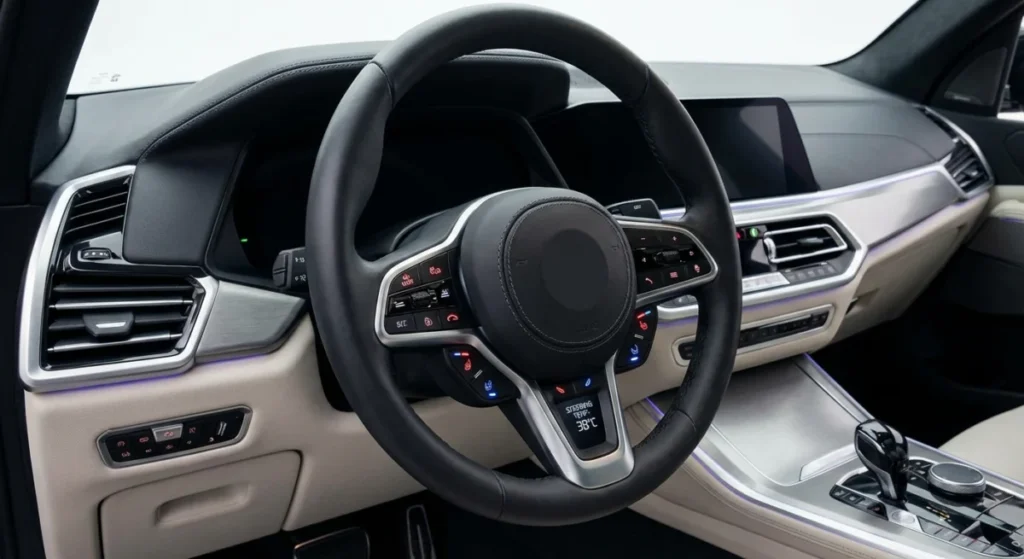
Q5: How do I know if my car has steering wheel temperature control? Check your vehicle’s owner’s manual or the manufacturer’s website for a list of features. Look for a button on the steering wheel or dashboard labeled with a steering wheel icon and either heating or cooling symbols.
Conclusion
Steering wheel temperature control is more than just a luxury; it’s a valuable feature that enhances comfort, safety, and overall driving experience. Whether you’re enduring freezing winters or scorching summers, having the ability to warm or cool your steering wheel provides a significant advantage. While retrofitting an aftermarket system can be complex, choosing a vehicle equipped with this feature from the factory is a worthwhile investment for a more enjoyable and safer drive. Consider the benefits, weigh the buying factors, and make an informed decision that suits your needs and driving conditions.