Roof racks: They’re your trusty companions for outdoor adventures, hauling everything from kayaks to camping gear. But have you ever considered the potential hazards lurking behind those sudsy curtains of a car wash? Each year, countless vehicles sporting roof racks fall victim to damage in automated car washes, leading to costly repairs and frustrating experiences. This guide is your comprehensive roadmap to navigating the world of roof racks and car wash safety, ensuring your adventures remain worry-free and your vehicle stays pristine. We’ll explore everything from understanding your rack system to making informed decisions at the car wash.
Understanding Roof Racks
What is a Roof Rack and How Does it Work?
A roof rack is a framework mounted on the roof of a vehicle, designed to carry luggage, bicycles, kayaks, skis, and other cargo. It fundamentally works by distributing the weight of the carried items across the vehicle’s roof, utilizing crossbars and a system of towers or mounting points for secure attachment. Different types exist, each with its own mechanism:
- Factory-installed racks: Integrated directly into the vehicle’s roof structure by the manufacturer. These often have fixed mounting points.
- Aftermarket racks: Purchased and installed separately. These offer greater versatility and customization options. They typically attach via clips, clamps, or by utilizing existing roof rails.
- Rain gutter mounts: Attach to the rain gutters found on older vehicles.
- Track systems: Installed along the length of the roof, allowing for adjustable crossbar positioning.
Benefits and Key Features
Increased Cargo Capacity: The most obvious benefit – carry more gear! Versatility: Accommodates a wide range of sports equipment and luggage. Space Saving: Keeps the interior of your vehicle free from clutter.
Key features to consider:
- Load Capacity: The maximum weight the rack can safely carry.
- Aerodynamic Design: Reduces wind noise and drag, improving fuel efficiency.
- Durability: Constructed from robust materials like aluminum or steel for long-lasting performance.
- Locking Mechanisms: Deter theft of the rack itself and the cargo it carries.
- Compatibility: Ensures the rack fits your specific vehicle make and model.
Installation Tips (if applicable)
Consult the Manual: Always refer to the manufacturer’s instructions for your specific roof rack model. Torque Specifications: Use a torque wrench to tighten bolts to the recommended specifications. Overtightening can damage the rack or vehicle roof. Proper Placement: Ensure the crossbars are evenly spaced and securely attached to the mounting points. Clean Surfaces: Clean the vehicle’s roof where the rack will attach to ensure a secure and stable fit. Seek Assistance: If you are unsure about any step, consult a professional installer.
Maintenance and Care
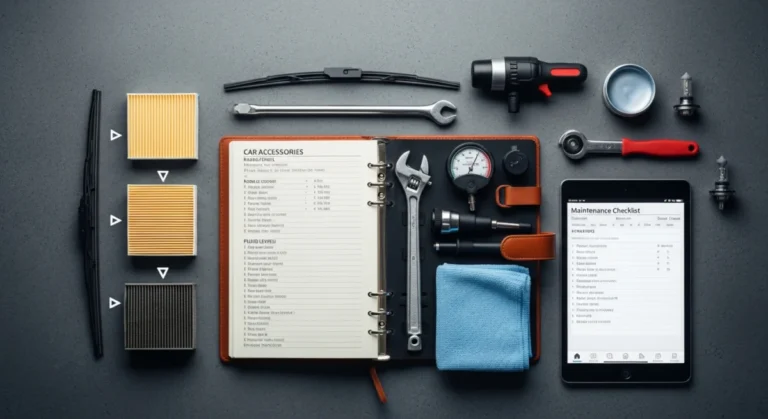
- Regular Inspections: Check for loose bolts, cracks, or other signs of wear and tear.
- Cleaning: Wash the rack regularly with soap and water to remove dirt and debris.
- Lubrication: Apply lubricant to moving parts, such as locks and adjustment mechanisms.
- Storage: When not in use, store the rack in a dry place to prevent corrosion.
- Tighten Hardware: Periodically retighten all bolts and screws to maintain a secure fit.
Top Buying Factors
- Vehicle Compatibility: Ensure the rack is specifically designed for your vehicle’s make, model, and year.
- Load Capacity: Choose a rack with a load capacity that meets your needs.
- Type of Cargo: Consider the type of items you will be carrying (bikes, kayaks, luggage) and choose a rack designed for that purpose.
- Ease of Installation: Select a rack that is easy to install and remove, especially if you plan to use it only occasionally.
- Price: Compare prices from different brands and retailers to find the best value.
- Brand Reputation: Research different brands and read reviews to ensure you are purchasing a high-quality, reliable rack.
- Aerodynamic Profile: A more aerodynamic rack will reduce wind noise and drag, improving fuel efficiency.
- Locking Mechanism: If you will be leaving your rack unattended, consider a rack with a locking mechanism to deter theft.
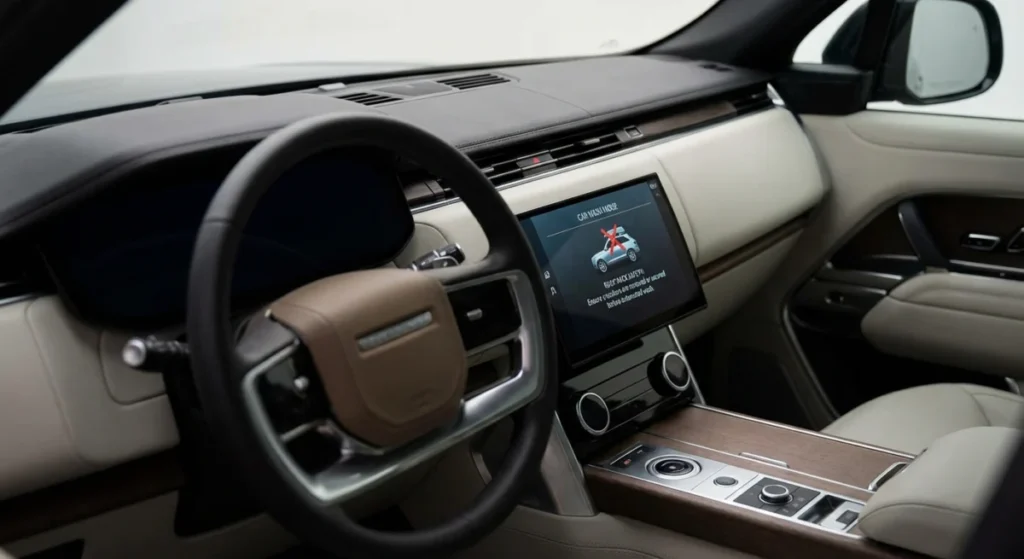
Roof Racks and Car Wash Safety
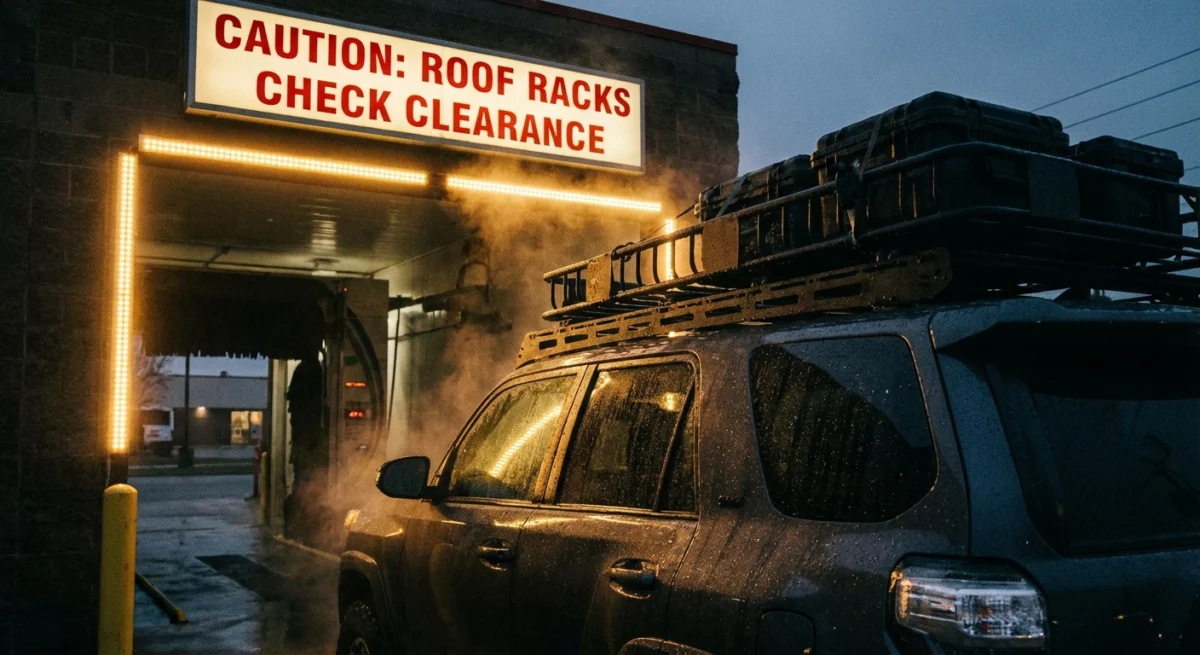
Navigating the world of automated car washes with a roof rack requires caution and awareness. Not all car washes are created equal, and some pose a greater risk to your rack and vehicle.
The Risks: Why Car Washes Can Be Problematic
- Brush Contact: Rotating brushes can snag on roof rack components, causing damage to the rack, vehicle paint, or even the car wash equipment itself.
- High-Pressure Water Jets: Powerful water jets can dislodge poorly installed or damaged roof racks.
- Rollover Accidents: In extreme cases, a roof rack can become entangled in the car wash machinery, leading to a rollover.
- Antenna Damage: Even without a roof rack, the brushes can sometimes damage the vehicles antenna if it’s not fully retracted or removable.
Identifying Car Wash Types: The Good, the Bad, and the Ugly
- Touchless Car Washes (The Good): These use high-pressure water and detergents to clean your vehicle *without* any physical contact. This is the safest option for vehicles with roof racks.
- Soft-Touch Car Washes (The Questionable): These use soft cloth or foam brushes. While gentler than older brush types, there’s still a risk of snagging. Exercise caution.
- Friction/Brush Car Washes (The Ugly): These use harsh, abrasive brushes. Avoid these entirely with a roof rack.
Pre-Car Wash Checklist: Minimizing the Risk
- Assess Your Roof Rack: Is it securely installed and in good condition? Are there any loose parts or signs of damage?
- Know Your Car Wash: Determine the type of car wash you’re using (touchless, soft-touch, or friction).
- Read Posted Warnings: Pay attention to any signs or warnings regarding roof racks. Many car washes explicitly prohibit vehicles with roof racks.
- Remove Accessories: Take off any easily removable accessories, such as bike carriers or ski racks.
- Retract Antenna: If possible, retract or remove your vehicle’s antenna.
- Communicate with Staff: Inform the car wash attendants that your vehicle has a roof rack. They may have specific recommendations or restrictions.
Making the Right Choice: To Wash or Not to Wash?
If you have *any* doubts about the safety of using a particular car wash with your roof rack, err on the side of caution. Hand washing is always the safest option.
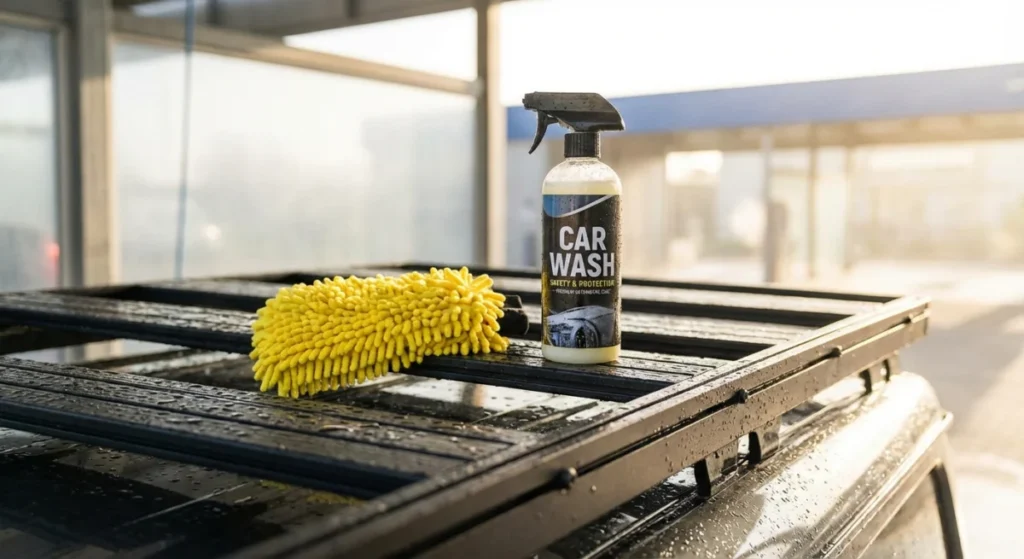
Hand Washing: The Preferred Method
- Gentle Cleaning: Hand washing allows you to control the pressure and avoid harsh scrubbing.
- Inspection Opportunity: Provides a chance to thoroughly inspect your roof rack for any damage.
- Targeted Cleaning: Allows you to clean hard-to-reach areas and remove stubborn grime.
Essential FAQ
Q: Can I take my car through a touchless car wash with a roof rack? A: Generally, yes. Touchless car washes are the safest option as they don’t involve physical contact with brushes. However, always inspect your rack beforehand and ensure it’s securely installed.
Q: What if the car wash attendant says it’s okay to go through with my roof rack? A: While the attendant’s opinion is valuable, ultimately, the decision is yours. Assess the car wash type and the condition of your rack. If you’re uncomfortable, opt for a hand wash.
Q: My roof rack is factory-installed. Does that mean it’s safer in car washes? A: Factory-installed racks are generally more secure than aftermarket racks. However, they are *not* immune to damage. Proceed with caution and avoid friction car washes.
Q: How often should I inspect my roof rack? A: Inspect your roof rack at least once a month, and before any long trips or visits to the car wash.
Q: What kind of soap should I use to hand wash my car with a roof rack? A: Use a pH-neutral car wash soap that is safe for your vehicle’s paint and roof rack materials. Avoid using abrasive cleaners or solvents.
Conclusion
Protecting your vehicle and roof rack from damage requires a proactive approach. By understanding the types of roof racks, identifying the risks associated with different car washes, and following the tips outlined in this guide, you can make informed decisions that prioritize safety and prevent costly repairs. When in doubt, hand washing remains the safest and most effective way to keep your vehicle sparkling clean while preserving the integrity of your valuable roof rack.