Vinyl Seat Covers: The Ultimate Guide to Protection and Style
Let’s face it: your car’s interior takes a beating. Whether it’s kids spilling juice, muddy work boots, or just the daily wear and tear of commuting, your seats are constantly under attack. Did you know that the average car seat lasts only about 5-7 years before showing significant signs of wear? Investing in quality vinyl seat covers is a smart way to protect your investment, maintain your vehicle’s resale value, and even upgrade its interior aesthetics. This comprehensive guide will equip you with the knowledge you need to choose, install, and maintain vinyl seat covers like a pro.
What are Vinyl Seat Covers and How Do They Work?
Vinyl seat covers are protective coverings designed to fit snugly over your existing car seats. They act as a barrier against spills, stains, dirt, UV damage, and general abrasion. Unlike simple cloth covers, vinyl offers a water-resistant and often waterproof surface that’s incredibly easy to clean.
Vinyl itself is a type of plastic, specifically polyvinyl chloride (PVC). For seat covers, it’s typically formulated to be durable, flexible, and resistant to cracking and fading. The way these covers work is straightforward: they shield the original upholstery from anything that might damage it. They are available in universal or custom-fit designs, ensuring a secure fit that minimizes movement and maximizes protection. A well-fitting cover will also prevent debris from getting trapped underneath.
Types of Vinyl Seat Covers
- Universal Fit: These covers are designed to fit a wide range of vehicle makes and models. They are generally more affordable but may not provide a perfect, tailored fit.
- Custom Fit: These covers are specifically made to match the exact dimensions of your car’s seats. They offer a superior fit and a more integrated look. They often accommodate features like armrests, headrests, and seatbelts more seamlessly.
- Split Bench Seat Covers: Designed for vehicles with split bench seats, typically found in trucks and older models, these covers allow for independent movement and adjustment of the seat sections.
- High-Back vs. Low-Back Bucket Seat Covers: These distinguish the height of your seat back. Make sure to purchase the cover that matches your seat type.
Benefits and Key Features of Vinyl Seat Covers
Vinyl seat covers offer a multitude of advantages over other types of seat protectors. Here’s a closer look at their key benefits and features:
- Superior Protection: Vinyl provides excellent protection against spills, stains, dirt, pet hair, and UV damage.
- Water Resistance: Vinyl’s water-resistant properties make it ideal for vehicles used in wet or messy conditions. Many are even fully waterproof.
- Easy to Clean: Cleaning vinyl seat covers is a breeze. Simply wipe them down with a damp cloth and mild detergent.
- Durability: Quality vinyl is incredibly durable and can withstand years of wear and tear.
- UV Resistance: Many vinyl covers are treated with UV inhibitors to prevent fading and cracking from prolonged sun exposure. This is especially important for vehicles parked outdoors.
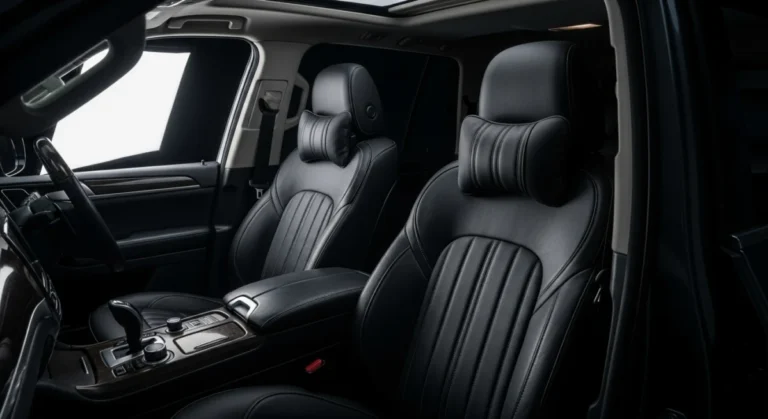
- Style and Aesthetics: Vinyl seat covers are available in a wide range of colors, textures, and patterns to complement your vehicle’s interior. They can instantly upgrade the look of your car.
- Cost-Effectiveness: Investing in vinyl seat covers is a cost-effective way to protect your seats and maintain your vehicle’s resale value. Replacing damaged upholstery is far more expensive.
- Pet-Friendly: Vinyl is a great option for pet owners as it’s resistant to scratches and easy to clean up after furry friends.
- Fire Retardant: Many quality covers are made with fire-retardant materials.
Key Features to Look For
- Heavy-Duty Vinyl: Opt for covers made from thick, durable vinyl for maximum protection and longevity.
- Reinforced Seams: Strong, reinforced seams will prevent tearing and ensure the covers hold up under stress.
- Non-Slip Backing: A non-slip backing will keep the covers securely in place and prevent them from sliding around.
- Precise Fit: Whether you choose universal or custom-fit covers, ensure they provide a snug and secure fit without bunching or wrinkling.
- Airbag Compatibility: If your vehicle has side airbags, ensure the seat covers are specifically designed to be airbag compatible. This is a crucial safety feature. Look for covers with designated airbag deployment zones.
- Easy Installation: Look for covers that are easy to install and remove, with features like straps, buckles, and zippers.
- Warranty: A warranty is a sign of quality and gives you peace of mind knowing that the manufacturer stands behind their product.
Installation Tips for Vinyl Seat Covers
While professional installation is always an option, installing vinyl seat covers is a task that many car owners can tackle themselves. Here are some tips to ensure a successful installation:
- Preparation is Key: Before you begin, thoroughly clean your existing seats. Remove any debris, dirt, or stains.
- Read the Instructions: Always read the manufacturer’s instructions carefully before starting the installation process.
- ⏰ Take Your Time: Don’t rush the installation. Take your time and carefully follow each step.
- Stretch and Secure: Vinyl can be a bit stiff, especially when new. Gently stretch the covers as you install them to ensure a snug fit. Use the provided straps, buckles, or zippers to secure the covers in place.
- Use the Right Tools: Depending on the cover type, you may need basic tools like pliers or screwdrivers.
- Ensure Proper Fit: After installation, double-check that the covers are properly aligned and securely fastened. Make sure they don’t interfere with seat adjustments or safety features like seatbelts and airbags.
- Airbag Compatibility: Double-check the area where the airbag deploys to make sure the cover doesn’t interfere.
- Smooth Out Wrinkles: Once installed, smooth out any wrinkles or creases in the vinyl. You can use a hairdryer on a low setting to gently warm the vinyl and help it conform to the shape of the seat.
Maintenance and Care for Vinyl Seat Covers
Maintaining your vinyl seat covers is easy and will help prolong their lifespan.
- Regular Cleaning: Wipe down the covers regularly with a damp cloth and mild detergent to remove dirt, dust, and spills.
- Avoid Harsh Chemicals: Avoid using harsh chemicals or abrasive cleaners, as they can damage the vinyl.
- Vinyl Conditioner: Periodically apply a vinyl conditioner to help keep the vinyl supple and prevent cracking.
- Protect from Direct Sunlight: While many vinyl covers are UV resistant, prolonged exposure to direct sunlight can still cause fading and cracking over time. Consider parking in the shade or using a sunshade when possible.
- Repair Tears Promptly: If you notice any tears or punctures, repair them promptly to prevent further damage. Vinyl repair kits are available at most automotive supply stores.
Top Buying Factors for Vinyl Seat Covers
Choosing the right vinyl seat covers can seem daunting, but here are the top factors to consider before making a purchase:
- Vehicle Compatibility: Ensure the covers are compatible with your vehicle’s make, model, and year. Custom-fit covers offer the best fit and protection.
- Fit and Style: Consider the desired fit (universal vs. custom) and the overall style and aesthetics. Choose covers that complement your vehicle’s interior.
- Material Quality: Look for covers made from heavy-duty, durable vinyl that is resistant to water, UV damage, and abrasion.
- Protection Level: Determine the level of protection you need based on your lifestyle and usage. If you frequently transport messy items or have pets, opt for thicker, waterproof covers.
- Features: Consider features like non-slip backing, reinforced seams, airbag compatibility, and easy installation.
- Budget: Vinyl seat covers are available at a range of price points. Set a budget and choose the best option that meets your needs and budget.
- ⭐ Reviews: Read online reviews from other customers to get an idea of the quality, durability, and fit of different brands and models.
- Warranty: A warranty provides peace of mind and indicates that the manufacturer stands behind their product.
Essential FAQ
- Q: Are vinyl seat covers waterproof?
A: While most vinyl seat covers are water-resistant, some are fully waterproof. Check the product description to confirm the level of water protection.
- Q: Can vinyl seat covers damage my original seats?
A: No, vinyl seat covers are designed to protect your original seats. However, it’s important to ensure a proper fit to prevent any rubbing or chafing.
- Q: How do I clean vinyl seat covers?
A: Clean vinyl seat covers with a damp cloth and mild detergent. Avoid using harsh chemicals or abrasive cleaners.
- Q: Are vinyl seat covers comfortable?
A: The comfort of vinyl seat covers can vary depending on the quality and thickness of the vinyl. Some covers are padded or have a textured surface for added comfort.
- Q: How long do vinyl seat covers last?
A: With proper care and maintenance, quality vinyl seat covers can last for many years, providing long-lasting protection for your vehicle’s seats.
Conclusion
Investing in vinyl seat covers is a smart choice for any vehicle owner looking to protect their investment, maintain their car’s appearance, and enhance its comfort and style. By considering the factors outlined in this guide, you can confidently choose the best vinyl seat covers to meet your needs and enjoy years of worry-free driving. So, go ahead and give your car the protection it deserves!