Tired of your freshly washed car looking like it just ran a marathon through a mud pit? That dreaded tire spray, that relentless splatter of road grime and water flung up from your tires, is a constant battle for car enthusiasts and anyone who values a clean ride. But fear not! This guide dives deep into the world of tire spray reduction, exploring the science, solutions, and strategies to keep your car cleaner for longer. According to a recent survey by the International Car Detailing Association, nearly 70% of car owners consider tire spray a major annoyance. Thankfully, advancements in automotive technology and aftermarket solutions provide effective methods to minimize, if not eliminate, this common problem. Let’s get started on the journey to a cleaner, more presentable vehicle!
What is Tire Spray Reduction and How Does it Work?
Tire spray reduction refers to any method or technology employed to minimize the amount of water, mud, and debris flung upwards and onto a vehicle’s body from its tires. It’s about controlling the trajectory of these projectiles, preventing them from reaching vulnerable areas like doors, fenders, and even the windshield. The effectiveness of these methods hinges on understanding the physics of tire spray itself.
Understanding the Physics of Tire Spray
Tire spray isn’t just a random occurrence. It’s governed by a few key principles:
- Centrifugal Force: As your tires rotate, they pick up water and debris from the road surface. The centrifugal force pushes these particles outwards, away from the center of the tire.
- Momentum: The water and debris, now in motion, possess momentum. This momentum propels them along a tangent to the tire’s rotation, meaning they’re flung off at an angle.
- Aerodynamics: Airflow around the vehicle plays a crucial role. Air pressure differences can influence the trajectory of the spray, either lifting it higher or pressing it downwards.
- Road Surface & Tire Tread: The amount of water on the road and the tire tread pattern affect the volume and direction of the spray. Tires with aggressive treads tend to fling more water than those with smoother designs, and vice versa in other road surface conditions.
Common Tire Spray Reduction Methods
Different solutions tackle the problem at different points in the tire spray’s journey:
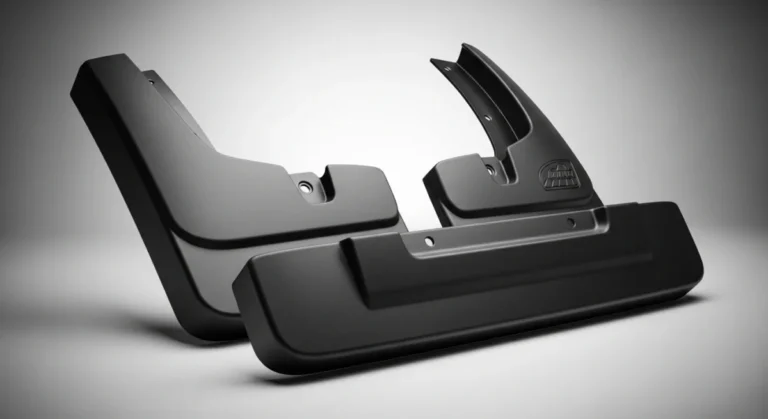
- Mud Flaps/Splash Guards: These are the most common and arguably the most effective passive solution. They act as physical barriers, intercepting the spray before it can reach the car’s body.
- Fender Liners: While primarily designed to protect the undercarriage, fender liners also contribute to spray reduction by preventing debris from entering the wheel wells.
- Aerodynamic Modifications: Some vehicles feature subtle aerodynamic elements designed to deflect airflow and redirect tire spray. This is more common in performance vehicles designed with meticulous attention to airflow management.
- Tire Tread Choice: Selecting tires with a less aggressive tread pattern can reduce the amount of water and debris picked up in the first place. However, this often comes at the expense of off-road traction or winter performance.
- Specialized Coatings: While less common, some coatings are designed to repel water and dirt from the vehicle’s surface, making it easier to clean off any spray that does reach the body.
Benefits and Key Features of Tire Spray Reduction
Investing in tire spray reduction offers a range of advantages beyond just aesthetics.
Preserving Your Vehicle’s Appearance
The most obvious benefit is a cleaner car. Reduced tire spray means fewer trips to the car wash and more time enjoying your pristine ride. A cleaner car also helps maintain its resale value.
Protecting Your Paint and Finish
Tire spray contains abrasive particles like sand, salt, and road debris. These particles can scratch and damage your car’s paint over time, leading to unsightly swirl marks and premature fading. Reducing spray protects your paint and extends its lifespan.
Improving Visibility
Driving in wet conditions with significant tire spray can severely impair visibility, especially for following vehicles. Reducing spray enhances safety for yourself and others on the road.
Minimizing Corrosion
Road salt, a common de-icing agent, is highly corrosive. Tire spray containing salt can accelerate rust formation on your vehicle’s undercarriage and body panels. Reducing exposure to salt-laden spray helps prevent corrosion.
Enhancing Resale Value
A well-maintained vehicle commands a higher resale price. Protecting your car from the damaging effects of tire spray contributes to its overall condition and value.
Key Features to Look For
When considering tire spray reduction products, pay attention to these key features:
- Material Quality: Mud flaps and splash guards should be made from durable, weather-resistant materials like heavy-duty rubber or molded plastic.
- Fit and Finish: Ensure the product is designed for your specific vehicle model for a seamless and secure fit. A poor fit can lead to rattling, rubbing, and reduced effectiveness.
- Coverage Area: Consider the size and shape of the mud flaps or splash guards. Larger options provide more comprehensive coverage.
- Installation Method: Choose a product with a straightforward installation process. Some require drilling, while others utilize existing mounting points.
- Aesthetic Appeal: While functionality is paramount, select a product that complements your vehicle’s style. Many options are available in various colors and designs.
Installation Tips for Mud Flaps and Splash Guards
Installing mud flaps or splash guards is a relatively simple DIY project, but following these tips will ensure a smooth and successful installation:
- Gather Your Tools: You’ll typically need a screwdriver, socket set, drill (if necessary), measuring tape, and potentially a marker or punch for marking drill locations.
- Read the Instructions: Always carefully review the manufacturer’s instructions before starting.
- Prepare the Mounting Surface: Clean the area where the mud flaps will be installed to remove any dirt, grease, or debris.
- Use Existing Mounting Points: Whenever possible, utilize existing holes and mounting points on your vehicle. This minimizes the need for drilling and ensures a secure fit.
- Drill Carefully (If Necessary): If drilling is required, use the correct size drill bit and apply even pressure. Avoid over-tightening the screws or bolts.
- Test the Fit: After installation, check the mud flaps for proper clearance and ensure they don’t interfere with the tires or suspension.
- Secure All Fasteners: Double-check that all screws, bolts, and clips are securely fastened.
- Consider Professional Installation: If you’re uncomfortable with any aspect of the installation process, consider having a professional mechanic or auto body shop handle the job.
Maintenance and Care
Once installed, mud flaps and splash guards require minimal maintenance.
- Regular Cleaning: Wash them regularly with soap and water to remove accumulated dirt, mud, and debris.
- Inspect for Damage: Periodically inspect the mud flaps for cracks, tears, or loose fasteners. Replace damaged or worn-out components promptly.
- Tighten Fasteners: Check the tightness of all screws and bolts every few months.
- Protect from UV Damage: Consider applying a UV protectant to help prevent fading and cracking, especially if the mud flaps are made of plastic.
Top Buying Factors for Tire Spray Reduction Products
Choosing the right tire spray reduction product involves considering several key factors:
- Vehicle Compatibility: Ensure the product is specifically designed for your vehicle’s make, model, and year.
- Material Durability: Opt for high-quality materials that can withstand harsh weather conditions and resist impact damage.
- Installation Ease: Consider your skill level and choose a product with an installation process you’re comfortable with.
- Coverage Area: Determine the level of protection you need based on your driving conditions and the severity of tire spray in your area.
- Aesthetic Appeal: Select a product that complements your vehicle’s overall appearance.
- Price: Balance your budget with the desired level of protection and quality.
- Customer Reviews: Read online reviews from other users to get insights into the product’s performance and reliability.
Essential FAQ Section
Here are some frequently asked questions about tire spray reduction:
Q1: Will mud flaps completely eliminate tire spray? A: While mud flaps significantly reduce tire spray, they may not eliminate it entirely, especially in extreme conditions. They are, however, the most effective passive solution.
Q2: Are mud flaps difficult to install? A: Installation difficulty varies depending on the product and your vehicle. Some mud flaps are designed for easy, no-drill installation, while others may require drilling.
Q3: Will mud flaps affect my vehicle’s aerodynamics? A: Generally, the impact on aerodynamics is minimal, especially with properly designed mud flaps. They are typically positioned in areas where airflow is already turbulent.
Q4: Can I install mud flaps myself, or should I hire a professional? A: If you’re comfortable with basic tools and have some mechanical aptitude, you can likely install mud flaps yourself. However, if you’re unsure or lack the necessary tools, professional installation is recommended.
Q5: Are there any legal restrictions on mud flap size or placement? A: Regulations vary by state or region. It’s essential to check your local laws regarding mud flap requirements before installing them.
Conclusion
Tire spray is an inevitable nuisance for vehicle owners, but with the right knowledge and solutions, you can significantly reduce its impact on your car’s appearance, paint, and overall condition. By understanding the physics of tire spray and implementing effective reduction methods like mud flaps, fender liners, and mindful tire selection, you can keep your vehicle cleaner, protect its value, and enjoy a more pleasant driving experience. So, take the plunge, explore the options, and say goodbye to the relentless splatter of tire spray!