Static Cling Sun Shades: A Comprehensive Guide
Tired of scorching seats and a sun-baked dashboard? Automotive sun shades are a popular and effective solution, with the static cling sun shade emerging as a convenient and reusable option. According to recent market analysis, sun shade sales are up 15% year-over-year, indicating a growing awareness of their benefits. However, choosing the right type and using it effectively can be confusing. This guide provides a comprehensive overview of static cling sun shades, covering everything from their fundamental principles to selecting the best one for your vehicle and ensuring its longevity.
Understanding Static Cling Sun Shades
What are Static Cling Sun Shades and How Do They Work?
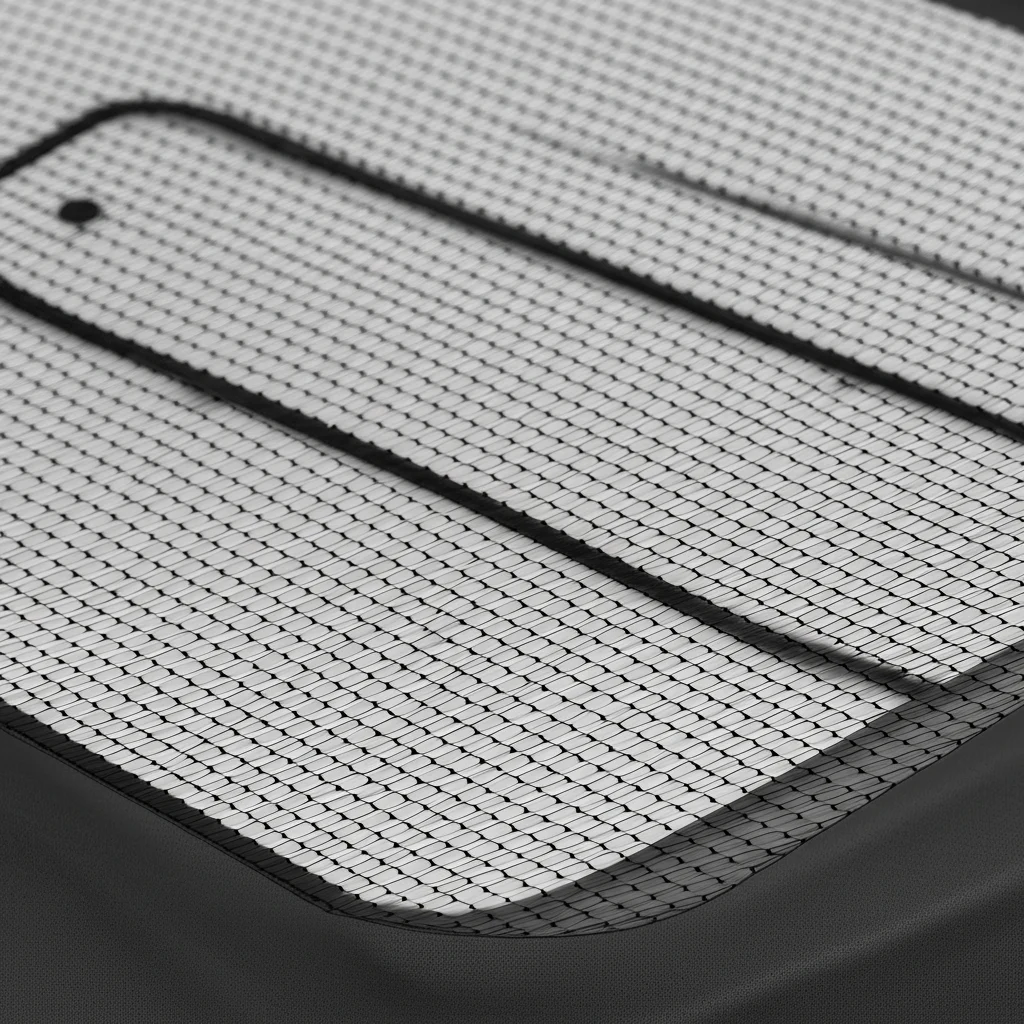
Unlike traditional sun shades that rely on suction cups or spring-loaded designs, static cling sun shades adhere directly to your car window using static electricity. They are typically made from a thin, flexible material, often a type of vinyl or PET film, treated to enhance its static cling properties.
The “cling” is generated by the interaction of electrons between the shade and the window’s glass surface. When the shade is pressed against the window, electrons are transferred between the two materials, creating an electrostatic charge. This charge produces an attractive force, holding the shade in place. The amount of static cling is dependent on a few factors, including:
- Material quality of the cling shade.
- Cleanliness of both the shade and the window.
- Ambient humidity.
The design is simple yet ingenious, providing a hassle-free alternative to more complex sun shade systems.
Static Cling vs. Other Sun Shade Types
There are several types of sun shades available, each with its own pros and cons:
- Suction Cup Sun Shades: These use suction cups to attach to the window. They can be effective, but suction cups can lose their grip over time, especially in hot weather. They can also leave marks on the window.
- Spring-Loaded (Reflective) Sun Shades: These are typically accordion-style shades that expand to fit the windshield. They are bulky to store and can be awkward to maneuver. They can be effective at reflecting sunlight, but don’t adhere to the side windows.
- Folding (Pop-Up) Sun Shades: Similar to spring-loaded shades, these fold down for storage. They are generally easier to handle than spring-loaded shades, but still require some maneuvering.
- Mesh Sun Shades: Usually designed for side windows, these are often made of a thin mesh material that allows some visibility while reducing glare. They can be less effective at blocking heat compared to static cling shades.
- Window Tint: A permanent solution, window tinting offers excellent UV protection and heat reduction. However, it can be expensive and may be restricted by local laws.
Static cling sun shades strike a balance between ease of use, reusability, and affordability. Their clean application process and compact storage make them a popular choice.

Benefits and Key Features of Static Cling Sun Shades
Static cling sun shades offer several compelling advantages:
- Easy Installation and Removal: They can be quickly installed and removed without the need for tools or adhesives. Simply press the shade against the window.
- Reusable and Portable: They can be easily removed and stored for later use. Their compact size makes them ideal for travel.
- No Residue: Unlike some adhesives, static cling leaves no residue on the window.
- UV Protection: They effectively block harmful UV rays, protecting your car’s interior from fading and cracking. They also protect passengers, especially children, from sun exposure.
- Heat Reduction: By reflecting sunlight, they help keep the car cooler, making it more comfortable to enter on hot days. This can also reduce the strain on your car’s air conditioning system.
- Privacy: They provide a degree of privacy by making it more difficult to see inside the car.
- Affordable: They are generally less expensive than other sun shade options, such as window tinting.
- Variety of Sizes and Designs: Available in various sizes and designs to fit different vehicle types and personal preferences. Many feature fun patterns suitable for children.
Installation Tips for Static Cling Sun Shades
Proper installation is crucial for optimal performance and longevity:
1. Clean the Window: Thoroughly clean the inside of the window with a glass cleaner to remove any dirt, dust, or grease. This ensures a strong static cling. 2. Clean the Shade: Wipe the cling side of the sun shade with a damp (not soaking wet) cloth to remove any dust or debris. Allowing it to air dry slightly will improve cling. 3. Position the Shade: Carefully position the shade on the window. 4. Press Firmly: Press the shade firmly against the window, working from the center outwards to eliminate any air bubbles. Use a credit card or similar flat object to smooth out any wrinkles or bubbles. 5. Reapply as Needed: If the shade starts to peel, simply remove it, clean both the window and the shade, and reapply.
Troubleshooting Installation Issues
- Shade Won’t Stick: This is usually caused by a dirty window or shade. Ensure both surfaces are clean and dry. If the problem persists, try slightly moistening the cling side of the shade before applying.
- Air Bubbles: Air bubbles can be removed by gently smoothing them out with a credit card or similar flat object.
- Shade Peeling in Hot Weather: Extremely high temperatures can weaken the static cling. Consider reapplying the shade more frequently during hot weather. Make sure the window and shade are very clean.
Maintenance and Care of Static Cling Sun Shades
Proper care will extend the life of your sun shades:
- Cleaning: Regularly clean the shade with a damp cloth to remove dust and dirt. Avoid using harsh chemicals or abrasive cleaners, as these can damage the material and reduce its static cling properties.
- Storage: When not in use, store the shades flat or rolled up to prevent creases. Avoid folding them, as this can create permanent lines that weaken the cling. Keep them in a cool, dry place. A zip lock bag is ideal.
- Avoid Extreme Temperatures: Prolonged exposure to extreme heat can damage the shade. Avoid leaving them in direct sunlight when not in use.
- Check for Damage: Inspect the shades regularly for tears or damage. Replace them if they are damaged, as this can compromise their effectiveness.
- Reactivate Cling: If the static cling weakens over time, try wiping the cling side of the shade with a slightly damp cloth or a static cling enhancer product specifically designed for this purpose.
Top Buying Factors for Static Cling Sun Shades
Consider these factors when choosing static cling sun shades:
- Size and Fit: Ensure the shades are the correct size and shape for your car windows. Measure your windows before purchasing. Some shades are designed to be trimmed for a custom fit.
- Material: Look for shades made from high-quality materials that offer good UV protection and heat reduction. Vinyl and PET film are common choices.
- Thickness: Thicker shades generally offer better UV protection and heat reduction. However, they may also be less flexible and harder to install.
- Design: Choose a design that complements your car’s interior and provides the level of privacy you desire. Consider designs with fun patterns for children.
- Ease of Installation and Removal: Opt for shades that are easy to install and remove.
- Durability: Look for shades that are durable and long-lasting. Read reviews to see what other customers say about the product’s durability.
- Brand Reputation: Choose a reputable brand known for producing high-quality sun shades.
- Price: Consider your budget and choose shades that offer the best value for your money.
- UV Protection Rating: Check the UPF (Ultraviolet Protection Factor) rating. A higher UPF rating indicates better protection against harmful UV rays.

Essential FAQ Section
*Q1: Do static cling sun shades block 100% of UV rays?*
No, most static cling sun shades don’t block 100% of UV rays, but they offer significant protection, typically blocking 90-99%. Look for shades with a high UPF rating for maximum protection.
*Q2: Can I use static cling sun shades on tinted windows?*
Yes, static cling sun shades can be used on tinted windows without damaging the tint. However, ensure that both the window and the shade are clean to prevent any scratches.
*Q3: How long do static cling sun shades typically last?*
The lifespan of static cling sun shades depends on the quality of the material, how well they are maintained, and the climate. With proper care, they can last for several years.
*Q4: Can I cut static cling sun shades to fit my window perfectly?*
Yes, most static cling sun shades can be trimmed to fit your window. Use sharp scissors or a utility knife and be careful not to damage the shade excessively. Cut a little larger than needed and then trim down for an exact fit.
*Q5: Are static cling sun shades safe for children in the back seat?*
Yes, static cling sun shades are generally safe for children. They block harmful UV rays and reduce heat, making the ride more comfortable. Choose shades with fun patterns to keep children entertained. Always supervise young children to ensure they do not remove and play with the shades while the vehicle is in motion.
Conclusion
Static cling sun shades offer a convenient, affordable, and reusable solution for protecting your car’s interior and passengers from the sun’s harmful rays. By understanding their benefits, installation techniques, maintenance requirements, and key buying factors, you can make an informed decision and choose the best static cling sun shades for your needs. With proper care, your static cling sun shades will provide years of reliable service, keeping your car cooler and more comfortable.