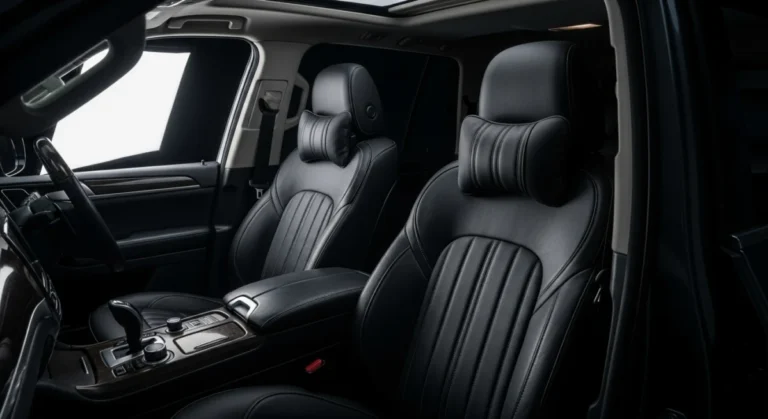
Seat covers: the unsung heroes of automotive interiors. They protect your seats from wear and tear, spills, and fading, but often get overlooked. We focus on the material, color, or fit, but what about the stitching quality? It’s the often-invisible foundation upon which the seat cover’s longevity and aesthetic appeal are built. A poorly stitched seat cover might look good initially, but will quickly unravel, stretch unevenly, and ultimately fail to deliver the protection you’re paying for. In this comprehensive guide, we’ll delve into the intricacies of seat cover stitching, revealing what makes it exceptional and how to identify superior craftsmanship. Think of it as an investment; prioritizing quality stitching is akin to ensuring the structural integrity of your investment.
Understanding Seat Cover Stitching Quality
What is Seat Cover Stitching & How it Works
Seat cover stitching is the process of joining fabric panels together to create the seat cover’s three-dimensional shape. It uses specialized sewing machines and threads to create durable and aesthetically pleasing seams. These seams hold the entire seat cover together, dictating its ability to withstand stretching, friction, and environmental factors. The “how it works” is more complex than simply joining two pieces of fabric. Stitch density, stitch type, thread type, and tension all play critical roles.
- Stitch Density: This refers to the number of stitches per inch (SPI). Higher SPI generally indicates a stronger and more durable seam. Too few stitches create weak points, while excessive SPI can perforate the fabric and weaken it.
- Stitch Type: Different stitch types offer varying levels of strength and flexibility. Common types include:
- Lockstitch: A simple, versatile stitch where two threads interlock. It’s commonly used for basic seams.
- Chainstitch: A looping stitch that’s faster to produce but less durable than lockstitch.
- Overlock Stitch (Serged Edge): Used to finish raw edges, preventing fraying and providing a clean appearance.
- Double Stitch: Adds reinforcement to an existing seam, enhancing durability.
- Coverstitch: Creates a flat, professional-looking seam, often used in athletic wear and for joining knit fabrics.
- Thread Type: The type of thread used is crucial. Common materials include:
- Polyester Thread: Strong, durable, and resistant to UV degradation. An excellent all-around choice.
- Nylon Thread: High tensile strength and elasticity, suitable for applications requiring stretch.
- Cotton Thread: Natural and soft, but less durable than synthetic options. Prone to shrinking and fading.
- Bonded Thread: Threads that have been treated with resin or other polymers to improve strength, durability, and resistance to abrasion.
- Tension: Proper thread tension is essential for creating balanced stitches. Too much or too little tension can lead to weak or puckered seams.
Benefits and Key Features of Quality Stitching
Investing in seat covers with high-quality stitching delivers a range of benefits, significantly enhancing the value and lifespan of your purchase.
- Enhanced Durability: Strong, well-executed stitching ensures the seat cover can withstand the rigors of daily use, including constant sitting, sliding, and friction.
- Extended Lifespan: Quality stitching prevents seams from unraveling, stretching, or tearing prematurely, extending the seat cover’s lifespan significantly.
- Improved Appearance: Neat, uniform stitching contributes to a professional and aesthetically pleasing appearance, enhancing the overall look of your car’s interior.
- Better Fit: Consistent stitch tension ensures the seat cover conforms accurately to the contours of your seats, providing a snug and wrinkle-free fit.
- Enhanced Comfort: Properly executed seams prevent irritation and discomfort caused by rough or uneven stitching rubbing against your skin.
- Resistance to Wear and Tear: Resists abrasion and damage from entering and exiting the vehicle, as well as the friction from normal use.
- Prevents Sagging: Reinforcement to prevent seat cover sagging over time
Installation Tips for Preserving Stitching
While the initial stitching quality is paramount, proper installation plays a crucial role in maintaining the integrity of the seams.
- Follow Instructions Carefully: Always adhere to the manufacturer’s installation instructions. Improper installation can stress the seams and cause them to fail prematurely.
- Avoid Excessive Stretching: Be gentle when stretching the seat cover over the seat. Avoid pulling or tugging excessively, as this can strain the seams.
- Use Appropriate Tools: Use tools recommended by the manufacturer for securing the seat cover, such as hog ring pliers or specialized hooks.
- Ensure Proper Alignment: Make sure the seat cover is properly aligned before securing it. Misalignment can put undue stress on certain seams.
- Check for Loose Threads: Before using the seat covers for the first time, inspect the stitching for any loose or frayed threads. Trim them carefully to prevent further unraveling.
Maintenance and Care for Long-Lasting Stitching
Proper maintenance and care will help preserve the stitching and extend the lifespan of your seat covers.
- Regular Cleaning: Clean your seat covers regularly to remove dirt, grime, and spills. Follow the manufacturer’s instructions for cleaning, using appropriate cleaners for the material.
- Avoid Harsh Chemicals: Avoid using harsh chemicals or abrasive cleaners, as these can damage the thread and weaken the seams.
- UV Protection: If your seat covers are exposed to direct sunlight, consider using a UV protectant spray to prevent fading and degradation of the thread.
- Address Issues Promptly: If you notice any loose threads, unraveling seams, or other stitching issues, address them promptly. Repairing minor damage early can prevent it from escalating into a major problem. A skilled seamstress or upholstery shop can often repair damaged stitching.
- Gentle Vacuuming: Gently vacuuming can remove debris that can break down the stitch integrity.
Top Buying Factors: Evaluating Seat Cover Stitching
When purchasing seat covers, consider these factors to ensure you’re getting a product with superior stitching quality.
- Inspect the Stitching: Before buying, carefully inspect the stitching. Look for neat, uniform stitches with consistent tension. Avoid seat covers with loose threads, uneven seams, or puckered fabric.
- Thread Type: Inquire about the type of thread used. Opt for seat covers with durable, UV-resistant threads like polyester or nylon.
- Stitch Density: Ask about the stitch density (SPI). Higher SPI generally indicates a stronger and more durable seam.
- Reinforced Seams: Look for seat covers with reinforced seams in high-stress areas, such as along the edges and around seatbelt openings. Double stitching or taped seams add extra strength.
- Reputable Brands: Choose seat covers from reputable brands known for their quality and craftsmanship. Read reviews and research the manufacturer’s reputation.
- Warranty: Check for a warranty that covers stitching defects. A longer warranty indicates the manufacturer’s confidence in their product’s quality.
- Ask Questions: Don’t hesitate to ask the seller questions about the stitching process and materials used. A knowledgeable seller should be able to provide detailed information and address your concerns.
- Look for Serged Edges: Serged edges prevent fraying and unraveling, extending the lifespan.
Essential FAQs About Seat Cover Stitching
Q1: What’s more important: the fabric of the seat cover or the stitching?
While both are crucial, the stitching is arguably more important. High-quality fabric with poor stitching will fail prematurely. Durable stitching with a decent fabric will outlast low-quality stitching on premium fabric. They must work together, but subpar stitching undoes any benefit provided by the material.
Q2: Can I repair damaged stitching on my seat covers myself?
Simple repairs, such as trimming loose threads, can be done at home. However, more complex repairs, like re-stitching a torn seam, are best left to professionals. A skilled seamstress or upholstery shop has the expertise and equipment to ensure a proper and durable repair.
Q3: Are more expensive seat covers always better stitched?
Not necessarily. Price doesn’t always guarantee quality. While higher-priced seat covers often use better materials and have more meticulous stitching, it’s essential to inspect the stitching carefully regardless of the price. Some less expensive brands prioritize stitching quality to provide good value.
Q4: How does UV exposure affect seat cover stitching?
UV exposure can degrade the thread over time, causing it to become brittle and weak. This can lead to unraveling and seam failure. Choose seat covers with UV-resistant threads or use a UV protectant spray to mitigate the effects of sun damage.
Q5: What are the signs of poor-quality seat cover stitching?
Signs of poor-quality stitching include:
- Loose or frayed threads
- Uneven or inconsistent stitch spacing
- Puckered or wrinkled fabric around the seams
- Visible gaps or holes in the stitching
- Seams that easily pull apart with slight pressure
- Thread color fading rapidly
In conclusion, understanding and prioritizing seat cover stitching quality is paramount to ensuring the longevity, durability, and aesthetic appeal of your investment. By considering the factors outlined in this guide, you can make an informed purchase and enjoy years of reliable seat protection. Don’t overlook this crucial element – the difference between a seat cover that simply covers and one that truly protects lies in the strength and integrity of its stitching.