Mud Flaps and Paint Protection: A Comprehensive Guide
Protecting your vehicle’s paint is an ongoing battle. From road debris to harsh weather conditions, countless elements can chip, scratch, and degrade your car’s finish. While regular washing and waxing offer a degree of protection, they often fall short against the relentless assault of everyday driving. Mud flaps and other paint protection solutions, however, offer a more robust defense. In fact, studies show that vehicles equipped with mud flaps experience up to 75% less paint chipping and damage in areas directly behind the wheels. This guide will provide an in-depth look at how mud flaps and related products work, their benefits, installation tips, maintenance, and essential buying factors.
Understanding Mud Flaps and Paint Protection
What are Mud Flaps?
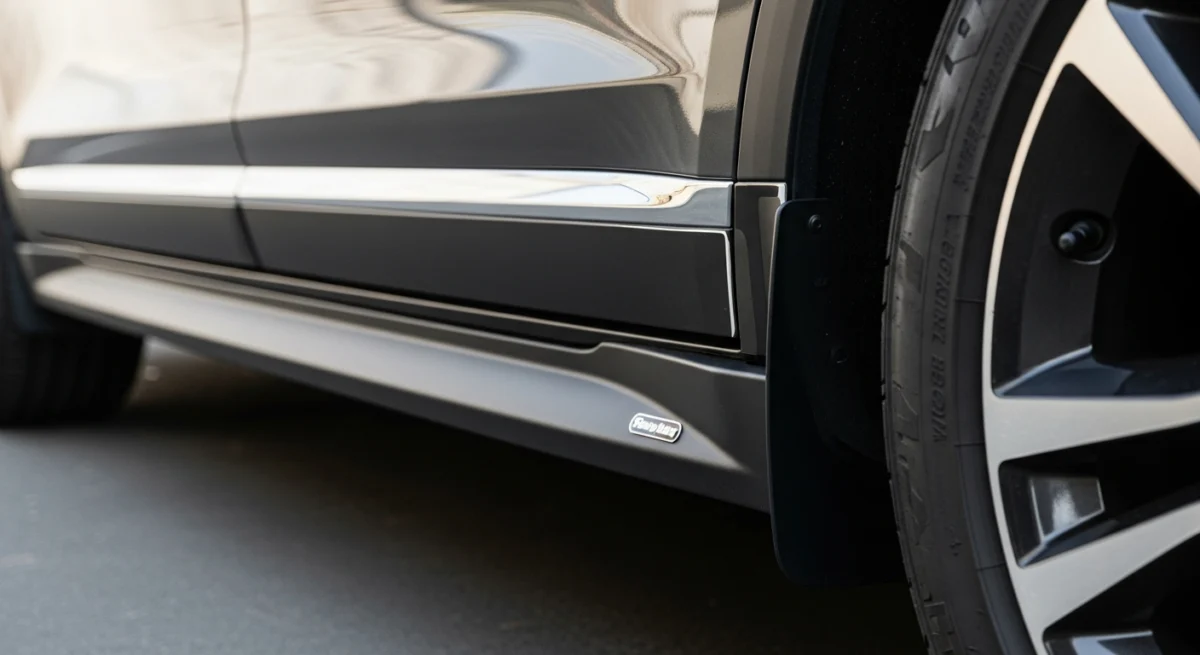
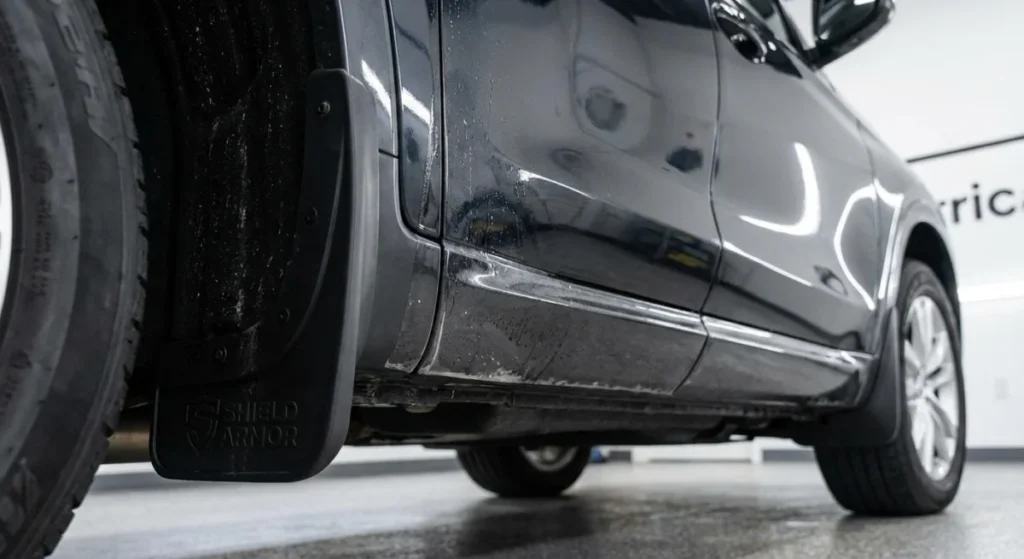
Mud flaps, also known as splash guards or mud guards, are protective barriers positioned behind the wheels of a vehicle. Their primary function is to intercept and deflect debris kicked up by the tires, such as mud, rocks, water, snow, and road salt. This prevents the debris from impacting the vehicle’s body panels, undercarriage, and nearby vehicles.
How Do Mud Flaps Work?
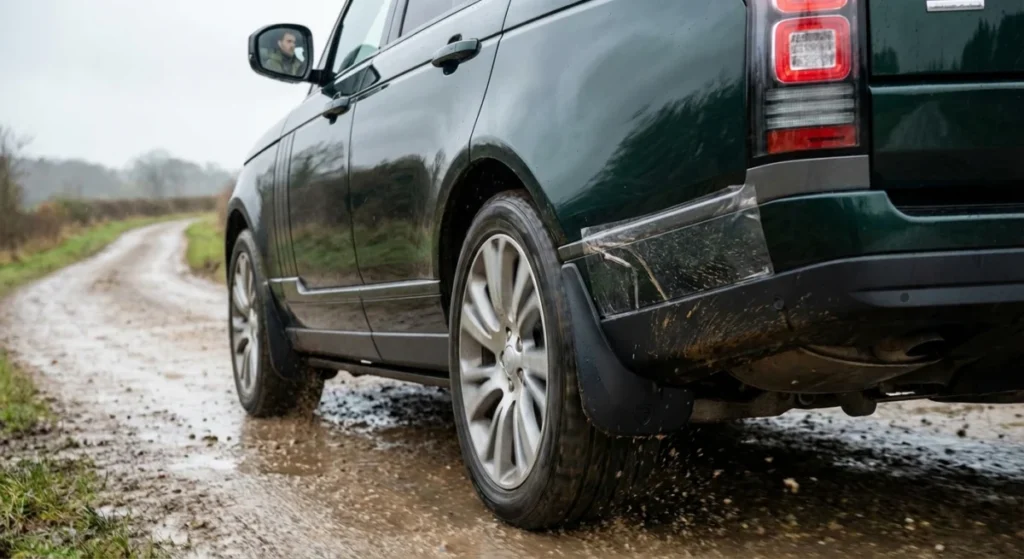
Mud flaps work by physically blocking the trajectory of debris ejected from the tires. As the tires rotate, they naturally pick up loose materials from the road surface. Without mud flaps, this material would be propelled rearward at high speeds, impacting the lower body panels and potentially causing damage. By strategically positioning the flaps, they intercept this spray, redirecting it downwards and minimizing the force and spread of the debris. The effectiveness depends on the flap’s size, material, and placement relative to the tire.
Other Paint Protection Products
Beyond mud flaps, several other products contribute to paint protection:
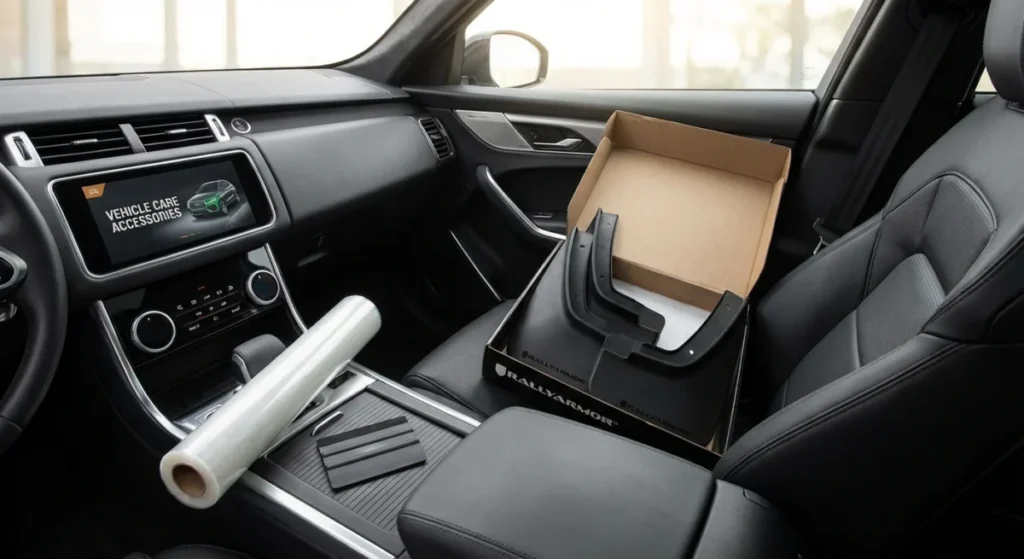
- Paint Protection Film (PPF): A clear, self-adhesive urethane film applied directly to painted surfaces. PPF acts as a sacrificial layer, absorbing impacts and preventing scratches, chips, and stains from reaching the underlying paint.
- Ceramic Coatings: A liquid polymer that chemically bonds to the vehicle’s paint, creating a durable, hydrophobic layer. Ceramic coatings offer excellent protection against UV rays, oxidation, chemical stains, and minor scratches.
- Rocker Panel Protection: Typically pre-cut adhesive films or molded guards specifically designed to protect the rocker panels (the area between the wheels and below the doors) from stone chips and abrasion.
- Hood Protectors/Deflectors: Designed to deflect bugs and small stones away from the hood, helping prevent chips and damage.
Benefits and Key Features
Protecting Your Investment
The primary benefit of mud flaps and paint protection products is preserving the value of your vehicle. By preventing paint damage, these products help maintain a clean, like-new appearance, which translates to a higher resale value.
Preventing Rust and Corrosion
Damage to the paint exposes the underlying metal to moisture and contaminants, leading to rust and corrosion. Mud flaps and protective films significantly reduce the risk of rust formation, extending the lifespan of your vehicle.
Maintaining Aesthetics
Chipped and scratched paint detracts from the overall appearance of your vehicle. Mud flaps and paint protection help keep your vehicle looking its best, maintaining its aesthetic appeal.
Improved Safety
By reducing spray and debris kicked up by tires, mud flaps improve visibility for following vehicles, especially in wet or snowy conditions. This can contribute to safer driving conditions for everyone.
Key Features to Look For:
- Material: Durable, flexible materials like rubber, thermoplastic, or polyethylene are ideal for mud flaps. PPF should be made from high-quality urethane film.
- Size and Shape: Choose mud flaps that are appropriately sized for your vehicle and tire size. They should provide adequate coverage without dragging on the ground.
- Fitment: Ensure the mud flaps are designed for your specific make and model for a proper and secure fit. PPF should be pre-cut or easily customizable for your vehicle.
- Installation Hardware: Look for kits that include all necessary hardware and clear instructions for easy installation.
- UV Resistance: Choose products that are UV resistant to prevent fading, cracking, or discoloration over time.
- Self-Healing Properties (PPF): Some PPF films have self-healing properties, allowing minor scratches to disappear with heat.
Installation Tips
Mud Flaps Installation
Preparation: Clean the area behind the wheels thoroughly with soap and water, then dry it completely. Ensure there’s no dirt or grease that could interfere with the installation.
Test Fit: Before permanently installing the mud flaps, test fit them to ensure they align properly with the mounting points.
Drilling (If Necessary): Some mud flaps require drilling into the fender liners. If drilling is necessary, use a drill bit that is appropriately sized for the mounting screws. Be cautious not to drill into any wiring or brake lines.
Secure Mounting: Use the provided hardware to securely mount the mud flaps. Avoid over-tightening the screws, as this could damage the fender liners or the mud flaps themselves.
Paint Protection Film (PPF) Installation
Surface Preparation: Thoroughly clean and decontaminate the surface with isopropyl alcohol and a clay bar. Any imperfections will be trapped under the film.
Slip Solution: Apply a slip solution (a mixture of water and a small amount of dish soap) to the surface and the adhesive side of the PPF. This allows you to reposition the film during installation.
Application: Carefully apply the PPF to the surface, smoothing out any air bubbles or wrinkles with a squeegee.
Heat Gun (Optional): Use a heat gun to help the film conform to complex curves and to activate the adhesive. Be careful not to overheat the film.
Trimming: If the PPF is not pre-cut, use a sharp utility knife to trim any excess film around edges and corners. Be extremely careful not to cut into the paint.
Professional Installation
For complex installations or if you’re not comfortable working on your vehicle, consider hiring a professional installer. They have the expertise and tools to ensure a perfect installation.
Maintenance and Care
Mud Flaps
Regular Cleaning: Wash mud flaps regularly with soap and water to remove dirt, mud, and road salt.
Protectant: Apply a rubber or plastic protectant to help prevent fading and cracking.
Inspection: Regularly inspect the mud flaps for damage or wear. Replace them if they are cracked, torn, or excessively worn.
Hardware Check: Periodically check the mounting hardware to ensure it is tight and secure.
Paint Protection Film (PPF) and Ceramic Coatings
Gentle Washing: Wash the vehicle with a pH-neutral car wash soap and a soft microfiber wash mitt. Avoid using harsh chemicals or abrasive cleaning products.
Avoid Abrasive Polishing: Avoid using abrasive polishes or compounds on PPF or ceramic coatings.
Drying: Dry the vehicle with a soft microfiber towel.
Top-Up (Ceramic Coatings): For ceramic coatings, consider applying a top-up sealant every few months to maintain the coating’s hydrophobic properties and protection.
Top Buying Factors
Vehicle Type
The type of vehicle you drive will influence the type and size of mud flaps you need. Trucks and SUVs typically require larger mud flaps than cars.
Driving Conditions
If you frequently drive on gravel roads or in harsh weather conditions, you’ll need more durable and robust mud flaps and paint protection.
Material Quality
Choose high-quality materials that are designed to withstand the elements and provide long-lasting protection.
Fitment and Ease of Installation
Ensure the mud flaps and paint protection products are designed for your specific make and model and that they are easy to install.
Cost
Consider your budget and choose products that offer the best value for your money. While cheaper options may seem appealing, they may not provide the same level of protection or durability.
Aesthetics
Choose mud flaps and paint protection that complement the look of your vehicle.
Essential FAQ
Q: Are mud flaps universal, or do I need specific ones for my car? A: While some mud flaps are marketed as universal, it’s best to choose mud flaps specifically designed for your vehicle’s make and model. This ensures proper fitment and maximum protection.
Q: Can I install paint protection film myself? A: Yes, you can install PPF yourself, but it requires patience, skill, and attention to detail. Professional installation is often recommended for the best results.
Q: How long does paint protection film last? A: High-quality PPF can last for 5-10 years with proper care and maintenance.
Q: Will mud flaps affect my gas mileage? A: The impact on gas mileage is minimal. Larger mud flaps may create slightly more drag, but the difference is usually negligible.
Q: Can I wax over paint protection film? A: Yes, you can wax over PPF. Use a wax specifically designed for PPF or a wax that is safe for clear coats. Avoid using abrasive waxes or compounds.
Conclusion
Investing in mud flaps and paint protection is a smart way to safeguard your vehicle’s appearance, value, and longevity. By understanding the different types of protection available, considering key buying factors, and following proper installation and maintenance procedures, you can keep your vehicle looking its best for years to come. Whether you opt for the simple functionality of mud flaps or the comprehensive defense of paint protection film, taking proactive steps to shield your vehicle from the elements is an investment that pays off in the long run.