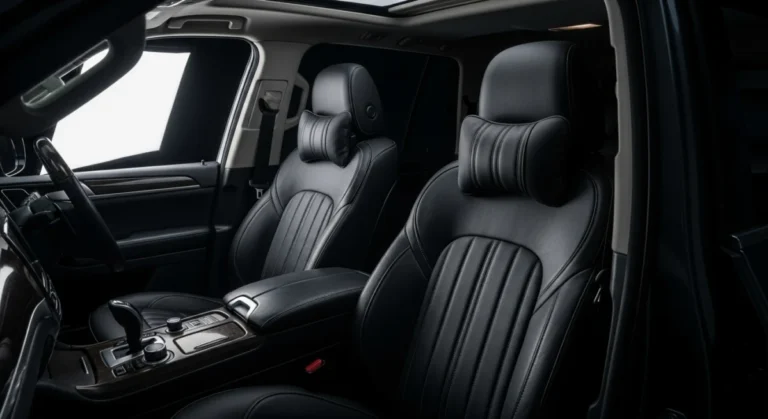
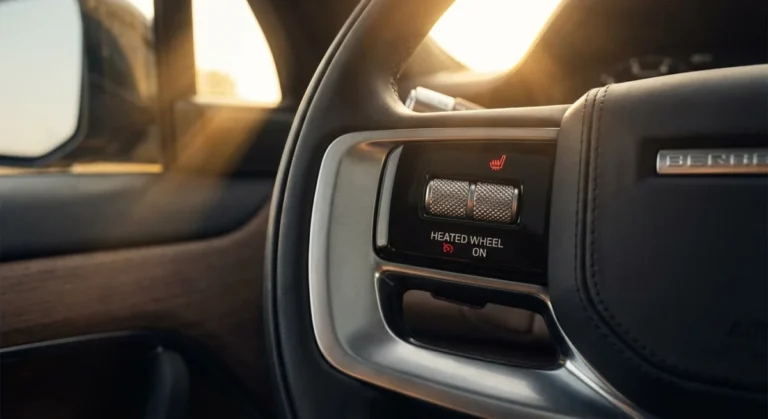
In the dead of winter, that first touch of your car seat can send shivers down your spine – and not the good kind. But what if you could transform that icy shock into a warm, comforting embrace? Enter the world of heated seat covers. These aftermarket accessories are rapidly growing in popularity, with industry reports indicating a significant rise in sales year after year. They offer an affordable and convenient alternative to factory-installed heated seats, addressing the need for cozy comfort on chilly commutes. In this comprehensive guide, we’ll delve deep into everything you need to know about heated seat covers, from how they work to how to choose the perfect one for your ride.
Understanding Heated Seat Covers
Heated seat covers are aftermarket accessories designed to provide warmth and comfort to vehicle occupants, particularly during cold weather conditions. They offer a practical solution for vehicles that lack factory-installed heated seats or for those looking to enhance the heating performance of existing systems.
How They Work
Most heated seat covers operate using a simple yet effective principle: electrical resistance. Inside the cover, a network of heating elements, typically composed of carbon fiber or a similar resistive material, is embedded within the fabric. When you plug the cover into your vehicle’s 12V cigarette lighter socket (now often a power outlet), an electrical current flows through these elements. This resistance to the flow of electricity generates heat, which then warms the surface of the seat cover.
The temperature is usually controlled by a small module integrated into the cover, allowing users to adjust the heat level to their preference. Some advanced models even feature thermostats that automatically regulate the temperature to prevent overheating and maintain a consistent level of warmth. Safety features such as overload protection are also commonly included.
Benefits and Key Features of Heated Seat Covers
Heated seat covers offer a plethora of benefits that extend beyond simple warmth.
- Enhanced Comfort: The most obvious benefit is the immediate warmth and comfort they provide, making cold weather driving a much more pleasant experience.
- Improved Circulation: The gentle heat can promote better blood circulation, potentially reducing stiffness and discomfort on long journeys.
- Therapeutic Relief: Some users find that heated seat covers help alleviate minor aches and pains, particularly in the back and hips.
- Cost-Effectiveness: They are significantly more affordable than having heated seats installed professionally or purchasing a new vehicle with this feature.
- Portability and Versatility: Many heated seat covers are easily transferable between vehicles, making them a versatile option for those who drive multiple cars.
- Easy Installation: Generally, installation is straightforward and requires no special tools or expertise.
- Variety of Styles and Materials: Available in a range of materials (e.g., faux leather, plush fabric, breathable mesh) and designs to complement your car’s interior.
- Adjustable Temperature Settings: Multiple heat settings allow users to customize their comfort level.
- Safety Features: Overheat protection, short-circuit protection, and other safety mechanisms ensure safe operation.
Installation Tips for Heated Seat Covers
Installing a heated seat cover is usually a simple process that can be completed in a matter of minutes. However, following these tips will ensure a smooth and secure installation.
1. Read the Instructions: Always start by carefully reading the manufacturer’s instructions. While the basic process is similar for most models, specific instructions may vary. 2. Position the Cover: Place the cover on your seat, ensuring it is properly aligned. Most covers are designed to fit snugly and securely. 3. Secure the Straps and Hooks: Most covers come with straps, hooks, or elastic bands to secure them to the seat. Use these to prevent the cover from shifting or sliding around. 4. Connect the Power Cord: Plug the power cord into your vehicle’s 12V power outlet. Ensure the connection is secure and that the cord doesn’t interfere with your driving. 5. Test the Functionality: Turn on the heated seat cover and test all the temperature settings to ensure it is working correctly. 6. Avoid Obstructing Seat Belts or Airbags: Ensure the cover does not interfere with the proper functioning of seat belts or airbags. 7. Tuck in Excess Cording: Neatly tuck any excess power cord under the seat to prevent tripping hazards.
Maintenance and Care
Proper maintenance and care will extend the life of your heated seat cover and ensure its continued performance.
- Cleaning: Regularly clean your seat cover with a damp cloth to remove dirt and spills. Avoid using harsh chemicals or abrasive cleaners. Follow the manufacturer’s instructions for specific cleaning recommendations.
- Storage: When not in use, store the seat cover in a cool, dry place away from direct sunlight.
- Inspect for Damage: Periodically inspect the cover for any signs of wear and tear, such as frayed wires or damaged fabric. Repair or replace the cover if necessary.
- Avoid Sharp Objects: Be careful not to puncture or tear the cover with sharp objects.
- Unplug When Not in Use: Always unplug the seat cover when not in use to prevent accidental overheating or electrical damage.
- Cord Maintenance: Inspect the power cord regularly for any damage and replace if necessary. Avoid kinking or bending the cord excessively.
Top Buying Factors for Heated Seat Covers
Choosing the right heated seat cover involves considering several key factors to ensure you get the best possible product for your needs.
- Material: Opt for durable and comfortable materials such as faux leather, plush fabric, or breathable mesh. Consider the climate you live in and choose a material that will be comfortable in both warm and cold weather.
- Size and Fit: Ensure the cover is compatible with your vehicle’s seat size and shape. Universal-fit covers are available, but some models are specifically designed for certain vehicle types.
- Heating Performance: Look for covers with multiple heat settings and a thermostat to maintain a consistent temperature. Consider the wattage and amperage to ensure adequate heating power.
- Safety Features: Prioritize covers with overheat protection, short-circuit protection, and other safety mechanisms.
- Ease of Installation: Choose a cover that is easy to install and remove, especially if you plan to transfer it between vehicles.
- Durability and Longevity: Read reviews and look for covers made from high-quality materials that are designed to withstand regular use.
- Warranty: A good warranty provides peace of mind and protects you against potential defects or malfunctions.
- Price: Heated seat covers range in price from budget-friendly options to more premium models. Consider your budget and prioritize the features that are most important to you.
- User Reviews: Read online reviews to get feedback from other users about the performance, durability, and overall satisfaction of different models.
- Power Source and Consumption: Verify the power consumption and compatibility with your vehicle’s electrical system to avoid overloading circuits.
Essential FAQs About Heated Seat Covers
Here are some frequently asked questions about heated seat covers:
1. Are heated seat covers safe to use? Yes, heated seat covers are generally safe to use as long as they are properly installed and maintained. Look for models with safety features like overheat protection and short-circuit protection. Always follow the manufacturer’s instructions and unplug the cover when not in use. 2. Will heated seat covers drain my car battery? Heated seat covers draw power from your car’s battery, but the amount of power they consume is relatively low. Most models have a low amperage draw and won’t significantly drain your battery, especially if you only use them for short periods. However, prolonged use on high heat settings may deplete the battery, particularly if the car is not running. 3. Can I use a heated seat cover on leather seats? Yes, you can use a heated seat cover on leather seats. However, it’s important to choose a cover made from a soft, non-abrasive material to avoid scratching or damaging the leather. Also, avoid using excessively high heat settings, as this could potentially dry out or crack the leather over time. 4. How long do heated seat covers typically last? The lifespan of a heated seat cover depends on several factors, including the quality of materials, frequency of use, and maintenance. With proper care, a good quality heated seat cover can last for several years. 5. Are heated seat covers universal fit, or do I need a specific size? Many heated seat covers are designed to be a universal fit and will work with most vehicle seat sizes and shapes. However, it’s always a good idea to check the dimensions of the cover and compare them to your seat size to ensure a proper fit. Some manufacturers also offer covers specifically designed for certain vehicle types or seat styles.
In conclusion, heated seat covers are a fantastic way to enhance your driving experience during cold weather. By understanding their benefits, key features, installation tips, and maintenance requirements, you can choose the perfect cover to keep you warm and comfortable on the road.