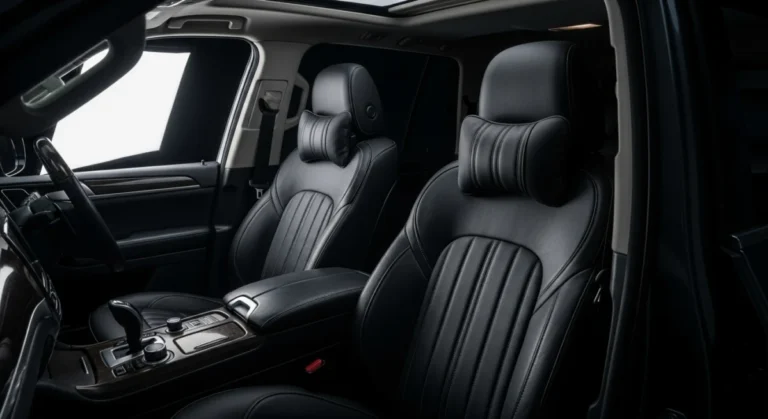
Breathable seat covers are more than just a cosmetic upgrade for your vehicle; they’re an investment in comfort and well-being, especially if you spend considerable time behind the wheel. Sweaty backs and sticky thighs are common complaints, turning even short drives into uncomfortable ordeals. According to a recent study, nearly 70% of drivers report discomfort due to heat and moisture buildup on their car seats, impacting focus and potentially driving safety. The solution? Opting for breathable seat cover materials can dramatically improve your driving experience. This guide delves deep into the world of breathable seat covers, exploring materials, benefits, and everything you need to make an informed purchasing decision.
What Are Breathable Seat Covers and How Do They Work?
Breathable seat covers are designed to combat the issue of trapped heat and moisture between your body and the car seat. Unlike traditional seat covers that often use dense, non-porous materials, breathable options utilize fabrics and construction techniques that promote airflow. This allows sweat and moisture to evaporate, keeping you cool and dry even on hot days. The core principle revolves around wicking away moisture and facilitating ventilation.
Understanding the Science Behind Breathability
Breathability isn’t just about the material itself; it’s also about its structure. Materials with open weaves or engineered knit patterns create pathways for air to circulate. These pathways allow humid air generated by your body to escape, preventing it from condensing on the seat surface. This process is further enhanced by moisture-wicking capabilities, where the fabric actively draws sweat away from your skin. Imagine a microscopic network of channels constantly working to maintain a comfortable microclimate around you.
Benefits and Key Features of Breathable Seat Covers
The advantages of breathable seat covers extend far beyond mere comfort. Here’s a breakdown of the key benefits:
- Enhanced Comfort: Reduced sweating and sticky sensations translate to a more pleasant driving experience, especially on long journeys.
- Improved Hygiene: By minimizing moisture buildup, breathable covers inhibit the growth of bacteria and fungi, contributing to a cleaner and healthier car interior.
- Temperature Regulation: Breathable materials help maintain a more consistent temperature, preventing overheating in the summer and reducing the feeling of cold leather in the winter.
- Reduced Driver Fatigue: Discomfort can lead to fatigue and decreased concentration. Breathable seat covers mitigate these issues, promoting safer driving.
- Seat Protection: Breathable covers still offer protection against spills, stains, and wear and tear, preserving the resale value of your vehicle.
- Odor Control: Reduced moisture means fewer odors. Many breathable covers also incorporate odor-resistant treatments for enhanced freshness.
Top Breathable Materials and Their Features
Several materials excel in breathability, each offering a unique combination of properties:
- Mesh: Often made from polyester or nylon, mesh is characterized by its open weave, providing excellent airflow. It’s durable, easy to clean, and relatively inexpensive. Look for 3D mesh options for enhanced ventilation.
- Perforated Leather/Faux Leather: Small perforations (tiny holes) are strategically placed across the surface of the leather or synthetic leather to allow air to circulate. This option offers a luxurious look with added breathability.
- Bamboo Fabric: A natural fiber known for its excellent moisture-wicking and antibacterial properties. Bamboo is soft, comfortable, and sustainable. It’s a great choice for those with sensitive skin.
- Linen: Another natural fiber, linen is lightweight, breathable, and gets softer with each wash. It offers a relaxed, natural look.
- Canvas: While traditionally known for its durability, canvas can be surprisingly breathable when used in a looser weave or with strategically placed ventilation panels.
- Spacer Fabric: This is a high-tech, three-dimensional knit fabric designed specifically for breathability. It features two separate layers connected by vertical fibers, creating a space for air to circulate freely.
Installation Tips for Breathable Seat Covers
Installing breathable seat covers is generally straightforward, but following these tips will ensure a snug and secure fit:
- Read the Instructions: Always start by carefully reviewing the manufacturer’s instructions.
- Remove Headrests: Removing the headrests typically makes installation easier.
- Loosen the Seat: Adjust the seat to its lowest and furthest back position for better access.
- Secure the Straps and Hooks: Most seat covers utilize straps and hooks to secure them to the seat. Ensure these are properly attached for a secure fit.
- Smooth Out Wrinkles: Once installed, take the time to smooth out any wrinkles or creases for a professional-looking finish.
- Consider Professional Installation: If you’re unsure about the installation process, consider hiring a professional installer.
Maintenance and Care of Breathable Seat Covers
Proper care will extend the life and maintain the breathability of your seat covers:
- Vacuum Regularly: Use a vacuum cleaner with an upholstery attachment to remove dust, dirt, and debris.
- Spot Clean Spills Immediately: Address spills promptly with a clean cloth and mild detergent. Avoid harsh chemicals that could damage the fabric.
- Follow Washing Instructions: If the seat covers are machine washable, follow the manufacturer’s instructions carefully. Use a gentle cycle and cold water.
- Air Dry: Avoid using a dryer, as the heat can damage the fabric and compromise its breathability. Air drying is the best option.
- Use Fabric Protector: Applying a fabric protector can help repel stains and protect the seat covers from wear and tear.
- Avoid Direct Sunlight: Prolonged exposure to direct sunlight can fade the fabric and degrade its properties. Consider using window shades to protect your car interior.
Top Buying Factors for Breathable Seat Covers
Before purchasing breathable seat covers, consider these key factors:
- Material: Choose a material that aligns with your needs and preferences. Consider factors like breathability, durability, comfort, and aesthetics.
- Fit: Ensure the seat covers are designed to fit your specific vehicle make and model. A snug fit is essential for both comfort and safety.
- Coverage: Determine the level of coverage you need. Some seat covers only cover the seating surface, while others offer full coverage, including the sides and back.
- Installation: Consider the ease of installation. Some seat covers are designed for quick and easy installation, while others require more effort.
- Price: Set a budget and compare prices from different brands and retailers. Remember that quality often comes at a premium.
- Reviews: Read online reviews from other customers to get an idea of the seat covers’ performance and durability.
- Features: Look for additional features such as lumbar support, side airbag compatibility, and storage pockets.
- Aesthetics: Choose a design and color that complements your car’s interior.
Essential FAQs About Breathable Seat Covers
- Q: Are all seat covers breathable?
- A: No, not all seat covers are breathable. Many traditional seat covers are made from dense, non-porous materials that trap heat and moisture. Look for seat covers specifically marketed as “breathable.”
- Q: Can breathable seat covers help with back pain?
- A: While breathable seat covers primarily focus on ventilation, some models offer added lumbar support, which can help alleviate back pain.
- Q: How do I know if a seat cover is truly breathable?
- A: Check the material composition and look for features like mesh panels, perforations, or moisture-wicking properties. Reading customer reviews can also provide insights.
- Q: Will breathable seat covers affect the performance of my heated seats?
- A: Breathable seat covers may slightly reduce the effectiveness of heated seats, but the impact is usually minimal. Choose thinner, more breathable materials for optimal performance.
- Q: Are breathable seat covers suitable for all climates?
- A: Yes, breathable seat covers are beneficial in all climates. In hot climates, they help keep you cool and dry. In cold climates, they prevent you from sticking to cold leather seats.
In conclusion, investing in breathable seat covers is a smart move for anyone seeking a more comfortable and enjoyable driving experience. By understanding the different materials, features, and benefits, you can choose the perfect seat covers to meet your individual needs and preferences. Prioritize factors such as fit, material quality, and ease of maintenance to ensure you’re making a worthwhile purchase.