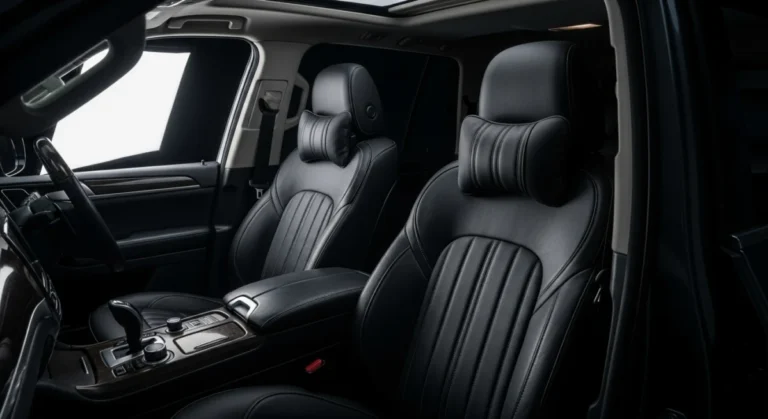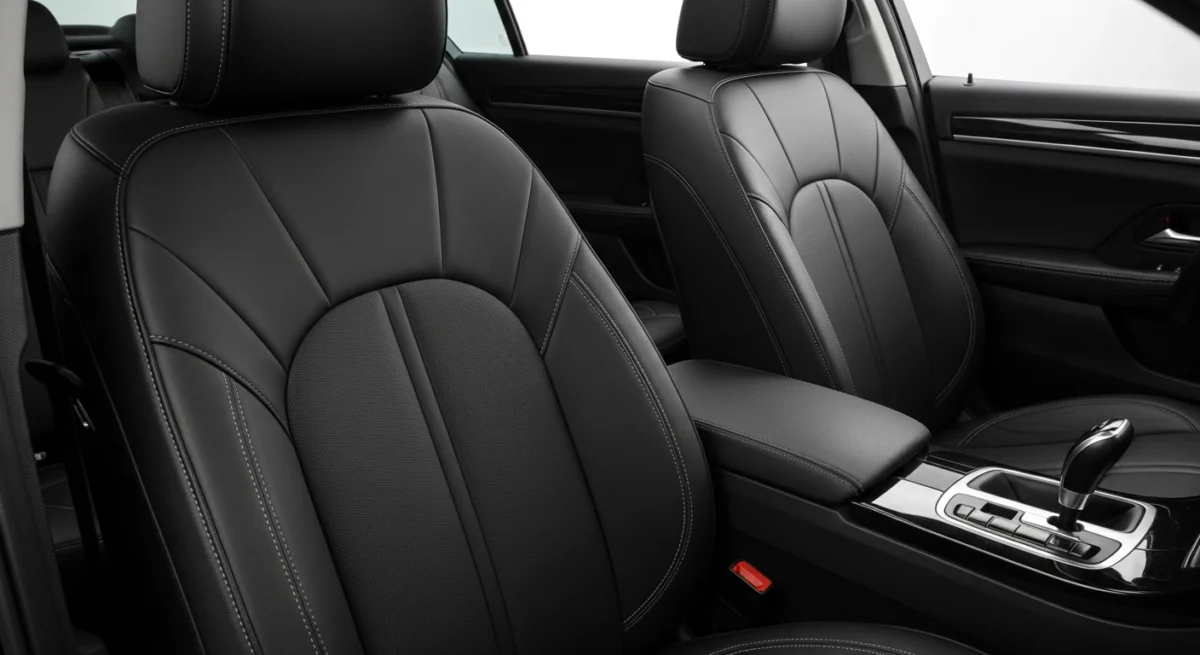
Bench seats: a nostalgic reminder of simpler times, offering ample space and classic charm. But let’s face it, they often suffer the brunt of daily wear and tear. Scratches, spills, sun damage – the list goes on. According to recent surveys, bench seats in work trucks and vintage vehicles are the most common candidate for reupholstering, costing hundreds, even thousands of dollars. But there’s a better way. Enter the unsung hero of automotive comfort and preservation: the bench seat cover. This guide is your deep dive into everything bench seat covers, from understanding their benefits to selecting the perfect one for your ride.
What is a Bench Seat Cover and How Does it Work?
A bench seat cover is essentially a protective layer designed to fit over the existing bench seat in your vehicle. Think of it as a tailored garment for your seating. They’re crafted from various materials, each offering different levels of protection, comfort, and style.
How it Works
Bench seat covers work by providing a physical barrier between the original upholstery and the elements. This barrier shields against:
- Abrasion: Preventing wear and tear from getting in and out of the vehicle.
- Spills and Stains: Liquids are repelled or absorbed, preventing permanent damage.
- UV Damage: Blocking harmful UV rays that can fade and crack the original upholstery.
- Pet Hair and Dander: Keeping the seats clean and allergen-free.
Bench seat covers can be installed in a few ways, depending on the design. Some slip over the seat and are held in place by elastic straps and hooks, while others require a more involved installation process involving removing the seat and securing the cover with hog rings or other fasteners. The key is a snug and secure fit to prevent the cover from shifting and bunching.
Benefits and Key Features of Bench Seat Covers
Investing in bench seat covers offers a multitude of advantages, making them a worthwhile addition to any vehicle with a bench seat.
Enhanced Protection
This is the primary benefit. A good bench seat cover safeguards your original upholstery from:
- Daily Wear and Tear: Protects against the inevitable scratches, scuffs, and fading that comes with regular use.
- Accidental Spills: Creates a barrier against liquids like coffee, soda, and water, preventing stains and odors.
- Sun Damage: Shields the seat from harmful UV rays that can cause cracking, fading, and discoloration.
- Dirt and Grime: Makes cleaning easier by acting as a catch-all for dirt, dust, and mud.
Improved Comfort
Beyond protection, bench seat covers can significantly enhance your driving experience:
- Added Padding: Some covers come with extra padding for increased comfort, especially on long journeys.
- Temperature Regulation: Certain materials, like breathable fabrics, can help regulate seat temperature, keeping you cool in the summer and warm in the winter.
- Texture and Feel: Upgrade the texture and feel of your seat with premium materials like leatherette or suede.
Style and Customization
Bench seat covers offer a cost-effective way to personalize your vehicle’s interior:
- Variety of Colors and Patterns: Choose from a wide range of colors, patterns, and designs to match your personal style.
- Material Options: Select from different materials like canvas, leatherette, neoprene, and fabric to achieve the desired look and feel.
- Custom Fit Options: Many manufacturers offer custom-fit covers that are tailored to the specific dimensions of your bench seat.
Increased Resale Value
Protecting your original upholstery with seat covers can significantly increase your vehicle’s resale value. Buyers are more likely to pay a premium for a vehicle with a well-maintained interior.
Key Features to Look For:
- Durable Materials: Look for covers made from high-quality, durable materials that can withstand daily wear and tear.
- Water Resistance: A water-resistant coating or material will protect your seats from spills and stains.
- UV Protection: UV-resistant materials will prevent fading and cracking caused by sun exposure.
- Custom Fit: A custom or semi-custom fit will ensure a snug and secure fit that looks great and provides maximum protection.
- Easy to Clean: Choose covers that are easy to clean and maintain, either by wiping them down or machine washing.
- Airbag Compatibility: If your vehicle has airbags in the seats, ensure that the covers are compatible and will not interfere with their deployment.
- Storage Pockets: Some covers come with built-in storage pockets for added convenience.
Installation Tips for Bench Seat Covers
Installing bench seat covers can range from simple to moderately challenging, depending on the style of cover. Here are some general tips to help you get the job done right:
- Read the Instructions: Always read the manufacturer’s instructions carefully before beginning the installation process.
- Gather Your Tools: Have all the necessary tools on hand, such as pliers, screwdrivers, and hog ring pliers (if required).
- Clean the Seats: Thoroughly clean the seats before installing the covers to remove any dirt, debris, or spills.
- Take Your Time: Don’t rush the installation process. Take your time and work carefully to ensure a snug and secure fit.
- Start with the Bottom: Begin by installing the bottom portion of the cover, then move on to the backrest.
- Adjust as Needed: Once the cover is installed, adjust it as needed to ensure a proper fit and eliminate any wrinkles or bunching.
- Secure the Straps and Hooks: Secure all straps, hooks, and fasteners according to the manufacturer’s instructions.
- Hog Rings (If Applicable): If your cover requires hog rings, use hog ring pliers to securely attach the cover to the seat frame.
- Watch Video Tutorials: If you’re unsure about any part of the installation process, watch online video tutorials for guidance.
Maintenance and Care of Bench Seat Covers
Proper maintenance and care will extend the life of your bench seat covers and keep them looking their best.
- Regular Cleaning: Clean your seat covers regularly to remove dirt, dust, and spills. Use a vacuum cleaner with an upholstery attachment to remove loose debris. For spills, blot them up immediately with a clean cloth.
- Spot Cleaning: For stubborn stains, use a mild detergent and a soft cloth to spot clean the affected area. Test the cleaner on an inconspicuous area first to ensure it doesn’t damage the material.
- Machine Washing: Some seat covers are machine washable. Follow the manufacturer’s instructions for washing and drying. Use a mild detergent and a gentle cycle.
- UV Protection: Apply a UV protectant spray to the covers regularly to prevent fading and cracking caused by sun exposure.
- Avoid Harsh Chemicals: Avoid using harsh chemicals or abrasive cleaners, as they can damage the material.
- Regular Inspection: Inspect the covers regularly for any signs of wear and tear, such as tears, rips, or loose seams. Repair any damage promptly to prevent it from getting worse.
Top Buying Factors for Bench Seat Covers
Choosing the right bench seat cover can feel overwhelming, but focusing on these key factors will help you make an informed decision:
1. Fit: Prioritize fit above all else. A loose or ill-fitting cover won’t provide adequate protection and will look unsightly. Opt for custom-fit covers designed specifically for your vehicle’s year, make, and model. If custom-fit isn’t an option, semi-custom or universal covers can work, but carefully measure your bench seat dimensions. 2. Material: Consider the material based on your needs and preferences.
- Canvas: Durable, water-resistant, and ideal for work trucks or outdoor enthusiasts.
- Leatherette: Offers a luxurious look and feel, is easy to clean, and water-resistant.
- Neoprene: Waterproof, stain-resistant, and provides a snug fit. Popular for those frequently exposed to water or mud.
- Fabric: Breathable, comfortable, and available in a variety of colors and patterns.
3. Durability: Evaluate the durability of the material and construction. Look for covers made from high-quality materials with reinforced stitching and durable fasteners. 4. Comfort: Consider the comfort level of the material. Choose a material that feels comfortable against your skin and provides adequate support. 5. Style: Select a style that complements your vehicle’s interior and reflects your personal taste. 6. Price: Set a budget and compare prices from different manufacturers. Remember that you often get what you pay for, so invest in a quality cover that will last. 7. Reviews: Read online reviews from other customers to get an idea of the product’s quality and performance.
Essential FAQs about Bench Seat Covers
Here are some frequently asked questions about bench seat covers:
1. Will bench seat covers fit all vehicles? No. While universal covers exist, custom-fit or semi-custom covers designed for your specific vehicle’s year, make, and model offer the best fit and protection. 2. Are bench seat covers difficult to install? Installation difficulty varies depending on the cover style. Some slip-on covers are easy to install, while others requiring hog rings are more challenging. Always read the instructions carefully. 3. Can bench seat covers be washed? Some can. Check the manufacturer’s instructions for washing and drying guidelines. Use a mild detergent and gentle cycle if machine washing. 4. Do bench seat covers affect airbag deployment? If your vehicle has airbags in the seats, choose covers specifically designed to be airbag compatible. 5. How long do bench seat covers last? The lifespan depends on the material, quality, and usage. High-quality covers, properly maintained, can last for several years.
Conclusion
Bench seat covers are more than just an accessory; they’re an investment in the longevity and appearance of your vehicle. By understanding the benefits, key features, and installation process, you can select the perfect cover to protect your seats, enhance your comfort, and add a touch of personal style. Don’t wait until your bench seat is damaged – proactive protection with a quality bench seat cover is always the best approach.