Picture this: you’re cruising down a freshly wet road, the kind where every passing car sends a rooster tail of dirty water splashing across your windshield. Annoying, right? But more than that, those constant bombardments of water, mud, salt, and gravel are slowly eroding your car’s finish and undercarriage. The unsung hero protecting your vehicle from this relentless assault? The humble splash guard. Let’s dive deep into the world of splash guards, mud flaps, and stone deflectors to understand how they work, why you need them, and how to choose the right ones.
What is a Splash Guard (And How Does it Work)?
At its core, a splash guard – often used interchangeably with mud flap or stone deflector – is a protective barrier installed behind the wheels of a vehicle. Their primary function is to minimize the spray and debris kicked up by the tires as they rotate. This kicked-up material can damage your vehicle, nearby cars, and even pedestrians.
But how do these simple flaps work? The physics are fairly straightforward. As your tires spin, they fling water, mud, and small rocks outwards in a tangential direction. The splash guard intercepts these projectiles, deflecting them downwards and back towards the road. The size, shape, and material of the guard influence its effectiveness. Larger guards offer more coverage, while flexible materials can absorb impacts from larger debris.
It’s important to distinguish between different types of splash guards:
- Factory Splash Guards: These are typically integrated into the vehicle’s design by the manufacturer, often made of molded plastic. They offer a streamlined appearance and are designed for general road conditions.
- Aftermarket Splash Guards: These are purchased and installed separately. They come in a variety of materials, sizes, and styles, allowing for customization based on specific needs (e.g., heavy-duty off-roading).
- Mud Flaps: Generally larger and more durable than standard splash guards, mud flaps are frequently found on trucks and SUVs designed for off-road use.
- Stone Deflectors: Often smaller and made of a more rigid material, stone deflectors are designed to protect against rock chips, especially on unpaved roads.
Benefits and Key Features of Splash Guards
Splash guards offer a multitude of benefits, extending beyond simply keeping your car cleaner.
Protecting Your Vehicle’s Finish
Arguably the most significant benefit is the protection they provide against paint damage. Constant bombardment by rocks and road debris can chip away at your car’s paint, leading to rust and corrosion over time. Splash guards act as a shield, preserving your vehicle’s aesthetic appeal and value.
Preventing Rust and Corrosion
Water and salt, especially common in winter road treatments, are notorious for accelerating rust and corrosion. These elements can seep into crevices and underbody components, leading to costly repairs. Splash guards help to minimize the amount of water and salt spray that reaches these vulnerable areas.
Enhancing Visibility for Other Drivers
Reducing road spray significantly improves visibility for vehicles behind you, especially in wet conditions. This contributes to safer driving conditions for everyone on the road.
Maintaining a Cleaner Vehicle
While not their primary function, splash guards do help to keep your car cleaner. They minimize the amount of mud and grime that accumulates on the sides and rear of your vehicle, reducing the frequency of washes.
Compliance with Regulations
In some regions, having splash guards on certain types of vehicles, particularly commercial trucks, is legally mandated. Failing to comply can result in fines.
Key Features to Consider:
- Material: Options include rubber, plastic, composite materials, and even metal. Rubber offers flexibility and impact absorption, while plastic is lightweight and durable. Composite materials provide a good balance of both.
- Size and Shape: The size and shape of the splash guard determine the amount of coverage it provides. Larger guards offer greater protection but may also be more prone to scraping on uneven surfaces.
- Mounting Hardware: Ensure the splash guard comes with appropriate mounting hardware and that it is compatible with your vehicle’s make and model.
- Aesthetic Appeal: Splash guards are available in a wide range of styles, from sleek and subtle to rugged and aggressive. Choose a design that complements your vehicle’s overall look.
Installation Tips (If Applicable)
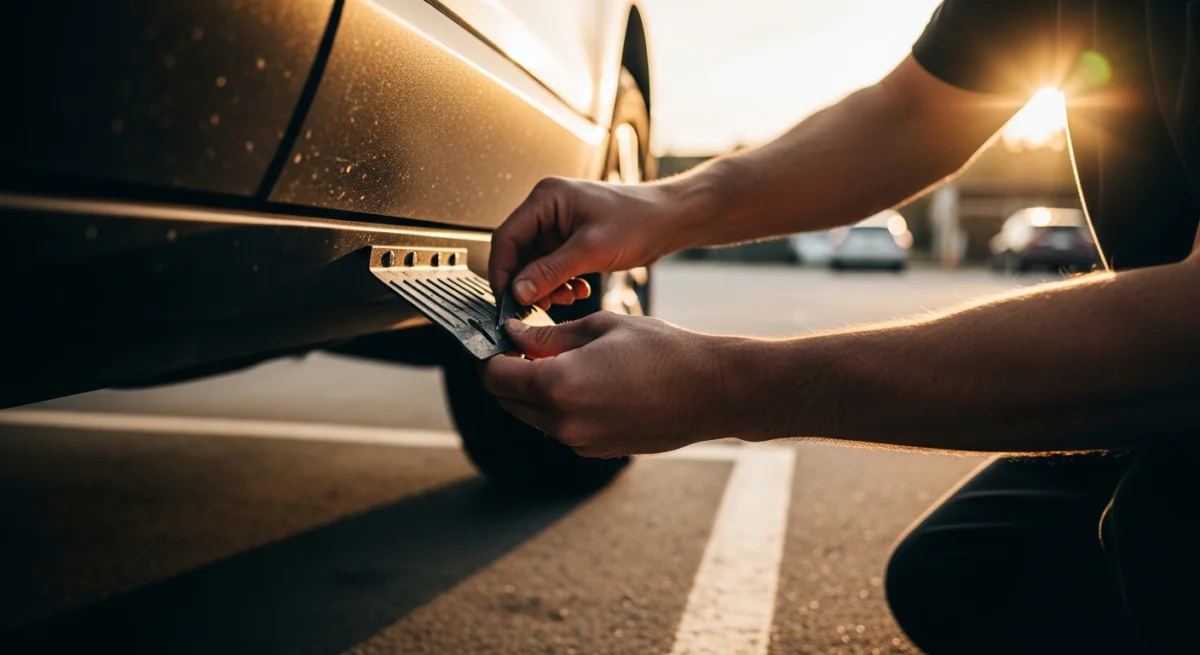
Installing splash guards is a relatively straightforward process that most DIYers can handle with basic tools. However, proper installation is crucial to ensure effectiveness and prevent damage to your vehicle.
1. Gather Your Tools: You’ll typically need a screwdriver (Phillips or flathead, depending on the hardware), a socket wrench set, and potentially a drill if you’re installing guards that require new mounting holes. 2. Prepare Your Vehicle: Park your car on a level surface and engage the parking brake. Use wheel chocks for added safety. 3. Remove Existing Hardware: If your vehicle has existing splash guards, remove them carefully, noting the location of the mounting points. 4. Position the New Splash Guard: Hold the new splash guard in place and align it with the mounting holes. Some aftermarket guards may require slight adjustments for a perfect fit. 5. Attach the Splash Guard: Use the provided hardware to secure the splash guard to the vehicle. Tighten the screws or bolts firmly, but avoid over-tightening, which could damage the guard or the mounting points. 6. Repeat for All Wheels: Repeat the process for each wheel. 7. Double-Check: Once all the splash guards are installed, double-check that they are securely attached and that there is no interference with the tires or suspension components.
Maintenance and Care
Splash guards are relatively low-maintenance items, but a few simple steps can help extend their lifespan.
- Regular Cleaning: Periodically wash your splash guards with soap and water to remove accumulated dirt, mud, and grime. This will help prevent corrosion and maintain their appearance.
- Inspection: Regularly inspect your splash guards for signs of damage, such as cracks, tears, or loose mounting hardware. Address any issues promptly to prevent further damage.
- Replacement: If a splash guard is severely damaged or no longer effectively protecting your vehicle, replace it.
Top Buying Factors
Choosing the right splash guards involves considering several factors to ensure you get the best protection and value for your needs.
- Vehicle Compatibility: Ensure the splash guards are specifically designed for your vehicle’s make, model, and year. Universal splash guards may require modification and may not provide optimal coverage.
- Material Durability: Choose a material that can withstand the road conditions you typically encounter. Rubber is a good choice for general use, while tougher plastics or composites are better suited for off-road environments.
- Coverage Area: Consider the size and shape of the splash guard to ensure it provides adequate coverage for your vehicle.
- Installation Ease: Look for splash guards that are easy to install and come with clear instructions and all necessary hardware.
- Price: Splash guards range in price from affordable to premium. Balance your budget with your needs and choose a product that offers the best value for your money.
- Aesthetics: Select splash guards that complement the overall look of your vehicle. Many options exist, from discreet, factory-style guards to aggressive, aftermarket designs.
- Brand Reputation: Opt for a reputable brand known for producing high-quality splash guards. Read reviews and compare products before making a purchase.
- Specific Use Case: Are you primarily concerned with mud, rocks, or salt spray? Tailor your choice to address your primary concern.
Essential FAQ Section
Here are some frequently asked questions about splash guards:
Q: Are splash guards required by law?
A: It depends on your location and the type of vehicle. Commercial vehicles often have legal requirements for mud flaps. Check your local regulations for specific requirements.
Q: Can I install splash guards myself, or do I need a professional?
A: Most splash guards can be installed by DIYers with basic tools. However, if you’re not comfortable working on your vehicle, it’s always best to have a professional install them.
Q: What’s the difference between splash guards and mud flaps?
A: The terms are often used interchangeably. Generally, mud flaps are larger and more durable than standard splash guards, typically found on trucks and SUVs.
Q: Will splash guards affect my vehicle’s aerodynamics or fuel economy?
A: The impact is usually negligible. While large mud flaps can potentially create a small amount of drag, the effect on fuel economy is typically minimal.
Q: How often should I replace my splash guards?
A: It depends on the material, road conditions, and driving habits. Inspect them regularly for damage, and replace them when they are no longer effectively protecting your vehicle.
Conclusion
Splash guards might seem like a small detail, but they play a crucial role in protecting your vehicle from the elements and ensuring safer driving conditions for everyone. By understanding their benefits, key features, and installation tips, you can make an informed decision and choose the right splash guards to keep your car looking its best and performing optimally for years to come. Don’t underestimate the power of these simple yet effective automotive accessories!