Mud Flaps for Rainy Climates: Your Ultimate Guide
Imagine driving down a rain-soaked highway, the spray from your tires creating a blinding curtain for vehicles behind you. Not only is this incredibly dangerous, but it also contributes to vehicle damage from road debris and reduces visibility drastically. According to the National Highway Traffic Safety Administration (NHTSA), visibility impairment due to weather conditions is a significant factor in accidents, especially in regions prone to heavy rainfall. The solution? Properly installed and well-maintained mud flaps. This guide will provide a comprehensive overview of mud flaps, focusing on their benefits, selection, installation, and maintenance in rainy climates.
What Are Mud Flaps and How Do They Work?
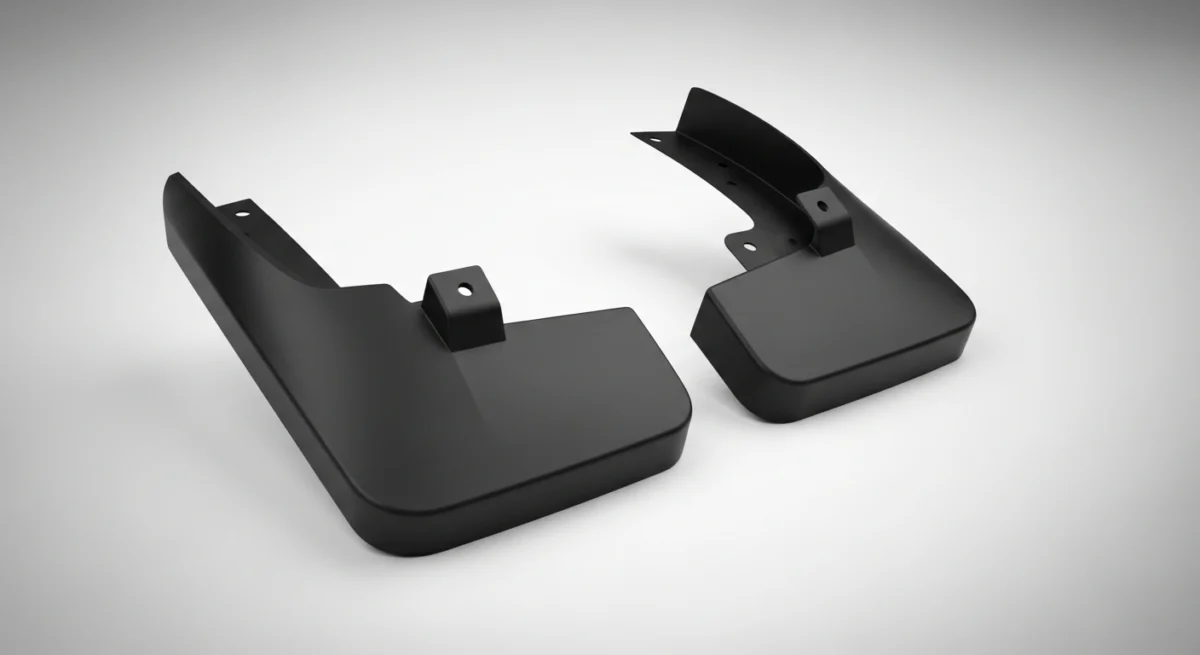
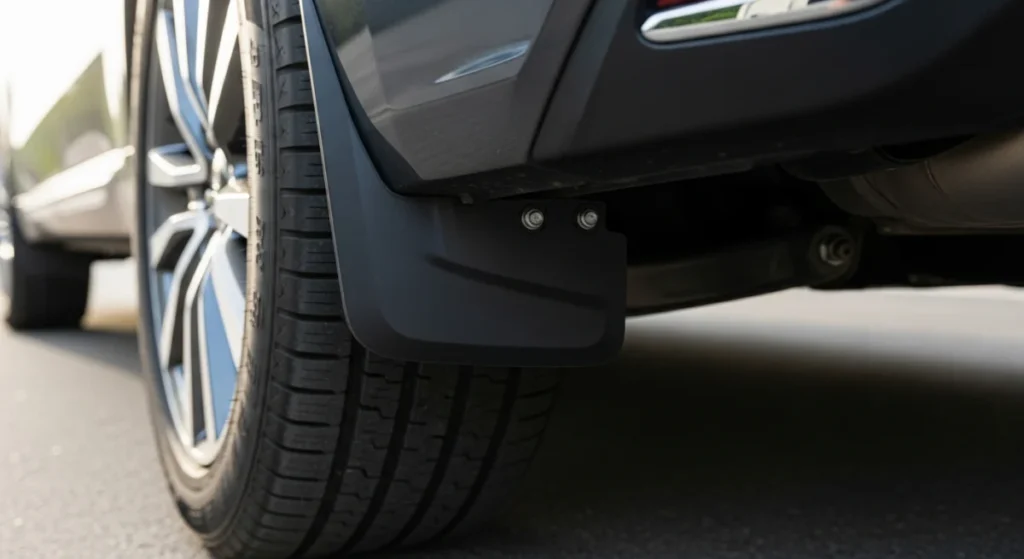
A mud flap, also known as a splash guard or stone guard, is a rectangular sheet of flexible material, usually rubber or a durable polymer, that hangs behind the tires of a vehicle. Their primary function is to minimize the projection of water, mud, rocks, snow, and other road debris into the air behind the vehicle. This helps to improve visibility for following vehicles, protect your own vehicle’s undercarriage and paint job from damage, and reduce the risk of damage to other vehicles.
The Science Behind Splash Reduction
The physics is relatively straightforward. As a tire rotates on a wet surface, it flings water and debris upwards and outwards. A mud flap acts as a barrier, intercepting this spray. By slowing down and redirecting the trajectory of the ejected material, the mud flap significantly reduces the distance and force with which the debris is projected. This is particularly crucial in rainy climates where standing water on the road is common. The effectiveness depends on the size, placement, and material of the mud flap. Larger mud flaps provide more coverage, while flexible materials absorb impact better and prevent the flap from cracking or breaking under stress.
Benefits and Key Features of Mud Flaps
Investing in a quality set of mud flaps offers a multitude of benefits, especially for drivers in rainy climates.
Protection from Road Spray and Debris
- Vehicle Protection: Minimizes chipping of the paint, rusting of the undercarriage, and damage to vulnerable components like exhaust systems and brake lines. This is even more crucial when roads are salted during winter, which can rapidly accelerate corrosion.
- Protection for Other Vehicles: Reduces the risk of stone chips and visibility impairment for following vehicles.
- Visibility Enhancement: By reducing spray, mud flaps improve visibility for both the driver and other motorists, contributing to safer driving conditions.
Compliance and Legal Considerations
- In many jurisdictions, mud flaps are legally required, particularly for commercial vehicles and trucks. Ensuring compliance with local regulations can prevent fines and ensure road safety.
- Even where not legally mandated, installing mud flaps demonstrates responsible driving and consideration for other road users.
Key Features to Look For
- Material: Rubber, thermoplastic, and composite materials are common choices. Rubber offers excellent flexibility and impact resistance, while thermoplastics provide durability and resistance to chemicals. Composite materials offer a balance of both.
- Size and Shape: Choose mud flaps that are appropriately sized for your vehicle and tire size. Wider tires require wider mud flaps for optimal coverage. The shape should also complement the vehicle’s aesthetics.
- Mounting System: Look for a robust and easy-to-install mounting system. Pre-drilled holes and included hardware can simplify the installation process.
- Anti-Spray Features: Some mud flaps feature specialized designs, such as ridges or channels, to further reduce spray.
- Durability and Weather Resistance: The mud flaps should be able to withstand extreme temperatures, UV radiation, and prolonged exposure to water and chemicals.
Installation Tips
Installing mud flaps is a relatively straightforward process that can be completed at home with basic tools. However, proper installation is crucial for optimal performance and longevity.
Preparation
- Gather Tools: You’ll need a drill, screwdriver, socket wrench, measuring tape, and safety glasses.
- Read Instructions: Carefully review the instructions provided with the mud flaps.
- Clean the Area: Clean the area behind the tires where the mud flaps will be installed. Remove any dirt, grime, or rust.
Mounting
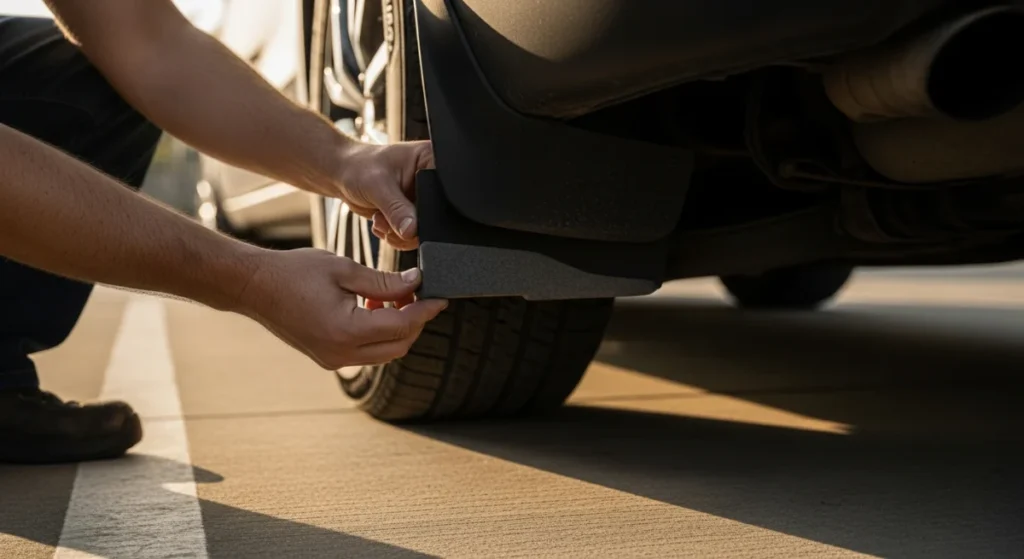
- Position the Mud Flap: Align the mud flap with the fender or wheel well. Use a measuring tape to ensure proper placement and even spacing.
- Drill Pilot Holes: If necessary, use a drill to create pilot holes for the mounting screws or bolts. Be careful not to damage the vehicle’s body.
- Secure the Mud Flap: Use the provided hardware to securely attach the mud flap. Tighten the screws or bolts firmly, but avoid over-tightening, which can damage the mud flap or the vehicle’s body.
- Repeat for Other Wheels: Repeat the process for the remaining wheels.
Important Considerations
- Clearance: Ensure that the mud flaps do not interfere with the tires or suspension components.
- Alignment: Check that the mud flaps are properly aligned and positioned.
- Professional Installation: If you are unsure about any aspect of the installation process, consult a professional mechanic.
Maintenance and Care
Proper maintenance and care will extend the life of your mud flaps and ensure that they continue to perform effectively.
Regular Cleaning
- Wash the mud flaps regularly with soap and water to remove dirt, mud, and road debris.
- Use a soft brush or sponge to avoid scratching the surface.
- Rinse thoroughly with clean water.
Inspection
- Inspect the mud flaps regularly for signs of damage, such as cracks, tears, or loose mounting hardware.
- Replace damaged mud flaps promptly to prevent further damage to your vehicle.
- Check the mounting hardware for corrosion and replace as needed.
Protecting the Material
- Apply a protectant designed for rubber or plastic to help prevent fading and cracking.
- Avoid exposing the mud flaps to harsh chemicals or solvents.
- Store spare mud flaps in a cool, dry place to prevent deterioration.
Top Buying Factors
Choosing the right mud flaps for your vehicle and driving conditions requires careful consideration of several factors.
- Vehicle Type: The type of vehicle (car, truck, SUV) will influence the size and style of mud flaps that are appropriate.
- Tire Size: Wider tires require wider mud flaps for adequate coverage.
- Driving Conditions: If you frequently drive on unpaved roads or in areas with heavy rain or snow, choose mud flaps that are durable and provide maximum protection.
- Material: Consider the pros and cons of different materials (rubber, thermoplastic, composite) based on your needs and budget.
- Aesthetics: Choose mud flaps that complement the appearance of your vehicle.
- Price: Mud flaps range in price from inexpensive to premium. Set a budget and choose the best quality mud flaps within your price range.
- Brand Reputation: Research different brands and read reviews to find mud flaps that are known for quality and durability.
- Warranty: Look for mud flaps that come with a warranty to protect against defects.
Essential FAQ Section
Q1: Are mud flaps legally required?
A: The legal requirements for mud flaps vary by jurisdiction. It’s crucial to check your local regulations to ensure compliance, especially if you operate a commercial vehicle.
Q2: Can I install mud flaps myself?
A: Yes, most mud flaps are designed for DIY installation. However, if you’re not comfortable with drilling or using tools, professional installation is recommended.
Q3: What material is best for mud flaps in rainy climates?
A: Rubber and thermoplastic are both good choices. Rubber offers excellent flexibility and impact resistance, while thermoplastic is durable and resistant to chemicals. Composite materials offer a balance of both. Consider the severity of the climate and your budget when making a decision.
Q4: How often should I clean my mud flaps?
A: Clean your mud flaps regularly, ideally after each exposure to heavy mud or road salt. At a minimum, clean them monthly as part of your regular vehicle washing routine.
Q5: How do I know what size mud flaps to buy?
A: Measure the width of your tires and consult the mud flap manufacturer’s sizing guide. Choose mud flaps that are wide enough to provide adequate coverage and prevent spray.
Conclusion
Mud flaps are an essential accessory for any vehicle, especially in rainy climates. By reducing spray, protecting your vehicle, and enhancing visibility, they contribute to safer driving conditions and extend the life of your vehicle. By understanding the benefits, key features, installation process, and maintenance requirements of mud flaps, you can make an informed decision and choose the right product for your needs. So, invest in a quality set of mud flaps and enjoy a safer, cleaner, and more enjoyable driving experience, rain or shine!