Navigating the world of cargo hauling can be a daunting task. Are you planning a road trip, moving, or simply need to transport bulky items? You’re likely weighing your options: roof racks or trailers. Both offer solutions for increasing your vehicle’s carrying capacity, but understanding their differences, advantages, and disadvantages is crucial for making the right choice. Let’s dive into a comprehensive comparison to help you decide which option best suits your needs.
Roof Racks: Elevate Your Cargo Capacity
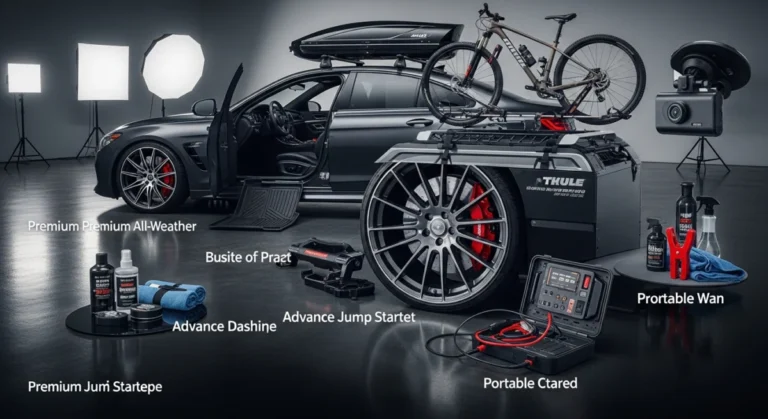
Roof racks provide a platform for carrying cargo on the roof of your vehicle. They are a versatile solution for transporting items that don’t fit inside the car, such as luggage, bicycles, kayaks, or even building materials.
What is a Roof Rack / How it Works
A roof rack system typically consists of two main components: towers (also known as feet or bases) and crossbars. The towers attach to specific points on your vehicle’s roof, which may be existing mounting points, roof rails, or directly to the roof itself. The crossbars then connect to the towers, creating a horizontal platform for securing your cargo.
There are different types of roof racks available, each designed for specific vehicles and needs:
- Factory-installed roof rails: These are already present on some vehicles and provide a convenient base for attaching crossbars.
- Fixed point roof racks: These attach to pre-existing mounting points hidden under small flaps on the roof.
- Rain gutter roof racks: These clamp onto the rain gutters found on older vehicles.
- Naked roof racks: These attach directly to the roof using a specialized clamping system.
Once the roof rack is installed, you can use various accessories, such as cargo boxes, bike carriers, kayak carriers, and tie-down straps, to secure your gear.
Benefits and Key Features
- Increased Cargo Capacity: Frees up interior space for passengers and comfort.
- Versatility: Can be used to carry a wide range of items with the right accessories.
- Improved Fuel Efficiency (compared to trailers): Less aerodynamic drag when properly loaded.
- Easier Maneuverability: No extra length or width to worry about when driving or parking.
- Security: Many roof rack accessories can be locked to prevent theft.
Installation Tips
- Read the Instructions Carefully: Always follow the manufacturer’s instructions for your specific roof rack model and vehicle.
- Use the Right Tools: Ensure you have the correct tools for installation, such as a torque wrench, to avoid damaging the roof or over-tightening bolts.
- Protect Your Vehicle’s Paint: Use masking tape or a protective film to prevent scratches during installation.
- Double-Check the Fit: Before tightening all the bolts, make sure the roof rack is properly aligned and sits flush with the roof.
- Consult a Professional: If you’re unsure about any aspect of the installation, consult a professional installer.
Maintenance and Care
- Regular Cleaning: Wash the roof rack regularly with soap and water to remove dirt, debris, and road salt.
- Check for Loose Bolts: Periodically inspect the bolts and fasteners to ensure they are tight.
- Inspect for Damage: Check for any signs of rust, corrosion, or damage to the roof rack components.
- Lubricate Moving Parts: Lubricate any moving parts, such as locks and hinges, with a suitable lubricant.
- Remove When Not in Use: If you’re not using the roof rack, consider removing it to reduce wind noise and improve fuel efficiency.
Top Buying Factors
- Vehicle Compatibility: Ensure the roof rack is specifically designed for your vehicle’s make, model, and year.
- Load Capacity: Choose a roof rack with a load capacity that meets your needs. Consider both the static load capacity (when the vehicle is stationary) and the dynamic load capacity (when the vehicle is in motion).
- Type of Cargo: Consider the type of cargo you’ll be carrying. Some roof racks are better suited for certain items, such as bikes or kayaks.
- Material and Construction: Look for a roof rack made from durable materials, such as aluminum or steel, that can withstand the elements.
- Ease of Installation: Choose a roof rack that is easy to install and remove.
- Price: Roof racks vary in price, so set a budget and compare different options.
Trailers: The Ultimate Hauling Solution
Trailers are unpowered vehicles towed behind a powered vehicle. They offer significantly more cargo space than roof racks and are ideal for hauling large, heavy items such as furniture, appliances, construction materials, or recreational vehicles.
What is a Trailer / How it Works
A trailer connects to your vehicle via a tow hitch. The tow hitch is installed on the rear of your vehicle and includes a hitch receiver, a ball mount, and a trailer ball. The trailer’s coupler attaches to the trailer ball, allowing the vehicle to pull the trailer.
Trailers come in various types and sizes:
- Utility trailers: Open trailers suitable for hauling a variety of items.
- Enclosed trailers: Trailers with walls and a roof, providing protection from the elements.
- Boat trailers: Designed specifically for transporting boats.
- Car trailers: Used to transport cars or other vehicles.
- Travel trailers: Mobile homes used for recreational purposes.
Trailers typically have their own set of wheels, suspension, and lights. The trailer’s lights connect to the towing vehicle’s electrical system, providing brake lights, turn signals, and running lights.
Benefits and Key Features
- Maximum Cargo Capacity: Significantly more cargo space than roof racks.
- Heavy-Duty Hauling: Can handle heavier loads than roof racks.
- Weather Protection (Enclosed Trailers): Protects cargo from the elements.
- Specialized Options: Available in various types designed for specific purposes.
- Versatile Use: Can be used for a wide range of hauling tasks.
Installation Tips (Tow Hitch)
- Check Vehicle Towing Capacity: Consult your vehicle’s owner’s manual to determine its maximum towing capacity. Exceeding this limit can damage your vehicle and is unsafe.
- Choose the Right Hitch: Select a tow hitch that is rated for the weight of the trailer you plan to tow. Hitches are classified by their weight capacity (Class I, Class II, Class III, Class IV, Class V).
- Follow Installation Instructions: Carefully follow the tow hitch manufacturer’s instructions.
- Wiring Harness Installation: Install a wiring harness to connect the trailer’s lights to your vehicle’s electrical system.
- Safety Chains: Always use safety chains to connect the trailer to your vehicle in case the coupler fails.
- Professional Installation: If you’re not comfortable installing a tow hitch yourself, have it installed by a professional.
Maintenance and Care
- Regular Cleaning: Wash the trailer regularly to remove dirt, debris, and road salt.
- Check Tire Pressure: Maintain the proper tire pressure in the trailer’s tires.
- Inspect Tires: Check the tires for wear and tear, and replace them when necessary.
- Lubricate Bearings: Regularly lubricate the wheel bearings to prevent damage and ensure smooth operation.
- Inspect Lights: Check the trailer’s lights to ensure they are working properly.
- Check Brakes (if equipped): If the trailer has brakes, inspect them regularly and have them serviced as needed.
Top Buying Factors
- Towing Capacity: Ensure your vehicle has sufficient towing capacity for the trailer you want to buy.
- Trailer Type: Choose a trailer that is suitable for the type of cargo you’ll be hauling.
- Trailer Size: Consider the size of the trailer and ensure it is appropriate for your needs.
- Trailer Weight: Factor in the weight of the trailer when calculating the total weight you’ll be towing.
- Braking System: Consider a trailer with brakes if you plan to haul heavy loads.
- Quality and Construction: Look for a trailer made from durable materials and with solid construction.
- Price: Trailers vary in price, so set a budget and compare different options.
Essential FAQ
- Q: Which is more fuel-efficient, a roof rack or a trailer?
A: A roof rack, when properly loaded and aerodynamic, generally has less impact on fuel efficiency than a trailer due to reduced drag. However, an empty roof rack can also create drag.
- Q: Can I install a roof rack or tow hitch myself?
A: Both roof racks and tow hitches can be installed yourself, but it’s crucial to follow the manufacturer’s instructions carefully. If you’re unsure, professional installation is recommended.
- Q: What is the maximum weight I can carry on my roof rack?
A: The maximum weight capacity varies depending on the roof rack and your vehicle. Refer to the manufacturer’s specifications for both.
- Q: Do I need special licensing to tow a trailer?
A: Some states require a special license or endorsement to tow trailers over a certain weight. Check your local regulations.
- Q: Are there any safety precautions I should take when using a roof rack or trailer?
A: Always secure your cargo properly, distribute weight evenly, and drive cautiously. Regularly inspect your equipment and follow all traffic laws.
Conclusion
Choosing between a roof rack and a trailer depends entirely on your individual needs and circumstances. If you need occasional extra space for lighter items and prioritize maneuverability and fuel efficiency, a roof rack is likely the better choice. If you regularly haul large, heavy loads and need maximum cargo capacity, a trailer is the more suitable option. Consider your budget, vehicle’s capabilities, and the type of cargo you typically transport to make the most informed decision. Carefully weigh the pros and cons outlined above to select the hauling solution that best fits your lifestyle and gets you and your gear safely to your destination.