Sedan Roof Racks: Your Comprehensive Guide to Hauling More
Have you ever looked at your sedan and thought, “I wish I could carry my kayak/bikes/luggage on top of this?” You’re not alone. Sedans, while practical and efficient, often lack the cargo space needed for adventurous lifestyles or family vacations. According to recent data, the sedan roof rack market is experiencing significant growth, driven by the increasing popularity of outdoor activities and the demand for versatile transportation solutions. This guide provides everything you need to know about sedan roof racks, empowering you to make an informed decision and maximize your vehicle’s carrying capacity.
What is a Sedan Roof Rack and How Does it Work?
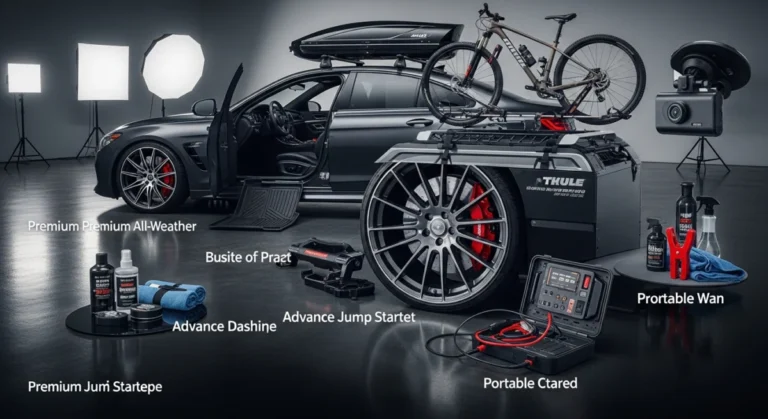
A sedan roof rack is a system designed to securely attach cargo to the roof of your sedan. It typically consists of two or more crossbars that span the width of the roof, supported by towers or feet that attach to specific points on the vehicle. These attachment points vary depending on your car’s design, ranging from pre-existing mounting points under trim panels to the door frame itself.
Think of it as a platform. The crossbars provide the horizontal surface for securing your gear, while the towers provide the necessary height and stability. Different types of roof racks cater to various needs and vehicle models:
Types of Sedan Roof Racks
- Naked Roof Racks: These racks are designed for vehicles *without* factory-installed rails or mounting points. They typically use door frame attachments, clamping securely to the car’s door openings. These are a common choice for many sedans.
- Fixed Point Roof Racks: Some sedans have specific, hidden mounting points under plastic trim pieces on the roof. These racks utilize those points for a cleaner, more integrated look. Installation usually involves removing the trim and bolting the rack directly to the car’s frame.
- Factory Rail Roof Racks (Less Common on Sedans): While less typical on sedans compared to SUVs and wagons, some may have factory-installed rails running lengthwise along the roof. These racks utilize towers designed to clamp or bolt directly to these rails.
- Track System Roof Racks: Similar to factory rails, but instead of fixed rails, there are channels embedded in the roof that accept adjustable mounting points.
The system works by distributing the weight of the cargo across the roof structure, preventing damage to the vehicle. The crossbars must be strong enough to handle the intended load, and the towers must be securely attached to the car to prevent shifting or detachment.
Benefits and Key Features of Sedan Roof Racks
Installing a roof rack on your sedan offers a multitude of advantages:
- Increased Cargo Capacity: This is the primary benefit! Free up valuable interior space by moving bulky items like luggage, camping gear, or sports equipment to the roof.
- Versatility: Roof racks open up possibilities for transporting a wide range of items that wouldn’t normally fit inside a sedan, including bikes, kayaks, canoes, skis, snowboards, and even ladders.
- Protection of Vehicle Interior: Keeping dirty or wet gear on the roof prevents damage and keeps your car’s interior clean.
- Improved Comfort: Fewer items inside the car lead to a more comfortable and spacious ride for passengers.
- Aerodynamics: Some roof rack designs prioritize aerodynamics, minimizing wind resistance and noise. Look for racks with streamlined profiles and fairings.
- Aesthetics: Some consider roof racks a stylish addition, giving a more rugged or adventurous look to their sedan.
Key features to consider include:
- Load Capacity: Ensure the roof rack has a sufficient weight limit for your intended cargo. Exceeding the limit can damage the rack and your vehicle.
- Crossbar Type: Round, square, or aerodynamic bars. Aerodynamic bars are quieter and more fuel-efficient.
- Material: Aluminum is lightweight, strong, and rust-resistant. Steel is more durable but heavier.
- Locking Mechanisms: Some racks include locking features to deter theft of the rack itself and the cargo attached to it.
- Compatibility: Verify that the rack is specifically designed for your sedan’s make, model, and year.
- Ease of Installation: Consider how easy the rack is to install and remove, especially if you plan to use it only occasionally.
- Noise Reduction: Some models have features like wind fairings or aerodynamic crossbars that significantly reduce wind noise.
Installation Tips for Sedan Roof Racks
Installation can vary depending on the type of roof rack and your vehicle. *Always* consult the manufacturer’s instructions for your specific model. However, here are some general tips:
- Read the Instructions Carefully: This is the most important step. Understand each step before proceeding.
- Gather Your Tools: Ensure you have all the necessary tools, such as wrenches, screwdrivers, and torque wrenches.
- Protect Your Car’s Finish: Use masking tape or a protective film to prevent scratches to the roof and door frames during installation.
- Clean the Attachment Points: Thoroughly clean the areas where the rack will attach to remove dirt and debris.
- Properly Torque the Bolts: Use a torque wrench to tighten the bolts to the manufacturer’s specified torque settings. Overtightening can damage the rack or your vehicle.
- Test the Rack’s Stability: Once installed, firmly shake the rack to ensure it is securely attached.
- Even Weight Distribution: Distribute weight evenly across the crossbars to prevent overloading specific areas.
Important Safety Note: Improper installation can lead to the rack detaching while driving, causing serious accidents. If you are unsure about installing the rack yourself, have it professionally installed.
Maintenance and Care of Sedan Roof Racks
Proper maintenance will extend the lifespan of your roof rack and ensure its continued safe operation:
- Regular Cleaning: Wash the rack regularly with soap and water to remove dirt, road grime, and salt.
- Inspect for Damage: Periodically inspect the rack for cracks, rust, or loose parts. Replace any damaged components immediately.
- Tighten Bolts: Check the tightness of the bolts regularly, especially after long trips or carrying heavy loads.
- Lubricate Moving Parts: Apply a lubricant to any moving parts, such as hinges or locks, to keep them functioning smoothly.
- Remove When Not in Use (Optional): Removing the rack when not in use can improve fuel economy and reduce wind noise. However, factor in the installation ease and frequency of use when making this decision.
- UV Protection: Apply a UV protectant to prevent the plastic components from becoming brittle and cracking from sun exposure.
- Storage: Store the rack in a dry place when not in use to prevent rust and corrosion.
Top Buying Factors for Sedan Roof Racks
Choosing the right roof rack involves several factors. Here’s a breakdown of the most important considerations:
- Vehicle Compatibility: The rack *must* be compatible with your sedan’s make, model, and year. Use online fit guides or consult with a professional.
- Load Capacity: Calculate the total weight of the gear you plan to carry and choose a rack with a sufficient load capacity. Remember to factor in the weight of the rack itself.
- Type of Gear: Consider the type of gear you’ll be carrying. Bike racks, kayak carriers, and luggage carriers have different requirements.
- Crossbar Shape and Material: Choose crossbars that are compatible with your accessories and made from durable materials. Aerodynamic bars reduce wind noise and improve fuel economy.
- Attachment Method: Determine the best attachment method based on your vehicle’s roof type. Naked roof racks, fixed point racks, or factory rail racks all require different mounting systems.
- Ease of Installation and Removal: Consider how easy the rack is to install and remove, especially if you plan to use it only occasionally.
- Security: Choose a rack with locking features to deter theft of the rack and your gear.
- Price: Roof racks range in price from affordable to premium. Set a budget and compare different models within your price range.
- Brand Reputation: Opt for a reputable brand known for quality and reliability. Thule, Yakima, Rhino-Rack, and Inno are well-known brands in the roof rack industry.
- Customer Reviews: Read online customer reviews to get insights into the rack’s performance, durability, and ease of use.
Essential FAQs About Sedan Roof Racks
Here are some frequently asked questions about sedan roof racks:
1. Will a roof rack damage my car’s roof? Properly installed and maintained roof racks are designed to minimize the risk of damage. However, improper installation, overloading, or using a rack not specifically designed for your vehicle can cause scratches, dents, or even more serious damage. Using protective padding and following the manufacturer’s instructions are crucial. 2. How much weight can a sedan roof rack carry? The maximum weight capacity varies depending on the rack and your vehicle. Consult the manufacturer’s specifications for both the rack and your car. Never exceed the lowest weight rating between the two. 3. Does a roof rack affect fuel economy? Yes, a roof rack can negatively impact fuel economy by increasing wind resistance. The effect is more pronounced with heavier loads and at higher speeds. Aerodynamic roof racks can help minimize this impact. 4. Can I install a roof rack myself, or should I hire a professional? If you are comfortable with basic tools and follow instructions carefully, you can often install a roof rack yourself. However, if you are unsure or lack experience, it’s best to have it professionally installed to ensure safety and prevent damage. 5. What type of roof rack is best for my sedan? The best type depends on your vehicle’s roof type, the type of gear you plan to carry, and your budget. Naked roof racks are common for sedans without existing mounting points.
Conclusion
Investing in a sedan roof rack can significantly enhance your vehicle’s versatility and expand its carrying capacity. By understanding the different types of racks, key features, installation tips, and maintenance requirements, you can choose the right rack for your needs and enjoy years of reliable performance. Remember to prioritize safety and always follow the manufacturer’s instructions. With a well-chosen and properly installed roof rack, your sedan can become a true adventure companion.