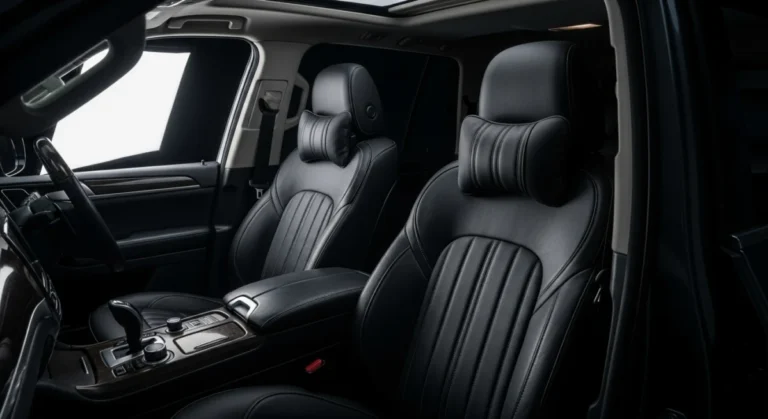
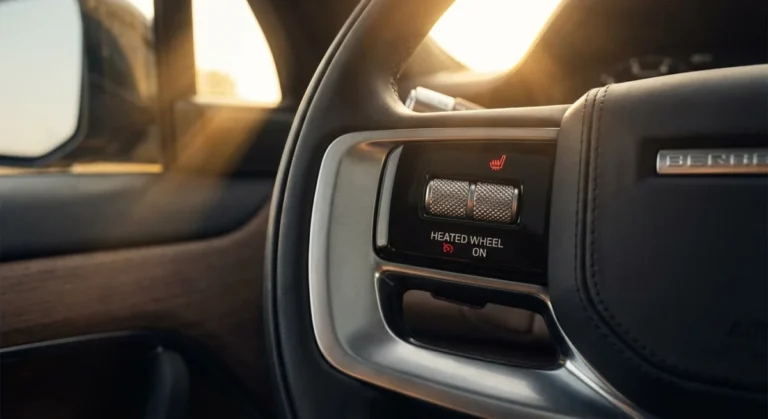
Imagine hopping into your car on a scorching summer day. You reach for the steering wheel, and BAM! A searing heat wave assaults your hands. It’s an all-too-familiar scenario for many drivers. The sun relentlessly beats down, turning your car’s interior into an oven, and the steering wheel often becomes the prime victim. In fact, studies show that steering wheels can reach temperatures exceeding 150°F (65°C) in direct sunlight! This isn’t just uncomfortable; it can actually be dangerous, causing burns and impairing your ability to safely operate the vehicle. Fortunately, there’s a solution: steering wheel heat protection. This guide will delve into everything you need to know about keeping your steering wheel cool, comfortable, and safe.
What is Steering Wheel Heat Protection and How Does it Work?
Steering wheel heat protection encompasses a variety of methods and products designed to reduce the amount of heat absorbed by your steering wheel. The primary goal is to keep the surface temperature manageable, preventing discomfort and potential burns. These solutions work by utilizing different principles:
Reflective Barriers
One of the most common approaches involves using reflective materials, typically aluminum foil or a specialized heat-reflective fabric. These materials work by bouncing sunlight away from the steering wheel, preventing it from being absorbed and converted into heat. Think of it like a miniature sun shield specifically for your steering wheel. These are usually offered as covers, screens, or visors that are temporarily placed when parked.
Insulating Materials
Another strategy is to use insulating materials. Insulation slows down the transfer of heat, creating a barrier between the sun’s rays and the steering wheel’s surface. This can be achieved through padded steering wheel covers made of materials like neoprene, thick fabrics, or even specially designed polymers. These covers absorb some heat but also slow its conduction to the wheel itself.
Ventilation
While less common, some advanced systems might incorporate ventilation. This could involve a small, solar-powered fan that circulates air around the steering wheel, preventing heat from building up. These solutions tend to be more expensive and require a power source, although some are truly self-sufficient.
Material Choice Matters
The material your steering wheel is made of plays a big role in how much heat it absorbs. Leather, for example, tends to absorb more heat than plastic or wood. Understanding your steering wheel’s material will help you choose the most effective protection method.
Benefits and Key Features of Steering Wheel Heat Protection
Investing in steering wheel heat protection offers a range of advantages beyond simply avoiding a scorching touch:
- Enhanced Comfort: The most obvious benefit is a more comfortable driving experience, especially during hot weather. No more wincing and fumbling as you grab the wheel.
- Improved Safety: A cool steering wheel ensures a secure grip and prevents distractions caused by discomfort. This leads to safer driving conditions.
- Protection for Steering Wheel Material: Excessive heat can damage the steering wheel’s surface, causing cracking, fading, and premature wear, especially on leather. Protection can help prolong the life of your steering wheel.
- Prevention of Burns: Direct contact with an extremely hot steering wheel can result in burns. Protection eliminates this risk.
- Reduced Cabin Temperature: Although focused on the wheel, many solutions like windshield shades reflect heat and contribute to a cooler overall cabin temperature, reducing the strain on your AC.
Key features to look for in steering wheel heat protection products include:
- Reflectivity: For reflective covers, look for a high reflectivity rating to ensure maximum sunlight deflection.
- Insulation: For insulating covers, consider the thickness and material of the padding. Thicker, higher-quality materials offer better insulation.
- Fit: Ensure the cover or protector fits your steering wheel snugly. A loose fit can reduce effectiveness and create a safety hazard.
- Durability: Choose products made from durable materials that can withstand repeated use and exposure to sunlight. UV resistance is a huge plus.
- Ease of Use: Opt for products that are easy to install and remove, especially if you need to use them frequently.
- Material Quality: The material should not only provide insulation and reflection, but also be skin-friendly and odorless, even at high temperatures.
Installation Tips for Steering Wheel Heat Protection
The installation process varies depending on the type of steering wheel heat protection you choose. Here are some general tips:
Steering Wheel Covers
- Choose the Right Size: Measure your steering wheel diameter before purchasing a cover to ensure a proper fit.
- Stretch and Secure: Start by positioning the cover at the top of the wheel and gradually stretch it down and around, ensuring it’s securely in place. Some covers may require a bit of effort to stretch into position.
- Check for Slippage: After installation, test the cover to make sure it doesn’t slip or rotate on the wheel. If it does, readjust or consider a different product.
Reflective Shields/Visors
- Proper Placement: Place the shield or visor so that it completely covers the steering wheel, blocking direct sunlight.
- Secure Attachment: Ensure the shield or visor is securely attached to prevent it from falling down while driving (if left in place unintentionally). Some use suction cups, others tuck into the dash.
- Remove Before Driving: Remember to remove the shield before starting your car and driving.
Sun Shades
- Maximize Coverage: Position the sun shade to cover as much of the windshield as possible, reducing the amount of sunlight entering the cabin.
- Secure with Visors: Use your car’s sun visors to hold the shade in place.
Maintenance and Care
Proper maintenance and care will extend the life of your steering wheel heat protection and ensure it continues to perform effectively.
- Cleaning: Regularly clean your steering wheel cover with a mild soap and water solution. Avoid harsh chemicals that can damage the material.
- Storage: When not in use, store your cover or shield in a cool, dry place away from direct sunlight.
- Inspection: Periodically inspect your cover or shield for signs of wear and tear. Replace it if you notice any damage that could compromise its effectiveness or safety.
- Material Specific Care: Follow the manufacturer’s instructions for cleaning and caring for your specific type of steering wheel protection.
Top Buying Factors: Choosing the Right Protection
Selecting the right steering wheel heat protection requires careful consideration of several factors:
- Budget: Prices range from affordable reflective shields to more expensive, custom-fitted covers. Determine your budget before you start shopping.
- Climate: If you live in a very hot climate, you’ll need more robust protection than someone in a milder area.
- Personal Preference: Some people prefer the look and feel of a steering wheel cover, while others prefer the convenience of a reflective shield.
- Steering Wheel Material: As mentioned earlier, the material of your steering wheel influences heat absorption. Choose a protector that’s appropriate for your wheel.
- Vehicle Type: Consider the size and shape of your car’s interior when choosing a sun shade or reflective shield.
- Ease of Use and Storage: Think about how often you’ll be using the protection and how easy it is to install, remove, and store. If it’s a hassle, you’re less likely to use it.
- Aesthetics: Some people want their steering wheel protection to blend in seamlessly with their car’s interior. Choose a product that matches your personal style.
- UV Protection: Look for products with UV protection to prevent fading and damage to your steering wheel’s material.
Essential FAQs
Here are some frequently asked questions about steering wheel heat protection:
1. Will a steering wheel cover really make a difference? Yes, a good quality cover, especially one made of reflective or insulating material, can significantly reduce the temperature of your steering wheel. 2. Are all steering wheel covers universal? No. While some are designed to fit a wide range of steering wheel sizes, it’s crucial to check the diameter of your wheel and choose a cover that fits properly for optimal effectiveness and safety. 3. Can I leave a reflective sun shield on while driving? No. Reflective sun shields are designed for use when the car is parked. They obstruct your vision and pose a serious safety hazard if left in place while driving. 4. How do I clean a steering wheel cover? Most covers can be cleaned with a mild soap and water solution. Avoid harsh chemicals or abrasive cleaners. Always refer to the manufacturer’s instructions for specific cleaning recommendations. 5. Are there any steering wheel covers that are also heated? Yes, heated steering wheel covers are available, but they serve the opposite purpose. They are designed to warm your hands in cold weather, not to protect against heat.
Conclusion
Steering wheel heat protection is an essential investment for anyone who wants to ensure a comfortable, safe, and enjoyable driving experience, especially in hot climates. By understanding the different types of protection available, their benefits, and key buying factors, you can choose the right solution to keep your steering wheel cool and protect it from the damaging effects of the sun. Don’t let a scorching steering wheel ruin your drive! Take proactive steps to protect it and enjoy the ride.