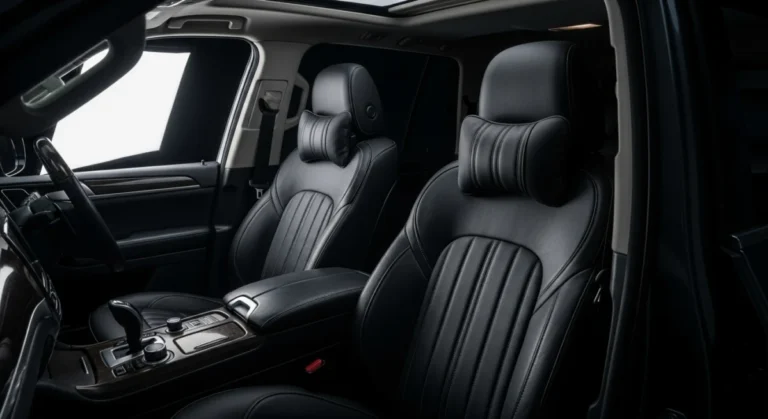
So, you’re thinking about seat covers, especially if you’ve got leather seats, huh? Smart move. Whether you’re trying to protect your investment, refresh a tired interior, or simply personalize your ride, seat covers are a fantastic option. But with so many choices, navigating the market can feel like driving through a blizzard. Don’t worry, I’m here to guide you. According to recent surveys, over 60% of car owners consider seat covers for protection and aesthetics. This guide will equip you with everything you need to know about seat covers and leather seats, ensuring you make an informed decision that enhances both your vehicle’s longevity and your driving experience.
Understanding Seat Covers and Leather Seats
Let’s start with the basics. What exactly *are* we talking about, and how do they interact?
What Are Seat Covers?
Seat covers are protective layers designed to fit over your existing car seats. They act as a barrier against spills, stains, wear and tear, and even UV damage. Think of them as a shield for your seats, preserving their condition and potentially increasing your car’s resale value. They come in a vast array of materials, colors, and styles, offering a way to personalize your car’s interior without permanently altering it.
How Do Seat Covers Work?
Seat covers work by providing a physical barrier between the seat and the outside world. They are typically installed by stretching the cover over the seat and securing it with straps, hooks, or elastic. The best covers are designed for a snug, custom-like fit, minimizing movement and maximizing protection. The choice of material determines the level of protection, comfort, and aesthetic appeal.
What About Leather Seats?
Leather seats are a premium feature in many vehicles, prized for their luxurious feel, elegant appearance, and durability (when properly cared for). However, leather is susceptible to damage from sunlight, spills, cracking, and general wear. Replacing leather seats can be incredibly expensive, making preventative measures like seat covers a wise investment. It’s crucial to use the correct type of covers on leather to prevent accelerated wear.
Benefits and Key Features of Seat Covers for Leather Seats
Why should you consider seat covers for your leather thrones? Here’s a breakdown of the advantages:
Protection and Preservation
Shields leather from spills, stains, dirt, pet hair, and UV rays. Prevents cracking, fading, and wear, extending the lifespan of your leather seats. Maintains the value of your vehicle by keeping the interior in pristine condition.
Comfort and Customization
Adds a layer of comfort, especially beneficial for long drives. Allows you to personalize your car’s interior to reflect your style. Offers a wide range of materials, colors, and patterns to choose from.
Ease of Cleaning and Maintenance
Seat covers are generally easier to clean than leather itself. Many seat covers are machine washable or can be easily wiped down. Protects against odors that can permeate leather.
Key Features to Look For
- Material: Choose materials like neoprene, canvas, or leatherette (synthetic leather) for durability and water resistance. Consider breathable fabrics like cotton blends for comfort.
- Fit: Opt for custom-fit or universal-fit covers that provide a snug, wrinkle-free appearance.
- Water Resistance/Proofing: Important for those prone to spills or living in wet climates.
- UV Protection: Prevents fading and cracking of both the seat cover and the underlying leather.
- Easy Installation: Look for covers with user-friendly installation systems (straps, buckles, elastic).
- Airbag Compatibility: Crucial safety feature. Ensure the covers are designed to not interfere with airbag deployment.
- Non-Slip Backing: Prevents the cover from sliding around, enhancing comfort and safety.
Installation Tips for Seat Covers on Leather Seats
Installing seat covers doesn’t have to be a headache. Here are some tips for a smooth process:
Preparation is Key
Clean your leather seats thoroughly *before* installing the covers. Use a leather cleaner and conditioner to remove dirt and protect the leather. Gather all the necessary tools (if any) and read the installation instructions carefully. Ensure you have enough space to work comfortably around the vehicle.
Step-by-Step Installation
1. Start with the bottom seat cushion, carefully stretching the cover over the seat and securing it with the provided straps or hooks. 2. Pay close attention to the seams and contours of the seat, ensuring a snug fit. 3. Repeat the process for the seat back, making sure the cover is properly aligned. 4. Adjust the straps and hooks as needed to achieve a secure and wrinkle-free fit. 5. If the cover has headrest covers, install them last.
Important Considerations
Avoid pulling too hard on the straps, as this could damage the cover or the seat. Double-check for airbag compatibility, ensuring the covers do not obstruct airbag deployment. If you’re struggling with the installation, consult a professional auto upholstery installer.
Maintenance and Care for Seat Covers and Leather Seats
Maintaining both your seat covers and leather seats is crucial for longevity.
Cleaning Seat Covers
- Fabric Covers: Most fabric covers can be machine washed on a gentle cycle with mild detergent. Air dry them to prevent shrinkage.
- Neoprene Covers: Hand wash with mild soap and water. Air dry completely.
- Leatherette Covers: Wipe down with a damp cloth and mild cleaner. Avoid harsh chemicals or abrasive cleaners.
Caring for Leather Seats Underneath
- Regularly clean your leather seats with a dedicated leather cleaner to remove dirt and grime.
- Condition your leather seats every few months to keep them supple and prevent cracking.
- Park your car in the shade or use a sunshade to minimize UV exposure.
General Maintenance Tips
- Vacuum your seat covers regularly to remove loose dirt and debris.
- Address spills immediately to prevent staining.
- Inspect the covers periodically for wear and tear, and repair or replace them as needed.
Top Buying Factors for Seat Covers
Choosing the right seat covers involves careful consideration. Here’s what to keep in mind:
Budget
Determine your budget and research covers within that range. Price often reflects material quality and features. Remember, investing in quality covers can save you money in the long run by protecting your leather seats.
Material
Select a material that suits your lifestyle and needs. Consider factors like durability, comfort, water resistance, and aesthetic appeal.
Fit
Prioritize a snug, custom-like fit. Ill-fitting covers can be uncomfortable, distracting, and even unsafe.
Features
Look for features that are important to you, such as water resistance, UV protection, airbag compatibility, and easy installation.
Reviews and Ratings
Read online reviews and ratings from other customers to get an idea of the product’s quality and performance.
Brand Reputation
Choose reputable brands known for producing high-quality seat covers.
Essential FAQs about Seat Covers and Leather Seats
Let’s tackle some common questions.
Q: Will seat covers damage my leather seats?
A: Not if you choose the right covers and maintain them properly. Avoid abrasive materials or covers that trap moisture. Clean your leather seats regularly under the covers.
Q: Are universal-fit seat covers a good option for leather seats?
A: Universal-fit covers can work, but custom-fit covers are generally better because they provide a snugger, more secure fit, minimizing friction and potential damage to the leather.
Q: How often should I clean my leather seats under the seat covers?
A: At least every 3-6 months, or more frequently if you notice any spills or stains.
Q: Can seat covers affect the resale value of my car?
A: Yes, positively! By protecting your original leather seats, seat covers can help maintain or even increase your car’s resale value.
Q: Are there seat covers specifically designed for heated leather seats?
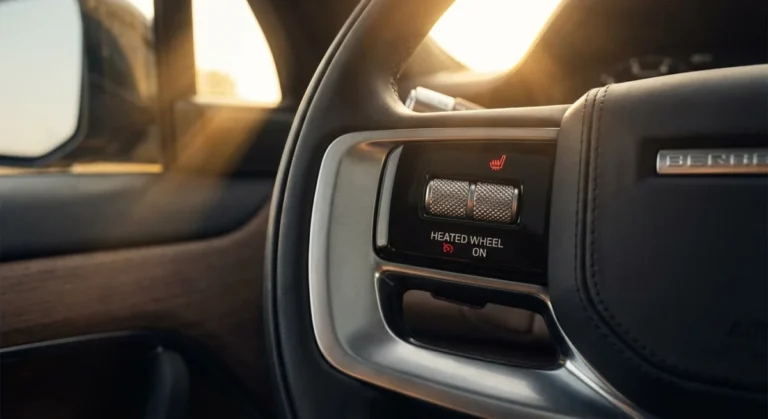
A: Yes, some seat covers are designed to be compatible with heated seats. Look for covers made from breathable materials that allow heat to transfer through.
Conclusion
Choosing the right seat covers for your leather seats is an investment in your vehicle’s longevity, comfort, and style. By understanding the benefits, key features, installation tips, and maintenance requirements, you can make an informed decision that protects your investment and enhances your driving experience. So, take your time, do your research, and enjoy the peace of mind that comes with knowing your leather seats are well-protected. Happy driving!