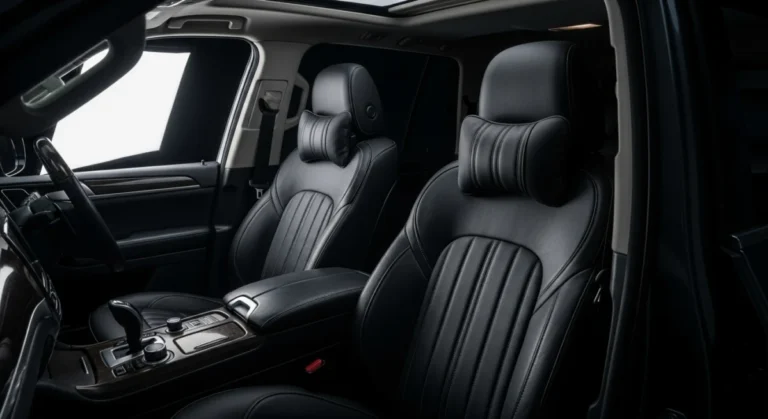
Seat covers: Safeguarding your seats and your car’s future value. Believe it or not, that simple piece of fabric (or leatherette, or neoprene) draped over your car seat can significantly impact your vehicle’s resale value. Studies show that cars with well-maintained interiors fetch, on average, 10-15% higher prices than those with worn or damaged upholstery. That’s thousands of dollars on a typical used car sale. This guide explores everything you need to know about seat covers, helping you choose the right ones, install them correctly, maintain them properly, and ultimately, protect your car’s value. Let’s dive in!
The Seat Cover Advantage: Protecting Your Investment
What are Seat Covers and How Do They Work?
Seat covers are protective layers of material designed to fit over your car’s existing upholstery. They act as a barrier against spills, stains, dirt, wear and tear, and even UV damage. Think of them as a shield for your seats, preserving their original condition. They come in a wide variety of materials, styles, and designs, from simple universal-fit options to custom-made covers tailored specifically to your vehicle’s make and model. The “how they work” part is straightforward: they physically prevent damage to the underlying seat material. By absorbing the brunt of everyday wear and tear, they keep your original upholstery looking newer for longer.
Benefits and Key Features of Using Seat Covers
Using seat covers offers a multitude of benefits beyond just protecting your seats. Here’s a breakdown of the key advantages:
- Protection from Damage: This is the primary function. Seat covers shield against spills, stains (coffee, soda, pet accidents), dirt, crumbs, fading from sunlight, and general wear and tear caused by friction and abrasion.
- Enhanced Resale Value: As mentioned earlier, well-maintained seats contribute significantly to a car’s overall resale value. By keeping your original upholstery in pristine condition, seat covers can help you command a higher price when you eventually sell or trade in your vehicle.
- Improved Aesthetics: Seat covers can instantly upgrade the look and feel of your car’s interior. Choose from a wide range of colors, patterns, and materials to personalize your driving space and reflect your personal style.
- Ease of Cleaning: Spills and messes are inevitable, especially if you have kids or pets. Seat covers are much easier to clean than the original upholstery. Many are machine washable or can be easily wiped down.
- Increased Comfort: Depending on the material, seat covers can enhance comfort. For example, leather or neoprene covers can provide extra cushioning and support, while breathable fabric covers can help keep you cool in hot weather.
- Pet-Friendly Solutions: If you frequently travel with pets, seat covers are a must. They protect against scratches, shedding, and accidents, making cleanup a breeze. Look for durable, waterproof, and easy-to-clean options specifically designed for pet owners.
- Easy Installation: Most seat covers are designed for easy installation and removal, requiring minimal tools or technical expertise. This allows you to quickly and easily protect your seats whenever needed.
Installation Tips for a Perfect Fit
Proper installation is crucial to ensure that your seat covers fit securely and provide maximum protection. Here are some tips for a smooth installation process:
1. Read the Instructions: Always start by carefully reading the manufacturer’s instructions. Each seat cover set may have specific installation requirements. 2. Clean Your Seats: Before installing the seat covers, thoroughly clean your seats with a vacuum cleaner and upholstery cleaner. This will remove any dirt, dust, or debris that could prevent the covers from fitting properly. 3. Remove Headrests: Most seat covers require you to remove the headrests before installation. This will allow you to slip the covers over the seats more easily. 4. Start with the Bottom Seat: Begin by installing the seat cover on the bottom seat cushion. Carefully align the cover and secure it in place using the provided straps, hooks, or zippers. 5. Install the Backrest Cover: Next, install the seat cover on the backrest. Again, align the cover carefully and secure it in place using the provided fasteners. 6. Reinstall Headrests: Once the seat covers are securely installed, reinstall the headrests. Make sure they are properly aligned and locked in place. 7. Tuck and Tighten: Tuck any loose fabric or straps under the seat cushions for a clean and professional look. Tighten all straps and fasteners to ensure a snug and secure fit. 8. Consider Professional Installation: If you’re unsure about the installation process, consider having your seat covers professionally installed. A professional installer can ensure that the covers are properly fitted and secured, maximizing their effectiveness and longevity. 9. Watch Videos: Many manufacturers offer installation videos on their website or YouTube channel. These videos can provide visual guidance and help you avoid common mistakes.
Maintenance and Care for Long-Lasting Protection
Proper maintenance and care will extend the life of your seat covers and keep them looking their best. Here are some tips for keeping your seat covers in top condition:
- Regular Cleaning: Clean your seat covers regularly to remove dirt, dust, and spills. Vacuum them frequently to prevent the buildup of debris.
- Spot Cleaning: Address spills and stains immediately with a mild soap and water solution. Avoid using harsh chemicals or abrasive cleaners, as these can damage the fabric.
- Machine Washing (if applicable): If your seat covers are machine washable, follow the manufacturer’s instructions for washing and drying. Use a gentle cycle and a mild detergent. Avoid using bleach or fabric softeners.
- Leather Care: If you have leather seat covers, use a leather cleaner and conditioner regularly to keep the leather supple and prevent cracking.
- UV Protection: Park your car in the shade whenever possible to protect your seat covers from fading due to sunlight. You can also use a UV protectant spray to help prevent fading.
- Repair Tears and Damage: If you notice any tears or damage to your seat covers, repair them promptly to prevent further deterioration. Small tears can often be repaired with a needle and thread.
- Rotate Seat Covers (if possible): If you have a set of seat covers that can be easily removed and reinstalled, consider rotating them periodically to distribute wear and tear evenly.
Top Buying Factors: Choosing the Right Seat Covers
With so many options available, choosing the right seat covers can be overwhelming. Here are some key factors to consider when making your purchase:
- Material: Consider the durability, comfort, and ease of cleaning of different materials. Popular options include:
- Fabric: Affordable, comfortable, and breathable. Good for everyday use.
- Leatherette (Synthetic Leather): Durable, water-resistant, and easy to clean. Offers a luxurious look at a lower price than real leather.
- Neoprene: Waterproof, durable, and resistant to wear and tear. Ideal for active lifestyles and pet owners.
- Leather: Luxurious, durable, and comfortable. Requires regular maintenance.
- Fit: Choose seat covers that are specifically designed for your vehicle’s make and model for a perfect fit. Universal-fit covers can work, but may not provide the same level of protection and aesthetics.
- Style and Design: Select seat covers that complement your car’s interior and reflect your personal style. Consider the color, pattern, and overall design.
- Attachment Method: Look for seat covers with secure and easy-to-use attachment methods, such as straps, hooks, zippers, or buckles.
- Water Resistance: If you frequently encounter spills or wet conditions, choose seat covers that are waterproof or water-resistant.
- Durability: Consider the durability of the material and construction. Look for seat covers that are made from high-quality materials and are designed to withstand wear and tear.
- Pet-Friendly Features: If you have pets, look for seat covers that are specifically designed for pet owners, with features such as waterproof materials, scratch resistance, and easy cleaning.
- Budget: Seat covers range in price from affordable to expensive. Set a budget before you start shopping and stick to it.
- Reviews: Read online reviews from other customers to get an idea of the quality and performance of different seat covers.
Essential FAQs About Seat Covers and Resale Value
1. **Do seat covers *really* increase resale value?** Yes, indirectly. They preserve the condition of your original seats, which *directly* impacts resale value. A car with pristine seats is more attractive to buyers and appraisers. 2. Are universal seat covers as good as custom-fit covers? Custom-fit covers provide a superior fit and offer better protection. Universal covers can work, but may not fit as snugly or provide the same level of coverage. Opt for custom-fit whenever possible. 3. What’s the best material for seat covers? The “best” material depends on your needs and preferences. Leatherette is a good all-around choice for durability and aesthetics. Neoprene is ideal for active lifestyles and pet owners. Fabric is a more budget-friendly option. 4. Can I install seat covers myself, or do I need professional help? Most seat covers are designed for DIY installation. However, if you’re unsure about the process or want to ensure a perfect fit, consider having them professionally installed. 5. How often should I clean my seat covers? Clean your seat covers regularly, ideally once a month, to remove dirt, dust, and spills. Spot clean any spills immediately to prevent staining.
Conclusion: Protecting Your Car, One Seat Cover at a Time
Investing in quality seat covers is a smart decision that can protect your car’s interior, enhance its appearance, and ultimately, boost its resale value. By carefully considering the factors outlined in this guide, you can choose the right seat covers for your needs and enjoy the benefits of a well-protected and stylish interior for years to come. Don’t underestimate the power of this seemingly small investment; it can pay off handsomely when it’s time to sell or trade in your vehicle.