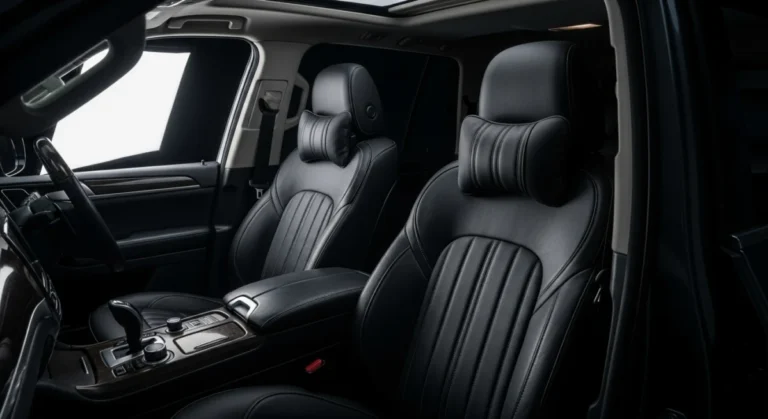
Seat covers: often an afterthought, but arguably one of the most impactful accessories you can add to your vehicle. Think about it – your seats endure a daily barrage of wear and tear, from sun exposure and spills to muddy paws and the general friction of getting in and out. Replacing damaged or worn seats can be incredibly expensive. Luckily, seat covers offer a practical and stylish solution. But with a vast array of materials available, choosing the right one can feel overwhelming. This guide will demystify the world of seat cover materials, providing you with the knowledge to make an informed decision that perfectly suits your needs and budget.
Understanding Seat Cover Materials: A Comprehensive Guide
The best seat cover material depends entirely on your lifestyle, vehicle use, and budget. From rugged durability to luxurious comfort, each material offers a unique set of advantages and disadvantages. Let’s delve into the most common options:
Canvas Seat Covers
*What is it / How it works:* Canvas is a tightly woven, heavy-duty fabric known for its exceptional durability. Often made from cotton or linen, canvas seat covers provide a robust barrier against wear and tear. The tight weave resists punctures and abrasions, making it ideal for demanding environments.
*Benefits and Key Features:*
- Exceptional Durability: Resists tears, abrasions, and punctures.
- Water Resistance: Many canvas seat covers are treated with water-repellent coatings.
- Protection: Safeguards against dirt, mud, pet hair, and other messes.
- Breathability: While durable, canvas generally allows for decent airflow, preventing excessive sweating.
- Custom Fit Availability: Many brands offer custom-fit canvas seat covers for a precise and secure fit.
*Installation Tips (if applicable):*
- Ensure the seats are clean and dry before installation.
- Follow the manufacturer’s instructions carefully.
- Some canvas covers may require stretching or pulling to achieve a snug fit.
- Use the provided straps, buckles, and hooks to secure the cover in place.
*Maintenance and Care:*
- Spot clean with a damp cloth and mild detergent.
- For deeper cleaning, remove the covers and hand wash or machine wash on a gentle cycle.
- Air dry only; avoid using a dryer, as this can cause shrinkage.
- Reapply water-repellent spray as needed to maintain water resistance.
*Top Buying Factors:*
- Durability Needs: Ideal for work trucks, off-road vehicles, and pet owners.
- Fit and Finish: Opt for custom-fit covers for a professional and secure look.
- Water Resistance Requirements: Consider a water-resistant treatment for added protection against spills and moisture.
- Budget: Canvas seat covers are generally priced in the mid-range.
Neoprene Seat Covers
*What is it / How it works:* Neoprene is a synthetic rubber material, commonly used in wetsuits. Its waterproof and insulating properties make it a popular choice for seat covers, especially in environments where moisture is a concern.
*Benefits and Key Features:*
- Waterproof: Completely impermeable to water, making it ideal for preventing stains and damage from spills and moisture.
- Durable: Resistant to tearing, fading, and cracking.
- Comfortable: Offers a cushioned feel, enhancing driving comfort.
- UV Resistant: Protects seats from sun damage and fading.
- Sporty Look: Often available in vibrant colors and patterns.
*Installation Tips (if applicable):*
- Ensure the seats are clean and dry before installation.
- Stretch the neoprene cover over the seat, working from the top down.
- Use the provided straps, buckles, and hooks to secure the cover in place.
- Pay close attention to the seams and edges to ensure a snug fit.
*Maintenance and Care:*
- Spot clean with a damp cloth and mild detergent.
- Hand wash with cold water and a mild soap.
- Air dry only; avoid direct sunlight or heat, as this can damage the neoprene.
- Avoid using harsh chemicals or abrasive cleaners.
*Top Buying Factors:*
- Waterproof Needs: Perfect for beachgoers, surfers, and those who frequently transport wet gear.
- Durability and Longevity: Neoprene offers excellent resistance to wear and tear.
- Comfort: Provides a cushioned and supportive feel.
- Aesthetics: Enhances the interior with a sporty and modern look.
- Price: Generally more expensive than canvas or polyester.
Leather Seat Covers
*What is it / How it works:* Leather seat covers offer a luxurious and sophisticated upgrade to any vehicle interior. Available in various grades, from genuine leather to synthetic leather (leatherette or vinyl), these covers provide a premium look and feel.
*Benefits and Key Features:*
- Luxury and Style: Adds a touch of elegance and sophistication to the interior.
- Comfort: Genuine leather is soft, supple, and conforms to the body over time.
- Durability: With proper care, leather seat covers can last for many years.
- Easy to Clean: Spills can be easily wiped away with a damp cloth.
- Increased Resale Value: Can enhance the perceived value of your vehicle.
*Installation Tips (if applicable):* (Professional installation often recommended)
- Genuine leather installation often requires professional installation to ensure a proper and wrinkle-free fit. Synthetic leather (leatherette) is slightly easier to install.
- Remove the headrests and any obstructions.
- Carefully stretch and fit the cover over the seat, paying attention to the seams and edges.
- Use the provided straps, buckles, and hooks to secure the cover in place.
*Maintenance and Care:*
- Regularly clean with a leather cleaner and conditioner.
- Protect from direct sunlight to prevent fading and cracking.
- Wipe up spills immediately to prevent staining.
- Avoid using harsh chemicals or abrasive cleaners.
*Top Buying Factors:*
- Desired Aesthetic: Leather adds a touch of luxury and sophistication.
- Budget: Genuine leather is significantly more expensive than synthetic leather.
- Maintenance Requirements: Leather requires regular cleaning and conditioning.
- Comfort Expectations: Leather provides a comfortable and supple seating surface.
- Installation Preference: Synthetic leathers are usually DIY friendly, while genuine might be best for professional help.
Faux Leather (Leatherette or Vinyl) Seat Covers
*What is it / How it works:* Faux leather, also known as leatherette or vinyl, is a synthetic material designed to mimic the look and feel of genuine leather. It’s made from a fabric base coated with a layer of PVC or polyurethane.
*Benefits and Key Features:*
- Affordable: Significantly less expensive than genuine leather.
- Easy to Clean: Wipe-clean surface makes it easy to maintain.
- Durable: Resistant to cracking, fading, and staining.
- Water Resistant: Repels water and spills, making it ideal for protecting against messes.
- Wide Variety of Styles: Available in a wide range of colors, textures, and patterns.
*Installation Tips (if applicable):*
- Ensure the seats are clean and dry before installation.
- Stretch the faux leather cover over the seat, working from the top down.
- Use the provided straps, buckles, and hooks to secure the cover in place.
- Pay close attention to the seams and edges to ensure a snug fit.
*Maintenance and Care:*
- Wipe clean with a damp cloth and mild detergent.
- Avoid using harsh chemicals or abrasive cleaners.
- Protect from direct sunlight to prevent fading.
- Condition occasionally with a vinyl protectant to maintain its suppleness.
*Top Buying Factors:*
- Budget Considerations: An affordable alternative to genuine leather.
- Ease of Maintenance: Simple wipe-clean surface.
- Durability Needs: Resistant to wear and tear.
- Style Preferences: Available in a wide range of colors and patterns.
Polyester Seat Covers
*What is it / How it works:* Polyester is a synthetic fabric known for its durability, affordability, and resistance to wrinkles and fading. It’s a versatile option for seat covers, offering a good balance of performance and value.
*Benefits and Key Features:*
- Affordable: One of the most budget-friendly options.
- Durable: Resistant to wrinkles, fading, and stretching.
- Easy to Clean: Machine washable and quick-drying.
- Wide Variety of Colors and Patterns: Available in a vast range of styles.
- Lightweight: Doesn’t add significant weight to the seats.
*Installation Tips (if applicable):*
- Ensure the seats are clean and dry before installation.
- Slip the polyester cover over the seat, working from the top down.
- Use the provided straps, buckles, and hooks to secure the cover in place.
- Adjust the cover for a snug fit.
*Maintenance and Care:*
- Machine wash on a gentle cycle with cold water.
- Tumble dry on low heat or air dry.
- Avoid using bleach or harsh chemicals.
*Top Buying Factors:*
- Budget Constraints: A very affordable option.
- Ease of Maintenance: Simple machine washing and drying.
- Variety of Styles: Available in a wide range of colors and patterns.
- General Protection: Provides basic protection against spills and stains.
Essential FAQ Section
Q: Are universal seat covers a good option, or should I always go for custom-fit?
A: While universal seat covers are more affordable, custom-fit options offer a superior fit and finish. Custom covers are designed to precisely match the contours of your seats, providing a more secure and professional look. Universal covers may shift and wrinkle, potentially compromising comfort and safety. If you value aesthetics and a secure fit, custom is the way to go.
Q: How do I know if a seat cover is airbag compatible?
A: Airbag compatibility is crucial for safety. Look for seat covers that are specifically labeled as “airbag compatible.” These covers are designed with strategically placed openings or weak seams that allow the airbags to deploy properly in the event of an accident. Never install seat covers that could obstruct or interfere with airbag deployment.
Q: Which seat cover material is best for hot weather?
A: Breathability is key in hot weather. Canvas, mesh, and some specially treated polyester fabrics are good choices because they allow air to circulate, preventing excessive sweating and discomfort. Avoid materials like neoprene and some faux leathers, which can trap heat.
Q: Can seat covers damage my original seats?
A: Poorly fitted or low-quality seat covers can potentially damage your original seats. Friction from loose covers can cause wear and tear over time. Always choose high-quality covers that fit snugly and securely. Also, periodically remove the covers to clean both the covers and the original seats.
Q: How often should I clean my seat covers?
A: The frequency of cleaning depends on your usage and the material of the seat covers. As a general rule, spot clean spills and stains immediately. Deep clean your seat covers at least every few months, or more frequently if you have pets or frequently transport messy items.
Conclusion
Choosing the right seat cover material is an investment in the longevity, comfort, and style of your vehicle’s interior. By carefully considering your needs, budget, and the unique characteristics of each material, you can select seat covers that provide optimal protection, enhance your driving experience, and maintain the value of your vehicle for years to come. From the rugged durability of canvas to the luxurious feel of leather, there’s a seat cover material perfectly suited to your individual needs and preferences. Take the time to research and compare your options, and you’ll be rewarded with a comfortable, stylish, and well-protected vehicle interior.