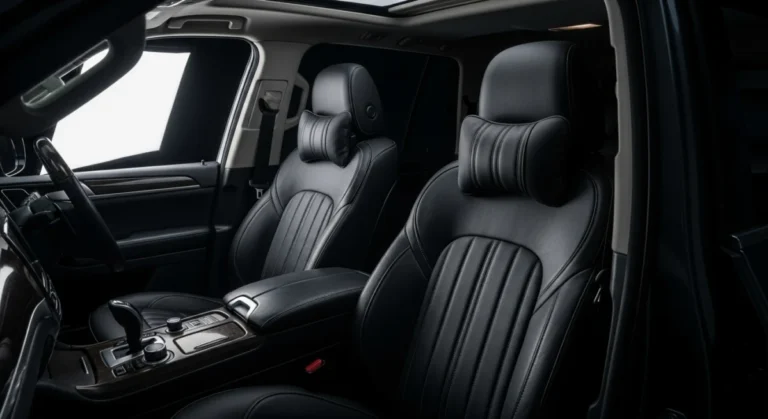
Seat covers: protecting your car’s upholstery since day one. We’ve all seen them, and many of us have used them, but installing them correctly? That’s where things often go south. The global automotive seat cover market is a multi-billion dollar industry, and a significant percentage of returns and negative reviews stem from poor installation. This guide is your definitive resource for avoiding common seat cover installation mistakes, ensuring a perfect fit, and maximizing the lifespan of your investment.
Understanding Automotive Seat Covers
What are Seat Covers and How Do They Work?
Automotive seat covers are protective fabric or material layers designed to fit over the existing seats in a vehicle. Their primary function is to shield the original upholstery from wear and tear, spills, stains, dirt, and fading caused by UV exposure. Seat covers work by providing a barrier between the seat surface and external elements. They are typically held in place by elastic straps, hooks, zippers, or a combination thereof, creating a snug and secure fit around the seat. Some covers utilize a slip-on design with minimal fasteners, relying on friction and the seat’s contours to stay in place.
Benefits and Key Features of Quality Seat Covers
Choosing the right seat cover offers numerous benefits.
- Protection: Prevents damage to original upholstery, maintaining resale value.
- Customization: Allows for personalization of the vehicle’s interior.
- Comfort: Adds a layer of cushioning or specialized materials for enhanced comfort. (e.g. memory foam, cooling gel)
- Style: Offers a wide range of colors, patterns, and materials to match individual preferences.
- Ease of Cleaning: Easier to clean than original upholstery; many are machine washable.
- Durability: High-quality materials withstand daily wear and tear, extending the life of the seats.
- Water Resistance: Some covers are waterproof or water-resistant, protecting against spills and moisture.
- Pet-Friendly: Designed to resist scratches, pet hair, and odors, making travel with pets easier.
Key features to look for in seat covers include:
- Material Quality: Durability, comfort, and resistance to wear and tear. Common materials include neoprene, leatherette, canvas, and polyester.
- Fit: Precise fit tailored to the vehicle’s make and model for a seamless appearance.
- Attachment System: Secure and easy-to-use straps, hooks, and zippers for a tight and stable fit.
- Airbag Compatibility: Specifically designed to allow airbags to deploy safely and effectively. This is a critical safety feature.
- UV Resistance: Prevents fading and deterioration from sun exposure.
- Water Resistance/Waterproofing: Protection against spills and moisture.
- Easy to Clean: Machine washable or easy to wipe down.
- Thickness & Padding: Adds comfort and support.
- Headrest and Armrest Compatibility: Designed to accommodate headrests and armrests without hindering their function.
Installation Tips: Avoiding Common Mistakes
Proper installation is crucial for the functionality, appearance, and longevity of seat covers. Here’s where most people go wrong:
- Rushing the Process: Take your time! Hasty installation leads to misalignment, ripped seams, and a poor fit.
- Ignoring Instructions: Always read the manufacturer’s instructions carefully before starting. Each seat cover is unique.
- Incorrect Placement: Ensure the cover is properly aligned with the seat’s contours before securing any straps or hooks. Start with the seat back and work your way down to the seat cushion.
- Over-Tightening Straps: Over-tightening can damage the cover, the seat, or both. Tighten straps just enough to achieve a snug fit without excessive pressure. Check the elastic strength of the straps before cranking down.
- Forcing Fasteners: Avoid forcing hooks or zippers, which can break them or damage the cover. If something doesn’t fit easily, double-check the alignment and try again.
- Neglecting Airbag Cutouts: Make sure the seat covers DO NOT obstruct side airbags. Many covers are designed with special cutouts. Confirm that these cutouts align perfectly with the vehicle’s airbag deployment areas.
- Uneven Installation: Ensure the cover is evenly distributed across the seat. Avoid bunching or wrinkling.
- Using the Wrong Tools: Avoid using sharp objects that could damage the seat cover or the seat itself.
- Skipping Seat Removal (If Necessary): Some seat covers install much easier if you temporarily remove the seat from the vehicle. Check if this is recommended for your model. Disconnect the battery first before disconnecting any electrical connections under the seat.
- Poor Under-Seat Access: Access to under-seat anchoring points is often limited. Use a flashlight and consider using a flexible extension for reaching difficult areas.
- Ignoring Headrest Removal: Most seat covers require headrest removal for proper installation. Ensure you understand how to remove and reinstall your vehicle’s headrests.
- Assuming One-Size-Fits-All: Seat covers are often vehicle-specific or designed for certain seat types. Double-check compatibility before installation.
- Pro Tip: Warm up the seat covers (especially leatherette or vinyl) with a hair dryer before installation. This will make them more pliable and easier to stretch.
- Pro Tip: Use a flathead screwdriver (wrapped in a cloth) to gently tuck the edges of the seat cover into the crevices between the seat and the plastic trim. This creates a cleaner, more professional look.
Maintenance and Care: Extending the Life of Your Seat Covers
Proper maintenance is essential to prolong the life and appearance of your seat covers.
- Regular Cleaning: Vacuum the seat covers regularly to remove dirt, dust, and debris. Use a soft brush attachment to avoid scratching the material.
- Spot Cleaning: Address spills and stains immediately with a damp cloth and mild soap. Avoid harsh chemicals or abrasive cleaners.
- Machine Washing (If Applicable): If the seat covers are machine washable, follow the manufacturer’s instructions carefully. Use a gentle cycle and cold water.
- Air Drying: Air dry the seat covers completely before reinstalling them. Avoid using a dryer, which can damage the material.
- UV Protection: Park your vehicle in the shade or use a sunshade to minimize UV exposure, which can cause fading and deterioration.
- Conditioning (For Leather/Leatherette): Use a leather conditioner to keep leather or leatherette seat covers supple and prevent cracking.
- Pet Hair Removal: Use a lint roller or a specialized pet hair removal tool to remove pet hair.
Top Buying Factors: Selecting the Right Seat Covers
Choosing the right seat covers is critical to avoid installation headaches down the line. Here are top buying factors:
- Vehicle Compatibility: Ensure the seat covers are specifically designed for your vehicle’s make, model, and year.
- Material Quality: Consider the durability, comfort, and aesthetic appeal of the material.
- Fit: Look for a snug and precise fit that covers the entire seat surface without bunching or wrinkling.
- Installation Difficulty: Assess the complexity of the installation process and choose covers that you can confidently install yourself. If in doubt, consider professional installation.
- Airbag Compatibility: Prioritize seat covers that are designed to allow airbags to deploy safely.
- Features: Consider features such as water resistance, UV protection, and easy cleaning.
- Price: Balance price with quality and features to find the best value for your needs. Read reviews on multiple retailers to gauge real customer satisfaction.
- Warranty: Check for a warranty that covers defects in materials and workmanship.
- Style and Color: Select seat covers that complement the interior of your vehicle.
Essential FAQ: Addressing Common Concerns
Q: How do I know if a seat cover is compatible with my side airbags? A: Look for seat covers specifically labeled as “airbag compatible.” These covers are designed with special cutouts or seams that allow the side airbags to deploy without obstruction. Always check the manufacturer’s specifications and safety certifications.
Q: Can I install seat covers myself, or do I need professional help? A: Most seat covers can be installed yourself with basic tools and patience. However, if you are uncomfortable with the installation process or have a complex seat design, consider professional installation.
Q: How do I clean stains on my seat covers? A: Spot clean stains immediately with a damp cloth and mild soap. Avoid harsh chemicals or abrasive cleaners. For tougher stains, consider using a specialized upholstery cleaner. Always test the cleaner on an inconspicuous area first.
Q: What is the best material for seat covers? A: The best material depends on your needs and preferences. Neoprene is durable and water-resistant, leatherette provides a luxurious look, canvas is rugged and long-lasting, and polyester is affordable and easy to clean.
Q: How do I prevent my seat covers from slipping? A: Ensure the seat covers are properly installed and securely fastened. Use the provided straps, hooks, and zippers to create a snug fit. You can also use non-slip pads or strips underneath the seat covers to provide extra grip.
Conclusion
Investing in quality seat covers and installing them correctly is a worthwhile endeavor that protects your vehicle’s interior, enhances its appearance, and improves your overall driving experience. By understanding the common installation mistakes outlined in this guide, and by choosing the right seat covers for your specific needs, you can ensure a perfect fit and years of reliable protection. Remember to prioritize safety, take your time, and follow the manufacturer’s instructions carefully. Happy driving!