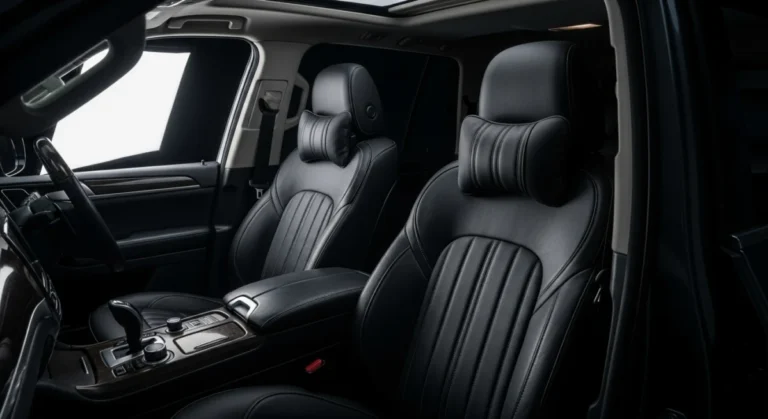
The interior of your vehicle is under constant assault. Sun, spills, abrasion from clothing, muddy paws – the list goes on. According to a recent study by the American Automobile Association (AAA), interior repairs account for a significant portion of vehicle maintenance costs, often exceeding $500 for even minor damage. One of the most effective ways to combat this wear and tear and protect your investment is by using seat covers. But with so many options available, how do you ensure you’re choosing a set that will actually *last*? The key lies in understanding the durability factors that influence a seat cover’s lifespan. This guide will delve deep into these factors, equipping you with the knowledge to make an informed purchase and keep your car’s interior looking its best for years to come.
Understanding Seat Cover Durability
Seat cover durability isn’t just about how long they *technically* survive; it’s about how well they maintain their appearance and functionality under regular use. A truly durable seat cover will resist fading, tearing, staining, and general wear, providing reliable protection and comfort for an extended period.
What Influences Seat Cover Durability?
Several factors contribute to the longevity of a seat cover. These include the material used, the construction methods employed, the quality of the stitching, and even the design itself. Let’s break down these key aspects:
- Material: This is arguably the most crucial factor. Different materials offer varying levels of resistance to abrasion, UV exposure, water damage, and other environmental stressors.
- Construction: How the seat cover is assembled matters. Reinforced seams, strategically placed padding, and well-thought-out designs can significantly enhance durability.
- Stitching: Weak stitching is a common failure point. The type of thread used, the stitch density, and the overall quality of the stitching all play a role in preventing rips and tears.
- Design: A poorly designed seat cover might experience excessive stretching or rubbing in certain areas, leading to premature wear.
- UV Protection: Prolonged exposure to sunlight can cause fading and degradation of many materials. UV protection treatments are vital for long-term durability, especially in sunny climates.
Key Seat Cover Materials and Their Durability
The material used is the primary determinant of seat cover durability. Here’s a breakdown of common materials and their respective strengths and weaknesses:
Canvas
Canvas is a popular choice for its ruggedness and durability.
- What is it / How it works: Canvas is a tightly woven fabric, typically made from cotton or linen. Its dense weave provides excellent resistance to abrasion and tearing. Many canvas seat covers are treated with water-repellent coatings for added protection.
- Benefits and key features:
- High abrasion resistance
- Durable and long-lasting
- Breathable
- Often water-resistant
- Maintenance and care: Canvas seat covers can usually be spot-cleaned with mild soap and water. For more thorough cleaning, some may be machine-washable, but always check the manufacturer’s instructions. Regular cleaning helps prevent the build-up of dirt and grime that can accelerate wear.
- Top buying factors:
- Denier Rating: Higher denier numbers indicate a denser, more durable weave.
- Water Resistance: Look for water-repellent treatments.
- UV Protection: Essential for preventing fading.
Neoprene/Neosupreme
Neoprene and Neosupreme are synthetic rubber materials known for their water resistance and sporty appearance.
- What is it / How it works: Neoprene is a synthetic rubber used in wetsuits. Neosupreme is a more breathable and often more affordable alternative. Both materials offer excellent water resistance and a snug fit.
- Benefits and key features:
- Waterproof or highly water-resistant
- Snug, form-fitting appearance
- Easy to clean
- Comfortable
- Maintenance and care: Neoprene and Neosupreme seat covers are typically easy to clean with a damp cloth. Avoid harsh chemicals or abrasive cleaners, as these can damage the material.
- Top buying factors:
- Thickness: Thicker neoprene offers better protection and durability.
- Lamination: Look for laminated neoprene or Neosupreme for added strength.
- UV Resistance: Especially important in hot, sunny climates.
Leatherette/Faux Leather
Leatherette and faux leather offer a luxurious look and feel at a lower price point than genuine leather.
- What is it / How it works: Leatherette and faux leather are synthetic materials designed to mimic the appearance and texture of genuine leather. They are typically made from PVC or polyurethane.
- Benefits and key features:
- Relatively durable
- Water-resistant
- Easy to clean
- Luxurious appearance
- Maintenance and care: Leatherette and faux leather seat covers can be cleaned with a damp cloth and a mild leather cleaner. Avoid using harsh chemicals or abrasive cleaners. Regular conditioning can help prevent cracking and drying.
- Top buying factors:
- Material Quality: Look for high-quality PVC or polyurethane that feels supple and durable.
- Backing Material: A strong backing material will help prevent tearing and stretching.
- UV Resistance: Important for preventing fading and cracking.
Polyester
Polyester is a synthetic fiber known for its affordability and versatility.
- What is it / How it works: Polyester is a synthetic fabric that is resistant to wrinkles, shrinking, and stretching. It is often used in seat covers as a more affordable alternative to other materials.
- Benefits and key features:
- Affordable
- Durable
- Resistant to wrinkles, shrinking, and stretching
- Easy to clean
- Maintenance and care: Polyester seat covers are typically machine-washable. Follow the manufacturer’s instructions for washing and drying.
- Top buying factors:
- Denier Rating: Higher denier numbers indicate a denser, more durable weave.
- Water Resistance: Look for water-repellent treatments.
- UV Protection: Essential for preventing fading.
Ballistic Nylon
Ballistic nylon is an extremely tough and durable synthetic fabric designed for heavy-duty applications.
- What is it / How it works: Ballistic nylon is a thick, tough, and durable nylon fabric originally developed for flak jackets. Its tight weave and high denier rating provide exceptional resistance to abrasion, tearing, and punctures.
- Benefits and key features:
- Extremely durable and long-lasting
- High abrasion resistance
- Water-resistant
- Resists tearing and punctures
- Maintenance and care: Ballistic nylon seat covers can typically be spot-cleaned with a damp cloth and mild soap. For more thorough cleaning, some may be machine-washable, but always check the manufacturer’s instructions.
- Top buying factors:
- Denier Rating: Higher denier numbers indicate a more durable weave (1680D is a common high-end rating).
- Coating: Look for water-repellent or waterproof coatings for added protection.
- UV Protection: Essential for preventing fading and degradation from sun exposure.
Stitching and Seam Construction
The quality of the stitching and seam construction is just as important as the material itself. Weak stitching can lead to rips and tears, significantly reducing the lifespan of the seat cover.
- Double Stitching: Look for double stitching along all seams. This provides added strength and prevents the seams from unraveling.
- Reinforced Seams: Areas that are subject to high stress, such as the edges of the seat cover and around cutouts for seat belts, should have reinforced seams.
- High-Quality Thread: The type of thread used also matters. Look for heavy-duty thread made from materials like nylon or polyester. These threads are more resistant to abrasion and UV damage than cotton threads.
- Stitch Density: A higher stitch density (stitches per inch) indicates a stronger and more durable seam.
Design Considerations for Durability
The design of the seat cover can also impact its durability.
- Snug Fit: A seat cover that fits snugly will experience less friction and movement, reducing wear and tear.
- Reinforced Areas: Areas that are prone to wear, such as the bolsters and seat bottom, should be reinforced with extra padding or durable materials.
- UV Protection: Look for seat covers with UV protection to prevent fading and degradation of the material.
- Water Resistance: Water-resistant coatings can help protect the seat cover from spills and stains.
Installation Tips for Prolonging Seat Cover Life
Proper installation can also contribute to the longevity of your seat covers.
- Follow Instructions: Always follow the manufacturer’s instructions carefully.
- Proper Fit: Ensure the seat covers fit snugly and securely. Avoid forcing them into place, as this can damage the material or stitching.
- Secure Attachments: Make sure all straps, buckles, and hooks are securely fastened.
- Avoid Overstretching: Do not overstretch the seat covers, as this can weaken the material and cause it to tear.
Maintenance and Care for Maximum Durability
Regular maintenance and care can significantly extend the lifespan of your seat covers.
- Regular Cleaning: Clean your seat covers regularly with a damp cloth and mild soap.
- Avoid Harsh Chemicals: Avoid using harsh chemicals or abrasive cleaners, as these can damage the material.
- Protect from Sun: Park your car in the shade or use a sunshade to protect the seat covers from UV damage.
- Rotate (if possible): If your seat covers are reversible, consider rotating them periodically to even out wear.
- Repair Tears Promptly: Repair any tears or rips promptly to prevent them from spreading.
Top Buying Factors: A Quick Recap
- Material: Choose a material that is appropriate for your needs and lifestyle.
- Construction: Look for double stitching, reinforced seams, and high-quality thread.
- Fit: Ensure the seat covers fit snugly and securely.
- UV Protection: Protect your seat covers from fading and degradation from sun exposure.
- Water Resistance: Protect your seat covers from spills and stains.
- Warranty: A good warranty can provide peace of mind and protect your investment.
Essential FAQ
- Q: Are universal seat covers as durable as custom-fit ones?
A: Custom-fit seat covers generally offer better durability because they fit more snugly and experience less friction. Universal covers, while more affordable, may shift and wear more quickly.
- Q: How important is UV protection for seat cover durability?
A: UV protection is *extremely* important, especially in sunny climates. Without it, seat covers can fade, crack, and become brittle over time.
- Q: Can I machine wash all seat covers?
A: No. Always check the manufacturer’s instructions before washing seat covers. Some materials, such as leatherette, should only be spot-cleaned.
- Q: What’s the best material for seat covers if I have pets?
A: For pet owners, durable and easy-to-clean materials like canvas, ballistic nylon, or neoprene are excellent choices. Look for seat covers that are also water-resistant and stain-resistant.
- Q: How often should I clean my seat covers?
A: Clean your seat covers as needed, typically every few weeks or whenever they become soiled. Regular cleaning helps prevent the build-up of dirt and grime that can accelerate wear.
Conclusion
Investing in durable seat covers is an investment in the longevity and appearance of your vehicle’s interior. By understanding the factors that influence seat cover durability, such as material, construction, and design, you can make an informed decision and choose a set that will provide years of reliable protection and comfort. Remember to prioritize regular maintenance and care to maximize the lifespan of your seat covers and keep your car’s interior looking its best. With the right choice and proper care, your seat covers can withstand the daily wear and tear and protect your investment for years to come.