In other words, ONLY return the article, properly formatted.
Racing seat covers: not just a cosmetic upgrade, but a critical component for performance, protection, and comfort. According to a recent survey of amateur racing enthusiasts, over 60% reported improved driver comfort and focus after installing performance-oriented seat covers. If you’re pushing your vehicle to the limit on the track or simply want to add a touch of aggressive style to your daily driver, understanding the intricacies of racing seat covers is paramount. This guide will equip you with the knowledge to select, install, and maintain the perfect seat covers, ensuring you get the most out of your investment.
Understanding Racing Seat Covers
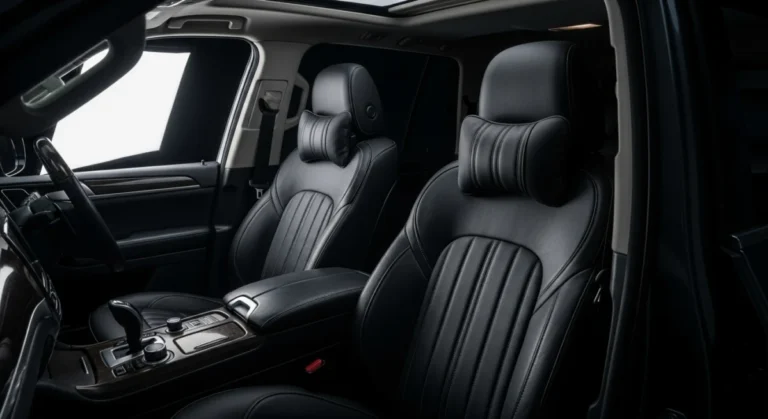
Racing seat covers are designed to enhance the functionality, aesthetics, and longevity of your car’s existing seats. Unlike standard seat covers primarily focused on protection, racing seat covers prioritize performance-oriented features such as improved grip, breathability, and bolstering support. These specialized covers aren’t just about looking good; they’re about enhancing the driving experience.
What is it / How it works
Racing seat covers are typically constructed from high-performance materials like suede, leather, mesh, or specialized synthetic fabrics that offer a unique blend of durability, grip, and breathability. These materials are carefully chosen to withstand the rigors of high-performance driving, resisting wear and tear from constant shifting, braking, and body movements.
The “how it works” aspect hinges on a few key areas:
- Grip Enhancement: Many racing seat covers feature textured surfaces or strategically placed grip panels designed to minimize driver slippage during aggressive maneuvers. This increased stability improves control and reduces driver fatigue.
- Bolstering Support: Advanced designs incorporate integrated bolstering, providing additional lateral support to hold the driver firmly in place during cornering. This reduces body roll and enhances responsiveness.
- Ventilation and Breathability: High-quality racing seat covers utilize breathable materials and strategically placed ventilation channels to promote airflow and wick away moisture. This helps keep the driver cool and comfortable, even during extended periods of intense driving.
- Protection: They act as a barrier against spills, stains, and wear, preserving the original upholstery and potentially increasing the resale value of your vehicle.
Benefits and Key Features
Investing in a high-quality set of racing seat covers yields numerous benefits:
- Improved Driver Comfort: Enhanced cushioning, breathability, and support reduce fatigue and allow for better concentration during long drives or track sessions.
- Enhanced Grip and Stability: Textured surfaces and bolstering minimize driver slippage, leading to improved control and responsiveness.
- Aesthetic Upgrade: A wide range of designs, colors, and materials allows you to customize your vehicle’s interior and create a sporty, aggressive look.
- Protection of Original Upholstery: Seat covers shield your seats from wear and tear, spills, stains, and fading, preserving their condition and value.
- Increased Resale Value: Maintaining the integrity of your original upholstery can significantly increase your vehicle’s resale value.
- Easy Cleaning and Maintenance: Most racing seat covers are designed for easy cleaning, allowing you to quickly wipe away dirt, sweat, and spills.
Key features to look for include:
- Material Quality: Opt for durable, breathable, and grippy materials like Alcantara, perforated leather, or high-quality synthetic fabrics.
- Bolstering: Consider the level of bolstering required based on your driving style and the type of racing you participate in. More aggressive driving requires more substantial bolstering.
- Ventilation: Ensure adequate ventilation to prevent overheating and maintain driver comfort. Mesh panels and perforated materials are excellent choices.
- Fitment: Precise fitment is crucial for both comfort and aesthetics. Look for seat covers designed specifically for your vehicle make and model.
- Installation Method: Evaluate the ease of installation. Some seat covers require professional installation, while others can be installed at home with basic tools.
- UV Resistance: UV-resistant materials prevent fading and degradation from prolonged sun exposure.
- Flame Retardancy: For serious track enthusiasts, flame-retardant materials are a crucial safety consideration.
- Adjustability: Some high-end options offer adjustable lumbar support or bolstering for a custom fit.
Installation Tips
Installing racing seat covers can range from a simple DIY project to a more complex task requiring professional assistance. Here’s a general guide:
1. Preparation:
- Safety First: Disconnect the negative battery terminal to prevent accidental airbag deployment (consult your vehicle’s manual for specific instructions).
- Gather necessary tools: pliers, screwdrivers, hog ring pliers (if required), and microfiber cloths.
- Thoroughly clean your existing seats to remove dirt and debris.
2. Removing Headrests (if necessary): Most seat covers require headrest removal for proper installation. Refer to your vehicle’s manual for instructions. 3. Fitting the Seat Covers:
- Start with the seat bottom, carefully stretching the cover over the seat and securing it with straps, hooks, or zippers.
- Pay attention to seams and ensure they align properly with the seat contours.
- Tuck any excess fabric into the crevices between the seat and backrest.
4. Securing the Seat Covers:
- Use straps, buckles, hooks, or zippers to securely fasten the seat covers in place.
- Hog rings may be required for some models to secure the cover to the seat frame.
5. Installing the Seat Back Cover: Repeat the process for the seat back, ensuring a snug and secure fit. 6. Reinstalling Headrests: Carefully reinstall the headrests, ensuring they are properly aligned and locked in place. 7. Final Adjustments: Double-check the fitment and make any necessary adjustments to ensure the seat covers are properly aligned and secured. 8. Reconnecting the Battery: Reconnect the negative battery terminal.
Pro Tip: Watching a video tutorial specific to your vehicle model can be incredibly helpful.
Maintenance and Care
Proper maintenance is essential to extend the life and appearance of your racing seat covers.
- Regular Cleaning: Wipe down the seat covers regularly with a damp cloth to remove dirt, dust, and spills.
- Spot Cleaning: For stubborn stains, use a mild detergent and a soft brush. Avoid harsh chemicals or abrasive cleaners.
- Leather Care: If your seat covers are made of leather, use a dedicated leather cleaner and conditioner to keep them supple and prevent cracking.
- Fabric Protection: Consider applying a fabric protector to synthetic seat covers to repel stains and water.
- UV Protection: Park your car in the shade or use a sunshade to protect the seat covers from fading and degradation due to prolonged sun exposure.
- Professional Cleaning: For deep cleaning or stubborn stains, consider professional upholstery cleaning services.
Top Buying Factors
Navigating the market for racing seat covers can be daunting. Here’s what to consider:
- Budget: Racing seat covers range from affordable to high-end. Determine your budget and prioritize features accordingly. Remember, quality often dictates price.
- Vehicle Compatibility: Ensure the seat covers are specifically designed for your vehicle make, model, and year. Generic seat covers may not fit properly and can compromise safety.
- Driving Style: Consider your driving style and the type of racing you participate in. More aggressive driving requires seat covers with enhanced bolstering and grip.
- Material Preference: Choose materials based on your personal preferences, climate, and driving conditions. Leather is durable and luxurious, while suede offers excellent grip. Mesh is ideal for hot climates due to its breathability.
- Aesthetics: Select a design and color that complements your vehicle’s interior and reflects your personal style.
- Warranty: Look for seat covers with a warranty that covers defects in materials and workmanship.
- Reviews and Ratings: Read online reviews and ratings from other customers to get an idea of the quality and performance of the seat covers.
Essential FAQ
- Q: Are racing seat covers universal?
- A: While some universal options exist, custom-fit racing seat covers designed for your specific vehicle make and model offer the best fit, comfort, and safety.
- Q: Can I install racing seat covers myself?
- A: Some racing seat covers are designed for DIY installation, while others require professional assistance. Carefully evaluate the installation instructions and your comfort level before attempting to install them yourself.
- Q: How do I clean my racing seat covers?
- A: Follow the manufacturer’s instructions for cleaning your seat covers. Generally, a damp cloth and mild detergent are sufficient for most materials. Leather seat covers require specialized leather cleaners and conditioners.
- Q: Do racing seat covers affect airbag deployment?
- A: Properly designed racing seat covers are engineered to not interfere with airbag deployment. However, it’s crucial to choose seat covers that are specifically designed for vehicles with side airbags and to ensure they are installed correctly. Always consult the manufacturer’s instructions.
- Q: Are racing seat covers worth the investment?
- A: If you prioritize performance, comfort, style, and the protection of your original upholstery, racing seat covers are definitely worth the investment. They can enhance your driving experience and increase the resale value of your vehicle.
Racing seat covers offer a winning combination of style, performance, and protection. By carefully considering your needs, budget, and vehicle specifications, you can select the perfect set of seat covers to elevate your driving experience and safeguard your investment for years to come. Remember to prioritize quality materials, proper fitment, and regular maintenance to maximize the benefits of your new racing seat covers.