Leather vs. Fabric Seat Covers: An Expert Guide to Comfort, Style, and Protection
Are you tired of stained, worn, or simply boring car seats? Seat covers are a fantastic way to refresh your vehicle’s interior, protect your original upholstery, and even add a touch of personal style. But with countless options available, the choice between leather seat covers and fabric seat covers can be overwhelming. This comprehensive guide will break down the pros and cons of each, providing you with the expert knowledge needed to make the best decision for your needs and budget. Millions of drivers enhance their vehicles with seat covers every year – let’s ensure you choose the right ones!
Leather Seat Covers: Luxury and Durability
What are Leather Seat Covers?
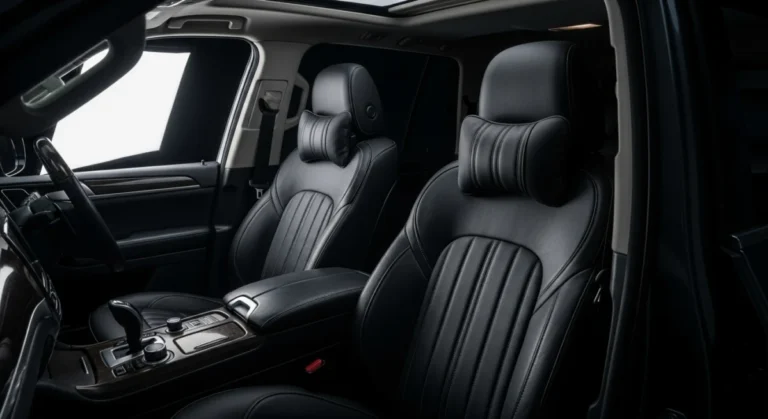
Leather seat covers are designed to mimic the look and feel of genuine leather upholstery, providing a premium aesthetic upgrade. These covers typically utilize genuine leather, faux leather (also known as pleather or vegan leather), or a blend of both. The type of leather used greatly impacts the price, durability, and overall quality of the seat cover. A perfectly tailored leather seat cover fits snugly over your existing seats, enhancing the cabin’s look.
Benefits and Key Features
- Luxurious Appearance: Leather exudes a sophisticated and high-end aesthetic, instantly elevating the look of your car’s interior.
- Durability: Leather is known for its resilience. While fabric can wear down and tear easily, properly maintained leather can withstand years of use.
- Water Resistance: Leather naturally resists liquids better than most fabrics, making spills easier to clean (though immediate action is still key!).
- Enhanced Comfort: Leather tends to conform to the body over time, providing a comfortable and supportive seating experience.
- Increased Resale Value: A well-maintained leather interior, even if it’s seat covers, can potentially increase your vehicle’s resale value.
- Variety of Styles: Modern leather seat covers come in various colors, textures, and designs to complement any vehicle’s style.
Installation Tips
While some universal leather seat covers are straightforward to install, custom-fit options require more precision. Here are some tips for a smooth installation:
- Read the Instructions: Carefully review the manufacturer’s instructions before you begin. This is crucial to avoid damaging the seat covers or your vehicle.
- Gather Your Tools: Common tools you might need include: a flathead screwdriver, pliers (for removing headrests), and possibly hog ring pliers and hog rings if the seat cover requires it for a secure fit.
- Remove Headrests and Seats (If Necessary): Removing the headrests is almost always necessary. For a truly professional fit, consider removing the seats entirely (consult your vehicle’s manual first – some vehicles have electrical connections under the seats that need careful handling!).
- Stretch and Secure: Leather seat covers often need to be stretched and pulled to achieve a snug fit. Take your time and use care to avoid tearing the material. Secure all straps, buckles, and hooks according to the instructions.
- Consider Professional Installation: If you’re uncomfortable with any part of the installation process, or if you have custom-fit seat covers, consider having them professionally installed.
Maintenance and Care
Proper maintenance is essential to keep your leather seat covers looking their best and to extend their lifespan:
- Regular Cleaning: Wipe down your leather seat covers regularly with a soft, damp cloth to remove dust and dirt.
- Leather Conditioner: Apply a leather conditioner every few months to keep the leather supple and prevent cracking. Choose a conditioner specifically designed for automotive leather.
- Avoid Harsh Chemicals: Never use harsh chemicals, abrasive cleaners, or bleach on leather seat covers.
- Protect from Sunlight: Prolonged exposure to direct sunlight can cause leather to fade and crack. Park in the shade whenever possible, or use a sunshade.
- Promptly Clean Spills: Address spills immediately. Blot (don’t rub) the spill with a clean cloth. If necessary, use a leather cleaner specifically designed for the type of spill.
- Heated Seats: Be cautious with heated seats; excessive heat can dry out leather over time.
Top Buying Factors
- Type of Leather: Determine whether you want genuine leather, faux leather (pleather), or a combination. Genuine leather offers the most luxurious feel and durability, but comes at a higher price. Top-grain leather is considered superior. Faux leather is a more affordable and often vegan-friendly option.
- Fit: Universal seat covers are generally more affordable but may not provide a perfect fit. Custom-fit seat covers offer a tailored look but are more expensive.
- Durability: Consider the thickness and quality of the leather. Thicker leather will generally be more durable.
- Color and Style: Choose a color and style that complements your vehicle’s interior.
- Price: Set a budget and compare prices from different retailers. Remember that you often get what you pay for.
- Warranty: Check the manufacturer’s warranty to ensure you’re protected against defects.
- Reviews: Read online reviews from other customers to get an idea of the product’s quality and performance.
Fabric Seat Covers: Affordability and Comfort
What are Fabric Seat Covers?
Fabric seat covers are crafted from various textiles, including polyester, cotton blends, neoprene, and ballistic nylon. These covers offer a wide range of styles, colors, and levels of protection at a more accessible price point than leather. A great choice if you prioritize easy cleaning and budget friendliness.
Benefits and Key Features
- Affordability: Fabric seat covers are generally more affordable than leather seat covers.
- Comfort: Many fabrics are soft and comfortable to sit on, especially in extreme temperatures.
- Breathability: Fabric allows air to circulate, keeping you cooler in the summer and warmer in the winter.
- Variety of Styles: Fabric seat covers are available in a vast array of colors, patterns, and designs.
- Easy to Clean (Some Fabrics): Some fabrics, like neoprene, are water-resistant and easy to clean.
- UV Protection (Some Fabrics): Certain fabrics are treated with UV protectants to resist fading from sunlight.
- Pet-Friendly Options: Many fabric seat covers are designed to be pet-friendly, with features like water resistance and scratch resistance.
- Machine Washable Options: Some fabric seat covers are machine washable, making them very convenient to clean.
Installation Tips
Fabric seat covers are typically easier to install than leather seat covers.
- Read the Instructions: As with leather covers, start by carefully reading the manufacturer’s instructions.
- Remove Headrests: Removing the headrests is usually necessary.
- Slip and Secure: Simply slip the seat covers over your existing seats and secure them with the provided straps, buckles, and hooks.
- Tuck and Smooth: Tuck any excess fabric into the crevices of the seats for a cleaner look.
- Test the Fit: Make sure the seat covers are securely in place and that they don’t interfere with the operation of the seats.
Maintenance and Care
Maintaining fabric seat covers is generally easier than maintaining leather seat covers:
- Vacuum Regularly: Vacuum your fabric seat covers regularly to remove dust, dirt, and debris.
- Spot Clean Stains: Treat spills and stains immediately with a fabric cleaner.
- Machine Wash (If Applicable): If your seat covers are machine washable, follow the manufacturer’s instructions carefully.
- Avoid Harsh Chemicals: Avoid using harsh chemicals, abrasive cleaners, or bleach on fabric seat covers.
- Fabric Protector: Consider applying a fabric protector to help repel stains and water.
Top Buying Factors
- Type of Fabric: Choose a fabric that meets your needs and preferences. Polyester is durable and affordable, while neoprene is water-resistant and easy to clean. Canvas is another durable option.
- Fit: As with leather covers, universal seat covers are more affordable but may not provide a perfect fit. Custom-fit seat covers offer a tailored look.
- Durability: Consider the thickness and weave of the fabric. Tightly woven fabrics are generally more durable.
- Water Resistance: If you frequently spill drinks or have pets, choose a water-resistant fabric.
- UV Protection: If you live in a sunny area, choose a fabric with UV protection.
- Color and Style: Choose a color and style that complements your vehicle’s interior.
- Price: Set a budget and compare prices from different retailers.
- Reviews: Read online reviews from other customers.
- Special Features: Look for features like side airbag compatibility and storage pockets.
Essential FAQs
Q: Are leather seat covers really worth the extra cost?
A: It depends on your priorities. If you value luxury, durability, and a premium appearance, then leather seat covers may be worth the investment. However, if you’re on a budget or prioritize comfort and breathability, fabric seat covers may be a better choice.
Q: Can seat covers interfere with side airbags?
A: Yes, some seat covers can interfere with side airbags. Look for seat covers that are specifically designed to be side airbag compatible. These covers have special seams that allow the airbags to deploy properly.
Q: How long do seat covers typically last?
A: The lifespan of seat covers depends on the quality of the materials and how well they are maintained. Leather seat covers can last for many years with proper care, while fabric seat covers may need to be replaced more frequently.
Q: Are custom-fit seat covers always better than universal seat covers?
A: Custom-fit seat covers offer a more tailored and secure fit, which can improve comfort and appearance. However, they are also more expensive. Universal seat covers are more affordable, but may not fit as well. It depends on your budget and how much you value a perfect fit.
Q: Can I install seat covers myself, or do I need to hire a professional?
A: Most seat covers can be installed yourself, especially fabric ones. However, if you’re uncomfortable with the installation process, or if you have custom-fit leather seat covers, it may be best to hire a professional installer.
Conclusion
Ultimately, the best choice between leather vs. fabric seat covers depends on your individual needs, budget, and preferences. Leather offers a luxurious look and feel with excellent durability, while fabric provides affordability, comfort, and a wider range of style options. By carefully considering the factors outlined in this guide, you can make an informed decision and choose the seat covers that are right for you and your vehicle. Enjoy the transformation of your car’s interior!