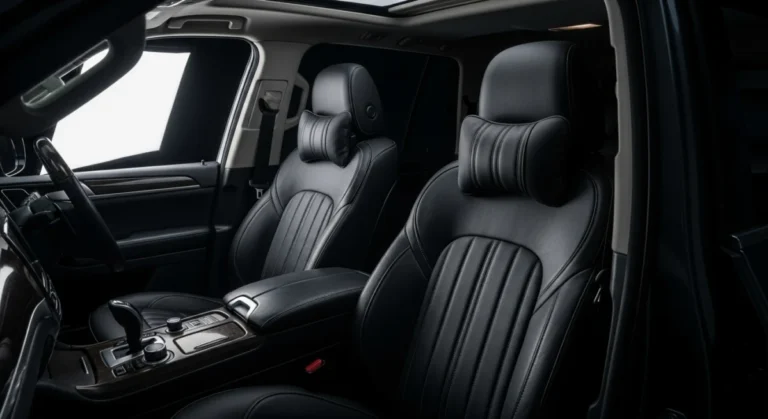
Seat covers: seemingly simple accessories that add style and comfort to your car’s interior. But beneath the surface of plush fabrics and custom designs lies a critical safety question: how do seat covers affect airbags?
The answer isn’t always straightforward. While some seat covers are designed with airbag compatibility in mind, others can seriously impede or even prevent your airbags from deploying correctly, turning a potential life-saving device into a dangerous hazard. According to the National Highway Traffic Safety Administration (NHTSA), airbags are a crucial safety feature that reduces driver fatalities in frontal crashes by 32%. Compromising their effectiveness with ill-fitting or poorly designed seat covers is a risk no driver should take.
This comprehensive guide dives deep into the complex relationship between seat covers and airbags, providing you with the expert knowledge you need to make informed decisions and ensure your safety on the road.
Understanding Airbag Systems and Their Sensitivity
To understand how seat covers can interfere with airbags, it’s crucial to first grasp the basics of how these systems work.
What is an Airbag System and How Does it Work?
Modern vehicles are equipped with sophisticated airbag systems that include sensors, control units, and the airbags themselves. When a collision occurs, sensors detect sudden deceleration and send a signal to the control unit. This unit determines the severity of the impact and, if necessary, triggers the deployment of the airbag(s).
Airbags are typically located in the steering wheel, dashboard, and, crucially for this discussion, the sides of the seats in many modern vehicles. These side airbags, also known as side impact airbags or seat-mounted airbags, are designed to protect the occupant’s torso and head in a side-impact collision. They deploy rapidly from the side of the seat, filling the space between the occupant and the door.
The deployment process is incredibly fast – often within milliseconds. This speed is essential for the airbag to provide effective protection. Any obstruction or delay can reduce the airbag’s effectiveness, potentially leading to serious injury or even death.
The Critical Role of Side Airbags
Side airbags are becoming increasingly common, offering vital protection in side-impact crashes, which account for a significant percentage of traffic fatalities. These airbags are often integrated directly into the seat structure, deploying through a designated seam or opening in the seat upholstery. This integration is precisely why the choice of seat covers is so important. If a seat cover is not specifically designed to accommodate side airbags, it can:
- Obstruct the deployment path: A thick or tightly fitted seat cover can block the airbag from deploying properly.
- Delay deployment: Even a slight delay can significantly reduce the airbag’s effectiveness.
- Alter the deployment direction: The airbag may deploy in an unintended direction, potentially causing injury.
- Prevent deployment entirely: In the worst-case scenario, the seat cover could prevent the airbag from deploying at all.
Airbag-Compatible Seat Covers: The Safe Solution
The good news is that many seat covers are designed with airbag compatibility in mind. These airbag-compatible seat covers feature specialized designs that allow the airbag to deploy without obstruction.
What are Airbag-Compatible Seat Covers and How Do They Work?
Airbag-compatible seat covers typically incorporate a designated “breakaway” seam or a weaker section of material in the area where the side airbag deploys. This allows the airbag to tear through the seat cover upon deployment, ensuring that it can inflate properly and provide the intended protection.
Manufacturers often conduct rigorous testing to ensure that their airbag-compatible seat covers meet safety standards. Look for certifications or statements from the manufacturer confirming that the seat covers have been tested and approved for use with vehicles equipped with side airbags.
Benefits and Key Features of Airbag-Compatible Seat Covers
Safety Assurance: The primary benefit is, of course, ensuring that your side airbags will function as intended in the event of a collision. Proper Fit: Airbag-compatible seat covers are designed to fit your specific vehicle model, ensuring that they do not interfere with any of the seat’s features or functions. Material Quality: Many airbag-compatible seat covers are made from durable, high-quality materials that can withstand wear and tear. Style and Comfort: These seat covers come in a wide range of styles, colors, and materials, allowing you to customize your car’s interior while maintaining safety. Protection: Airbag-compatible covers protect your original seats from spills, stains, and general wear and tear.
Installation Tips for Airbag-Compatible Seat Covers
Read the Instructions: Always carefully read and follow the manufacturer’s installation instructions. This is crucial for ensuring proper fit and airbag compatibility. Identify Airbag Seams: Locate the designated breakaway seams or openings on the seat covers. Ensure that these are aligned with the side airbag deployment area on your seats. Ensure a Snug Fit: A snug fit is important, but avoid over-tightening the seat covers, as this could restrict airbag deployment. Check for Obstructions: After installation, double-check that the seat covers do not obstruct any seat belts, levers, or other safety features. Test and Adjust: If possible, gently test the breakaway seam to ensure that it is properly positioned and will tear easily in the event of airbag deployment (while not deploying your actual airbag, obviously!).
Maintenance and Care of Airbag-Compatible Seat Covers
The maintenance of airbag-compatible seat covers is generally the same as for any other type of seat cover. Regular cleaning will help to keep them looking their best and extend their lifespan.
- Vacuum Regularly: Vacuum your seat covers regularly to remove dirt, dust, and debris.
- Spot Clean Stains: Clean up spills and stains immediately with a mild detergent and a soft cloth.
- Follow Manufacturer’s Instructions: Always follow the manufacturer’s specific cleaning instructions.
- Avoid Harsh Chemicals: Avoid using harsh chemicals or abrasive cleaners, as these can damage the seat cover material.
Top Buying Factors: Choosing the Right Airbag-Compatible Seat Covers
When selecting airbag-compatible seat covers, consider the following factors:
- Airbag Compatibility: This is the most important factor. Look for seat covers that are specifically designed and tested for use with vehicles equipped with side airbags.
- Vehicle Compatibility: Ensure that the seat covers are designed to fit your specific vehicle make, model, and year.
- Material Quality: Choose seat covers made from durable, high-quality materials that will withstand wear and tear.
- Style and Comfort: Select seat covers that match your personal style and provide a comfortable seating experience.
- Warranty: Look for seat covers that come with a warranty, as this can provide peace of mind in case of defects or premature wear.
- Reviews: Read online reviews from other customers to get an idea of the seat covers’ quality and performance.
Essential FAQs About Seat Covers and Airbags
Here are some frequently asked questions to further clarify the relationship between seat covers and airbags:
Q: Can I use any seat cover on a car with side airbags?
A: No. Using a seat cover that is not specifically designed and tested for airbag compatibility can obstruct or delay airbag deployment, potentially leading to serious injury. Always choose airbag-compatible seat covers.
Q: How can I tell if a seat cover is airbag compatible?
A: Look for a statement from the manufacturer confirming that the seat covers have been tested and approved for use with vehicles equipped with side airbags. The seat covers should also have designated breakaway seams or openings in the area where the side airbags deploy.
Q: Are universal seat covers safe to use with side airbags?
A: While some universal seat covers may claim to be airbag compatible, it’s best to avoid them. Custom-fit seat covers are more likely to provide a proper fit and ensure that the airbags can deploy without obstruction.
Q: Can I modify a non-airbag-compatible seat cover to make it safe for side airbags?
A: Modifying a seat cover is not recommended. It’s difficult to ensure that the modification will allow the airbag to deploy properly, and you could inadvertently create a safety hazard. It’s always best to purchase seat covers that are specifically designed for airbag compatibility.
Q: Where can I find airbag-compatible seat covers?
A: Airbag-compatible seat covers can be found at many auto parts stores, online retailers, and car dealerships. Be sure to check the product description carefully to confirm that the seat covers are compatible with your vehicle’s airbag system.
Conclusion
Choosing the right seat covers is about more than just aesthetics and comfort; it’s about safety. While stylish seat covers can enhance your driving experience, prioritizing airbag compatibility is paramount. By understanding how seat covers can affect airbag deployment and selecting airbag-compatible options, you can ensure that your airbags will function as intended in the event of a collision, protecting you and your passengers from serious injury. Remember, when it comes to safety, there’s no room for compromise. Investing in properly designed and installed airbag-compatible seat covers is an investment in your well-being and peace of mind on the road.