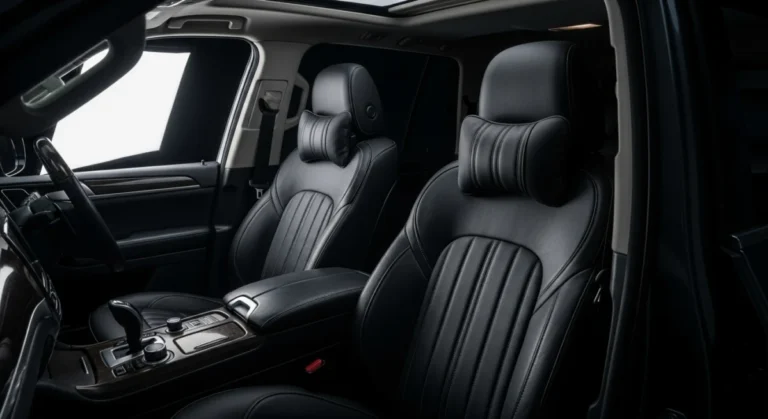
The sun beats down, turning your car into a veritable oven. You brace yourself, open the door, and… *sizzle*. That initial burn from your car seat, especially on leather, can be excruciating. But what if you could eliminate that discomfort and even enjoy a cooler, more comfortable driving experience, especially during scorching summers? Enter cooling seat covers, the unsung heroes of automotive comfort. The global automotive seat cover market is projected to reach billions in the coming years, driven partly by the demand for comfort-enhancing features like cooling. In this comprehensive guide, we’ll dive deep into the world of cooling seat covers, exploring their mechanics, benefits, installation, maintenance, and the key factors to consider before making a purchase.
What are Cooling Seat Covers and How Do They Work?
Cooling seat covers are aftermarket accessories designed to improve driver and passenger comfort by circulating air and reducing heat buildup on car seats. Unlike simply providing a barrier against a hot surface, they actively work to dissipate heat. There are primarily two types:
If cabin heat is hitting every surface, not just the seats, pair this with a look at dashboard sun protectors to cut some of that parked-car heat before the fans even switch on.
Air Circulation Cooling Seat Covers
These are the most common type. They utilize small fans embedded within the seat cover to draw air through a mesh or perforated material. This creates continuous airflow between your body and the seat, wicking away moisture and preventing heat from becoming trapped. The fans are typically powered by the car’s 12V outlet (cigarette lighter) or via a USB connection.
- Airflow Mechanism: The fan pulls air in, circulates it throughout the seat cover, and expels it. This constant movement of air is key to their cooling effect.
- Materials: Many use breathable materials like mesh, perforated leatherette, or specialized fabrics designed for airflow.
- Fan Speed Control: Most models offer adjustable fan speeds, allowing you to customize the level of cooling based on your preferences and the ambient temperature.
Thermoelectric Cooling Seat Covers (Peltier Effect)
These are less common but potentially more effective. They utilize the Peltier effect, a thermodynamic phenomenon where heat is transferred from one side of a thermoelectric module to the other when an electric current is applied. This allows the seat cover to actively cool the surface it’s in contact with.
- Peltier Module: This solid-state device is the heart of the system, responsible for transferring heat.
- Heat Sink and Fan: The heat removed from the seat surface needs to be dissipated. A heat sink and fan combination typically handles this task.
- Power Requirements: Thermoelectric cooling generally requires more power than air circulation models.
Benefits and Key Features of Cooling Seat Covers
Investing in cooling seat covers offers several advantages that extend beyond simple comfort.
- Improved Comfort: This is the primary benefit. No more sticking to hot seats or enduring sweaty discomfort during long drives, especially in hot climates.
- Reduced Fatigue: A cooler, more comfortable driver is a more alert driver. By minimizing discomfort, cooling seat covers can help reduce driver fatigue, particularly on long journeys.
- Protection for Leather Seats: Excessive heat can damage leather seats over time, causing them to crack, fade, and wear prematurely. Cooling seat covers provide a protective barrier.
- Enhanced Air Circulation: Even without active cooling, the breathable materials used in many seat covers improve air circulation compared to standard car seats.
- Cost-Effective: Cooling seat covers are often more affordable than upgrading to vehicles with built-in ventilated seats.
- Versatility: Many models are compatible with a wide range of vehicles, making them a versatile solution for improving comfort across different cars.
- Adjustable Settings: Customizable fan speeds (for air circulation models) or temperature settings (for thermoelectric models) allow you to tailor the cooling to your needs.
Key Features to look for:
- Material Breathability: The type of material significantly impacts airflow and comfort.
- Fan Strength/Cooling Power: Determine how effectively the cover can cool the seat surface.
- Noise Level: Some fans can be noisy. Look for models with quiet operation.
- Durability: The cover should be made of high-quality materials that can withstand regular use.
- Fit and Compatibility: Ensure the cover is compatible with your vehicle’s seat type and size.
- Ease of Installation: A simple and secure installation process is essential.
- Power Source: Consider whether you prefer a 12V adapter or USB power.
Installation Tips
Installing cooling seat covers is generally straightforward, but here are some tips to ensure a smooth process:
- Read the Instructions: Always start by carefully reading the manufacturer’s instructions.
- Secure the Straps: Most covers use straps and buckles to secure them to the seat. Ensure these are properly tightened to prevent the cover from shifting during use.
- Check for Compatibility: Verify that the cover doesn’t interfere with seatbelts or airbags.
- Tuck in Excess Material: Neatly tuck in any excess material to avoid a sloppy or ill-fitting appearance.
- Power Connection: Plug the power adapter securely into the 12V outlet or USB port. Avoid using damaged or frayed cords.
- Test Functionality: After installation, test the cover to ensure the cooling function is working correctly.
Maintenance and Care
Proper maintenance will extend the life of your cooling seat covers.
- Cleaning: Regularly clean the seat cover according to the manufacturer’s instructions. Most can be spot-cleaned with a damp cloth. Avoid using harsh chemicals or abrasive cleaners.
- Vacuuming: Use a vacuum cleaner to remove dust, dirt, and debris from the surface of the cover.
- Avoid Excessive Moisture: Do not soak the seat cover in water. If it gets wet, allow it to air dry completely before use.
- Fan Maintenance: Periodically check the fans for dust buildup. Use a small brush or compressed air to clean them if necessary.
- Cord Inspection: Regularly inspect the power cord for damage. Replace it if it’s frayed or damaged.
- Storage: When not in use, store the seat cover in a cool, dry place.
Top Buying Factors
Choosing the right cooling seat cover depends on your specific needs and preferences. Here’s a breakdown of the key factors to consider:
- Cooling Technology: Decide whether you prefer air circulation or thermoelectric cooling. Air circulation is generally more affordable, while thermoelectric offers potentially stronger cooling but requires more power.
- Material Quality and Breathability: Prioritize breathable materials that promote airflow and prevent sweat buildup.
- Fan Noise: Consider the noise level of the fans, especially if you are sensitive to noise. Look for models with quiet operation.
- Durability and Construction: Choose a cover made from durable materials that can withstand regular use and resist wear and tear.
- Fit and Compatibility: Ensure the cover is compatible with your vehicle’s seat type and size. Consider features like adjustable straps for a snug fit.
- Ease of Installation: Look for a cover that is easy to install and remove.
- Power Source and Consumption: Consider the power source (12V adapter or USB) and the power consumption of the cover.
- Price: Set a budget and compare prices across different models. Remember that higher price doesn’t always equal better performance. Read reviews and compare features before making a decision.
- Warranty: Check for a warranty to protect against defects in materials or workmanship.
Essential FAQs
Here are some frequently asked questions about cooling seat covers:
1. Do cooling seat covers really work? Yes, they can significantly improve comfort by circulating air and reducing heat buildup on car seats. The effectiveness depends on the type of cooling technology, material, and ambient temperature. 2. Are cooling seat covers safe to use? Yes, as long as they are installed correctly and do not interfere with seatbelts or airbags. Regularly inspect the power cord for damage. 3. How much power do cooling seat covers consume? Power consumption varies depending on the model and cooling technology. Air circulation models typically consume less power than thermoelectric models. 4. Can I use a cooling seat cover on leather seats? Yes, in fact, they are particularly beneficial for leather seats as they help protect them from excessive heat. 5. Are cooling seat covers universal? Many models are designed to be compatible with a wide range of vehicles, but it’s important to check the fit and compatibility before purchasing.
Conclusion
If you’re planning a bigger summer-comfort upgrade or shopping for a different daily driver, take a minute to calculate your car payment first.
Cooling seat covers offer a practical and affordable solution for improving driver and passenger comfort, especially in hot weather. By understanding the different types of cooling technology, key features, and installation tips, you can choose the right cover to meet your specific needs and enjoy a cooler, more comfortable driving experience. So, ditch that scorching seat and invest in a cooling seat cover – your comfort (and your car seats) will thank you.